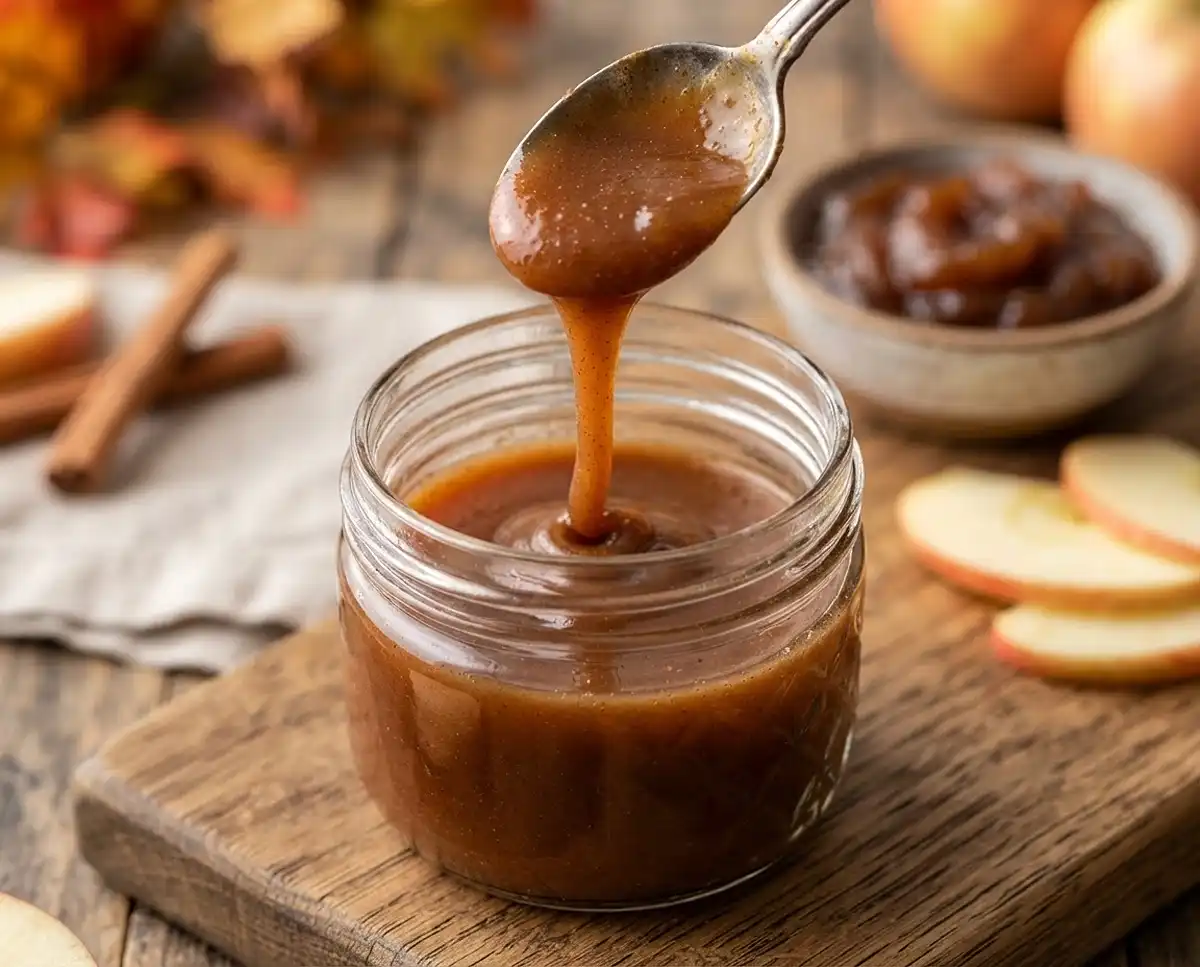
Apple Butter Maple Vinaigrette
Apple butter maple vinaigrette is the kind of dressing that stops people mid-bite and makes them ask, “Wait, what IS this?” It’s warm, silky, and deeply flavored — equal parts tangy and sweet with a whisper of cinnamon running through every drop.
I first made a version of this on a rainy September afternoon, trying to use up a batch of homemade apple butter before it took over my fridge. Honestly, I did not expect it to become my most-requested dressing of the entire fall season.
Whether you’re building a harvest bowl for a Thanksgiving potluck or meal prepping lunches for the week ahead, this dressing does the heavy lifting. It clings beautifully to kale, plays well with roasted squash, and makes even a simple green salad feel like something special.
Table of Contents
Ingredients
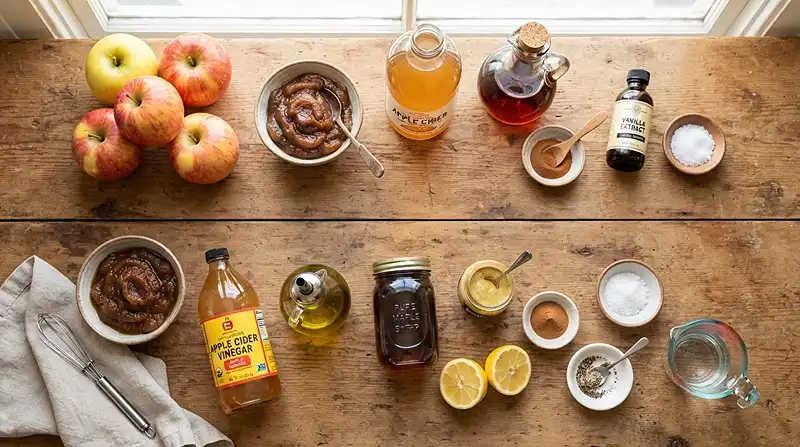
| Category | Ingredient | Amount | Notes |
|---|---|---|---|
| Apple Butter Base | Apples (Golden Delicious, Gala, McIntosh, Honeycrisp, or Cortland) | 4½ lbs | A mix of varieties adds complexity |
| Apple Butter Base | Apple cider | 1 cup | Unfiltered adds more flavor |
| Apple Butter Base | Pure maple syrup | ½ cup | Grade A dark for richer flavor |
| Apple Butter Base | Ground cinnamon | ½ tsp | Can add a pinch of clove too |
| Apple Butter Base | Vanilla extract | 1 tsp | Pure, not imitation |
| Apple Butter Base | Kosher salt | ¼ tsp | Balances the sweetness |
| Vinaigrette | Prepared apple butter | ½ cup | From above, or store-bought |
| Vinaigrette | Apple cider vinegar | ¼ cup | Raw unfiltered preferred |
| Vinaigrette | Extra-virgin olive oil | 3 tbsp | A mild, fruity one works best |
| Vinaigrette | Pure maple syrup | 2 tbsp | Adjust to your sweetness preference |
| Vinaigrette | Dijon mustard | 1 tbsp | Acts as an emulsifier |
| Vinaigrette | Fresh lemon juice | 1 tbsp | Brightens the whole dressing |
| Vinaigrette | Ground cinnamon | ¼ tsp | Echoes the apple butter warmth |
| Vinaigrette | Kosher salt | ¼ tsp | Start here, adjust to taste |
| Vinaigrette | Freshly cracked black pepper | ¼ tsp | Don’t skip this — it adds life |
| Vinaigrette | Water | 2–3 tbsp | Add gradually to thin consistency |
Instructions
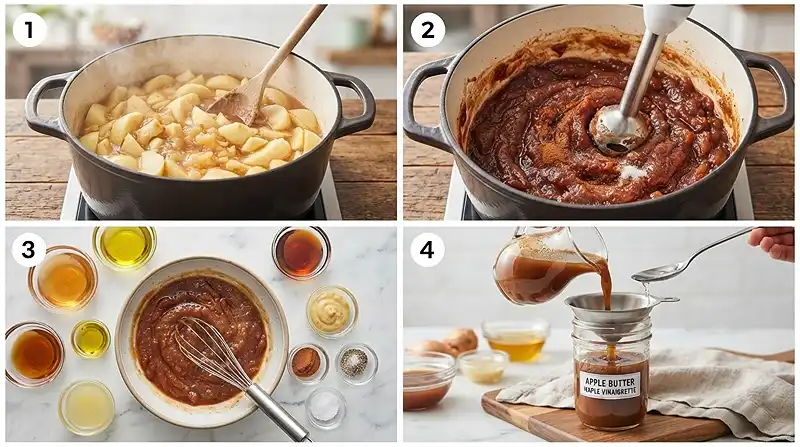
Make the Apple Butter
Step 1: Prep the apples. Peel, core, and cut the apples into roughly ½-inch pieces. Add them to a large heavy-bottomed pot with the apple cider. The pieces don’t need to be perfect — they’re all getting mashed down anyway.
Step 2: Cook until soft. Set the heat to medium and cook for about 30 minutes, stirring frequently. Use a wooden spoon or potato masher to break down the apples as they soften and release their juices. You’ll notice the kitchen filling with that gorgeous, cidery apple aroma.
Cook Until Caramelized
Step 3: Add maple and slow things down. Stir in the maple syrup, then reduce the heat to low. Cover the pot and cook for 3 to 4 hours, stirring every 20 to 30 minutes. This is where the magic happens — the mixture transforms from chunky applesauce into something dark, jammy, and intensely concentrated.
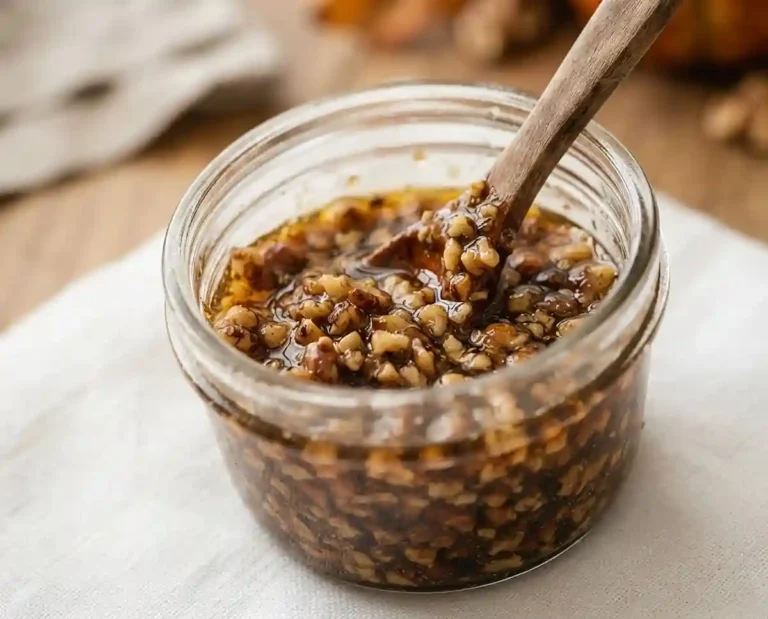
Step 4: Watch for color. In my testing, I found the depth of color is your best cue. You’re looking for a deep mahogany brown, like a rich caramel sauce. If it’s still pale orange after 3 hours, give it another 30 minutes uncovered.
Season and Blend
Step 5: Season the butter. Stir in the cinnamon, vanilla, and salt. Taste it — it should be warmly spiced but not overwhelming. If the mixture still seems too loose and watery, cook uncovered for another 10 to 20 minutes, stirring constantly to prevent scorching on the bottom.
Step 6: Blend smooth. Use an immersion blender directly in the pot (or transfer carefully to a stand blender) and blend until the apple butter is completely silky. After making this dozens of times, I can tell you the immersion blender is your easiest path here. Let the apple butter cool completely before measuring for the vinaigrette.
Make the Vinaigrette
Step 7: Combine the base. Add ½ cup of the cooled apple butter to a medium bowl or blender. Add the apple cider vinegar, olive oil, maple syrup, Dijon mustard, lemon juice, cinnamon, salt, and black pepper all at once.
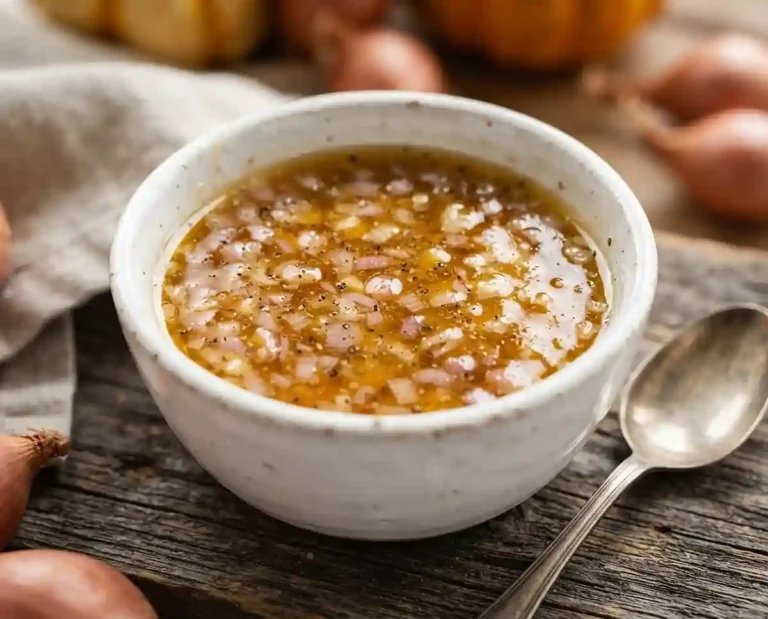
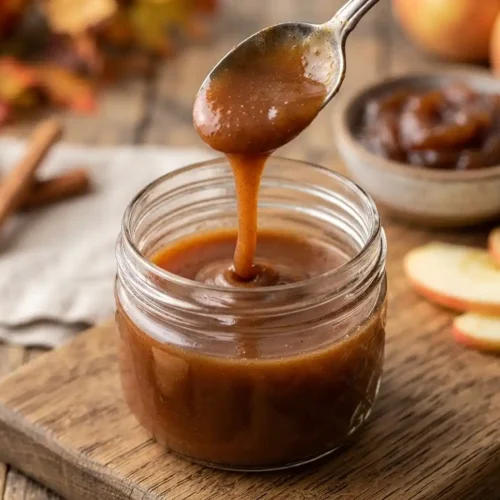
Step 8: Emulsify. Whisk vigorously for about 60 seconds, or blend on medium speed, until the dressing looks smooth and slightly thickened. The Dijon does the work of holding everything together. It should pour like warm honey, thick and glossy.
Adjust the Consistency
Step 9: Thin to your preference. Add water one tablespoon at a time, whisking after each addition, until the vinaigrette flows easily off a spoon. Two tablespoons is usually right for a pourable drizzle; three gives you something closer to a light dressing for leafy greens.
Step 10: Taste and serve. Give it a final taste and adjust — more vinegar if you want it brighter, more maple if you prefer it sweeter. Drizzle generously over salads with apples, roasted squash, kale, pecans, dried cranberries, crumbled feta, or goat cheese. Try it over our apple radicchio Parmesan salad for a stunning autumn plate.
Substitutions and Variations
Short on time? Store-bought apple butter works just fine in the vinaigrette — look for one that’s unsweetened so you can control the sugar level yourself. Brands with a short ingredient list (just apples and spices) taste closest to homemade.
For a vegan version, the recipe is already plant-based as written. Just double-check your Dijon label, since some brands include honey.
Want more protein in your salad? Pair this dressing with a hearty bowl like our Greek turkey pepperoncini salad — the tangy, savory notes balance the sweetness beautifully.
Swap the olive oil for avocado oil if you want a more neutral base. And if apple cider vinegar is too sharp for your palate, a mild white wine vinegar makes a gentler substitute.
Expert Tips and Troubleshooting
The most common issue with homemade apple butter is scorching. In my testing, I found that a heavy-bottomed pot (like a Dutch oven) distributes heat much more evenly than a thin saucepan. If you smell anything burning, pull it off the heat immediately and stir vigorously from the bottom.
If your vinaigrette separates in the jar, don’t panic — just shake it hard for 15 seconds or whisk again briefly. The Dijon mustard acts as a natural emulsifier, but it may need help after sitting. According to Serious Eats’ science of vinaigrettes, mustard’s lecithin content is what keeps oil and vinegar from fully splitting apart.
For the smoothest dressing, make sure your apple butter is fully cooled before blending with the other ingredients. Warm apple butter can cause the olive oil to behave differently and produce a slightly greasy texture.
Storage and Meal Prep
| Component | Storage Method | Duration |
|---|---|---|
| Homemade Apple Butter | Airtight jar in refrigerator | Up to 3 weeks |
| Apple Butter Maple Vinaigrette | Sealed jar in refrigerator | Up to 10 days |
| Dressed Salad | Keep dressing separate until serving | Greens last 3–4 days undressed |
This dressing is one of the best make-ahead apple butter maple options for September salads and meal prep lunches all season long. Make a full batch of apple butter on Sunday, blend a jar of vinaigrette, and you’re set for the week.
The leftover apple butter is also fantastic swirled into oatmeal, spread on toast, or stirred into yogurt. Nothing goes to waste.
Serving Suggestions
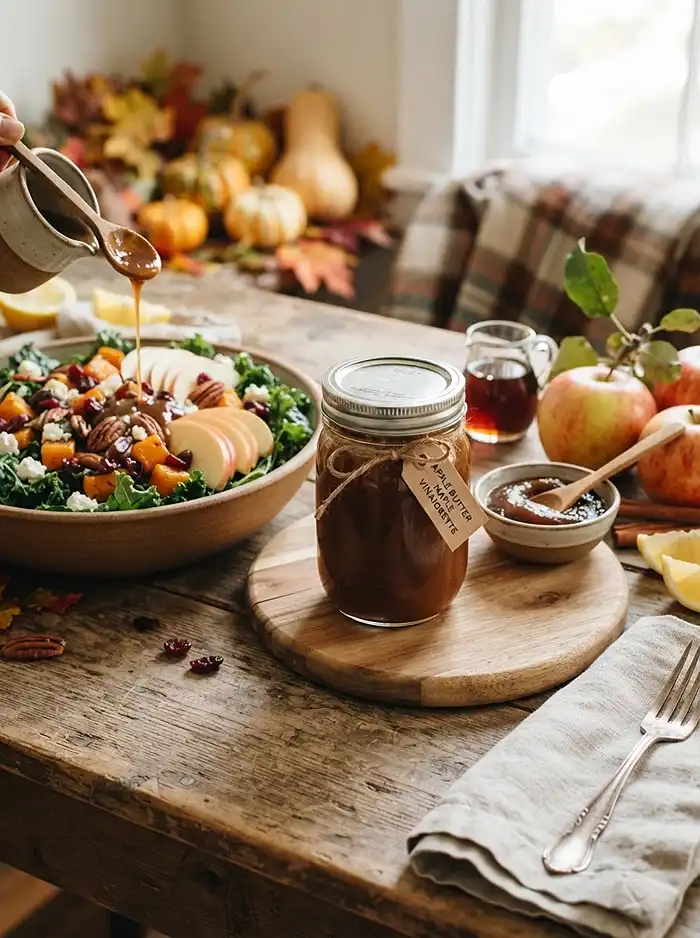
This dressing was made for fall produce. Pile it over mixed greens with thinly sliced Honeycrisp apples, roasted butternut squash, toasted pecans, and crumbled goat cheese for a showstopper autumn salad. It also works brilliantly on a hearty grain bowl with farro or wild rice.
For something lighter and crunchier, pair it with our roasted corn romaine crunch salad — the sweetness of the dressing plays off the charred corn in a genuinely surprising way.
Apple Butter Maple Vinaigrette FAQs
Can I use store-bought apple butter instead of making it from scratch?
Yes, store-bought apple butter works well in this vinaigrette. Choose an unsweetened variety with a short ingredient list so you can control the sweetness. You’ll need only half a cup, so a small jar goes a long way.
How long does apple butter maple vinaigrette keep in the fridge?
Stored in a sealed jar, this dressing keeps for up to 10 days in the refrigerator. Give it a good shake or whisk before each use, as the oil and vinegar may separate slightly over time.
What salads pair best with this dressing?
This vinaigrette shines on autumn salads with kale, arugula, or mixed greens, especially when paired with apples, roasted squash, pecans, cranberries, feta, or goat cheese. It also works beautifully on grain bowls with farro or wild rice.
Why is my vinaigrette too thick or too thin?
Thickness depends on your apple butter — some brands are denser than others. Add water one tablespoon at a time to thin it out, or whisk in a touch more apple butter to thicken it. The goal is a pourable consistency that coats the back of a spoon.
Best way to make apple butter without scorching it?
Use a heavy-bottomed pot like a Dutch oven and keep the heat on low once you add the maple syrup. Stir every 20 to 30 minutes and watch for darkening around the edges of the pot, which signals the bottom is getting too hot. A wooden spoon that can scrape the bottom is essential.
Conclusion
Seriously, once you’ve tasted this apple butter maple vinaigrette on a fall salad, bottled dressing just won’t cut it anymore. It’s a small effort that pays off all season long.
Save this recipe to Pinterest so it’s ready when apple season hits, and drop a comment below to tell me what salad you dressed first. I’d love to hear how it turned out.
Apple Butter Maple Vinaigrette
Equipment
- Large heavy-bottomed pot
- Wooden spoon
- Potato masher
- Immersion blender
- Medium bowl or blender
- Whisk
- Airtight Jar
Ingredients
Apple Butter Base
- 4½ lbs Apples Golden Delicious, Gala, McIntosh, Honeycrisp, or Cortland; a mix of varieties adds complexity
- 1 cup Apple cider Unfiltered adds more flavor
- ½ cup Pure maple syrup Grade A dark for richer flavor
- ½ tsp Ground cinnamon Can add a pinch of clove too
- 1 tsp Vanilla extract Pure, not imitation
- ¼ tsp Kosher salt Balances the sweetness
Vinaigrette
- ½ cup Prepared apple butter From above, or store-bought
- ¼ cup Apple cider vinegar Raw unfiltered preferred
- 3 tbsp Extra-virgin olive oil A mild, fruity one works best
- 2 tbsp Pure maple syrup Adjust to your sweetness preference
- 1 tbsp Dijon mustard Acts as an emulsifier
- 1 tbsp Fresh lemon juice Brightens the whole dressing
- ¼ tsp Ground cinnamon Echoes the apple butter warmth
- ¼ tsp Kosher salt Start here, adjust to taste
- ¼ tsp Freshly cracked black pepper Adds life to the dressing
- 2–3 tbsp Water Add gradually to thin consistency
Instructions
- Peel, core, and cut the apples into roughly ½-inch pieces. Add them to a large heavy-bottomed pot with the apple cider.
- Cook the apples over medium heat for about 30 minutes, stirring frequently. Use a wooden spoon or potato masher to break them down as they soften and release their juices.
- Stir in the maple syrup, reduce the heat to low, cover, and cook for 3 to 4 hours, stirring every 20 to 30 minutes, until the apples become dark, jammy, and concentrated.
- Continue cooking until the apple butter reaches a deep mahogany-brown color. If it remains pale after 3 hours, cook uncovered for another 30 minutes, watching carefully to prevent scorching.
- Stir in the cinnamon, vanilla, and salt. If the apple butter is still loose or watery, cook uncovered for another 10 to 20 minutes, stirring constantly.
- Blend the apple butter with an immersion blender until completely smooth and silky. Cool completely before measuring for the vinaigrette.
- Add ½ cup cooled apple butter to a medium bowl or blender. Add the apple cider vinegar, olive oil, maple syrup, Dijon mustard, lemon juice, cinnamon, salt, and black pepper.
- Whisk vigorously for about 60 seconds, or blend on medium speed, until smooth and slightly thickened.
- Add water one tablespoon at a time, whisking after each addition, until the vinaigrette reaches a pourable consistency. Two tablespoons is usually suitable for a drizzle, while three tablespoons creates a lighter dressing for leafy greens.
- Taste and adjust with more vinegar for brightness or more maple syrup for sweetness. Serve over salads with apples, roasted squash, kale, pecans, dried cranberries, feta, or goat cheese.