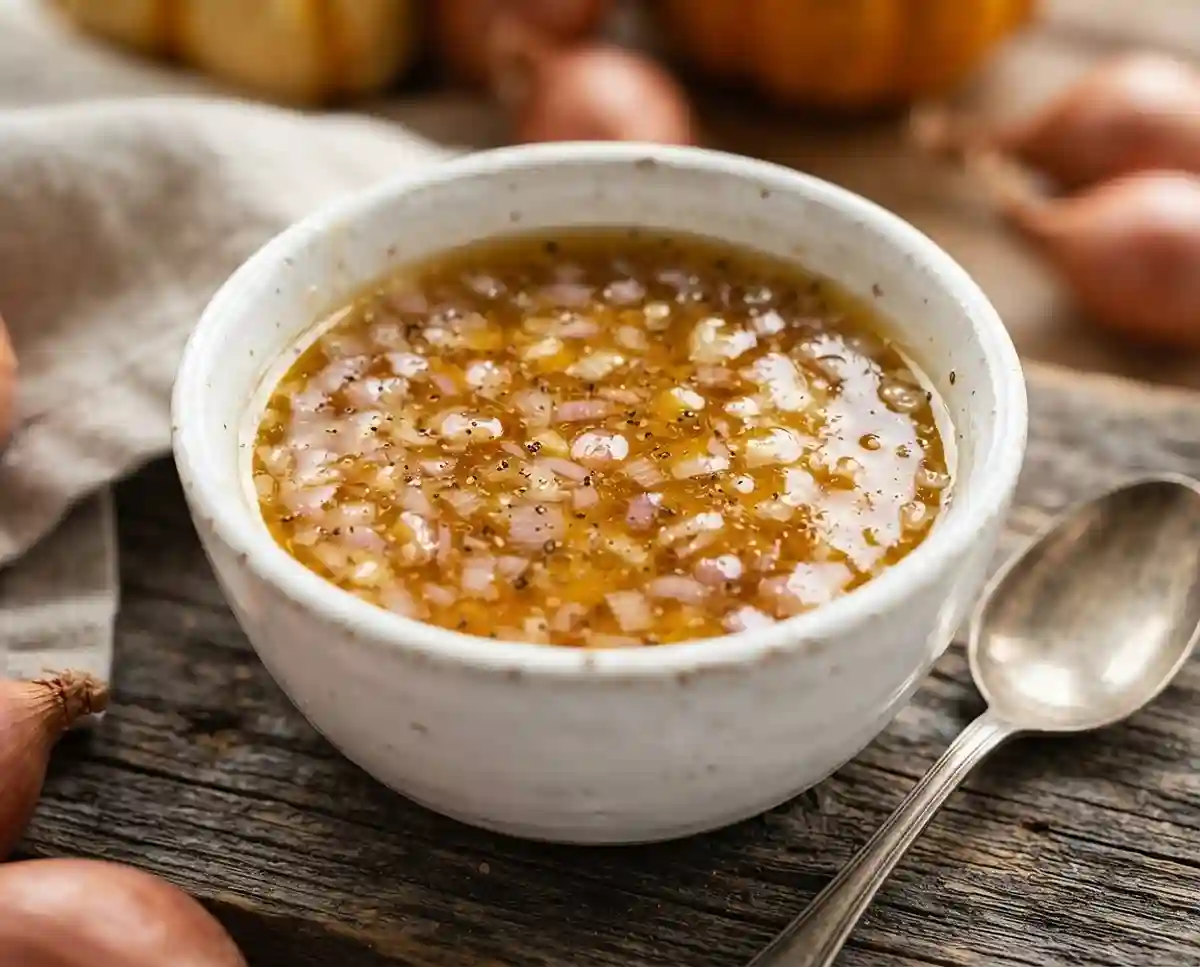
Maple Cider Shallot Dressing
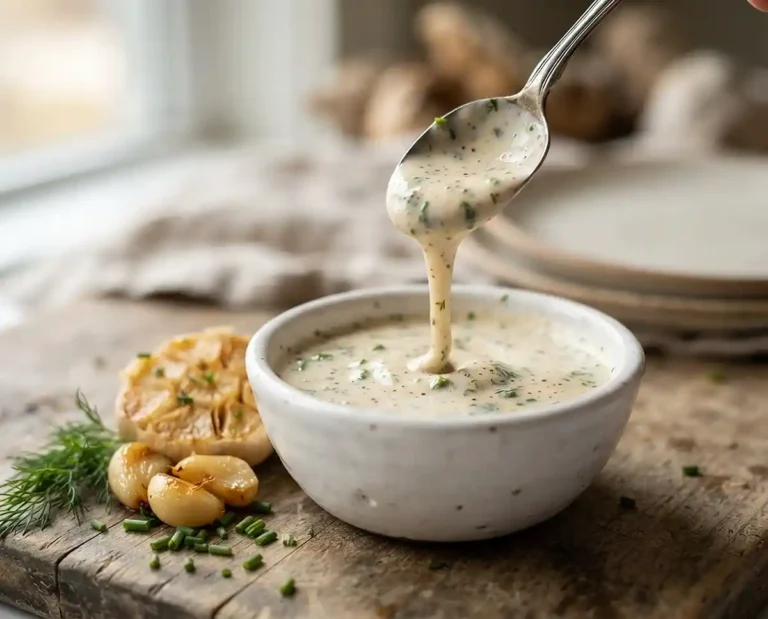
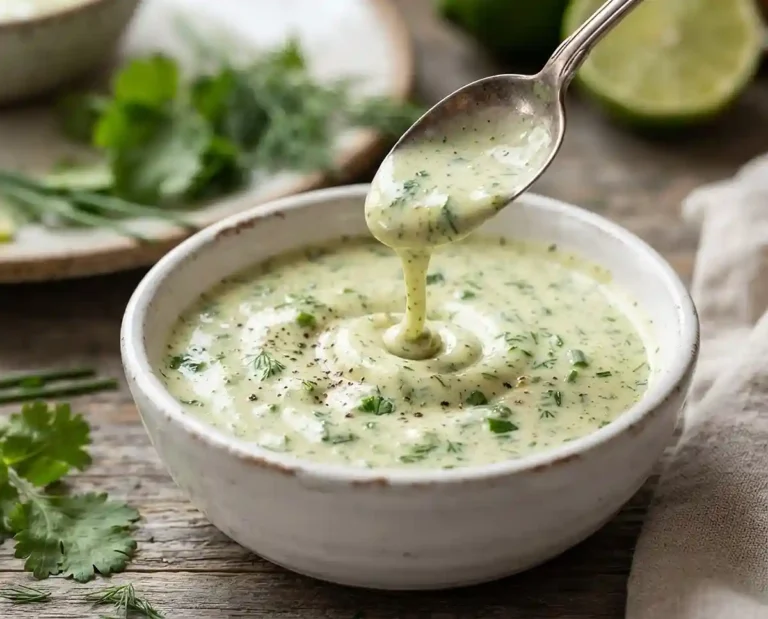
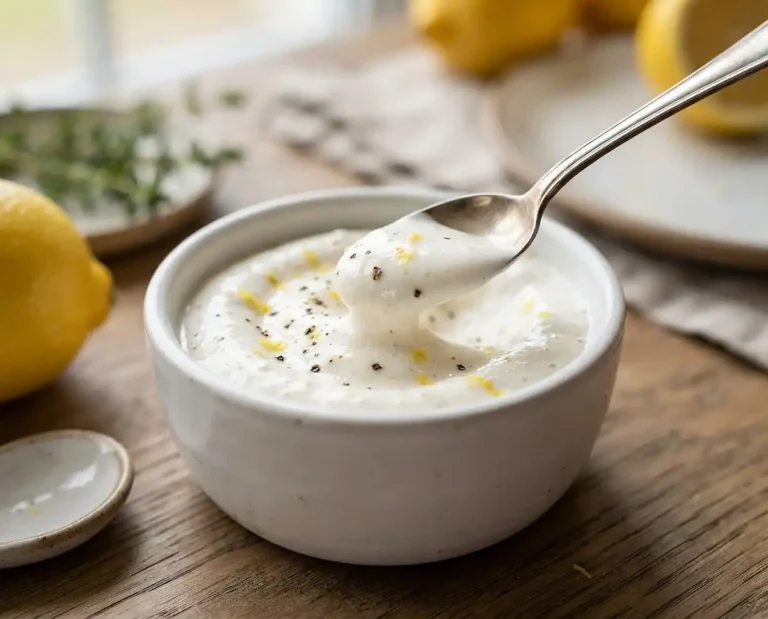
This maple cider shallot dressing is the kind of recipe that sneaks into your weekly rotation and never leaves. It’s tangy, faintly sweet, and rounded with a gentle sharpness from fresh shallot that store-bought bottles simply can’t match.
Honestly, I started making this on a whim one October afternoon when I needed something fast for a Friendsgiving potluck spread. The smell when the shallot hits the vinegar? Pure autumn in a jar.
Why reach for the bottle when you can shake this together in five minutes flat? Every ingredient plays a real role, and the result is a dressing that makes even the simplest greens taste like you planned them.
Table of Contents
Ingredients
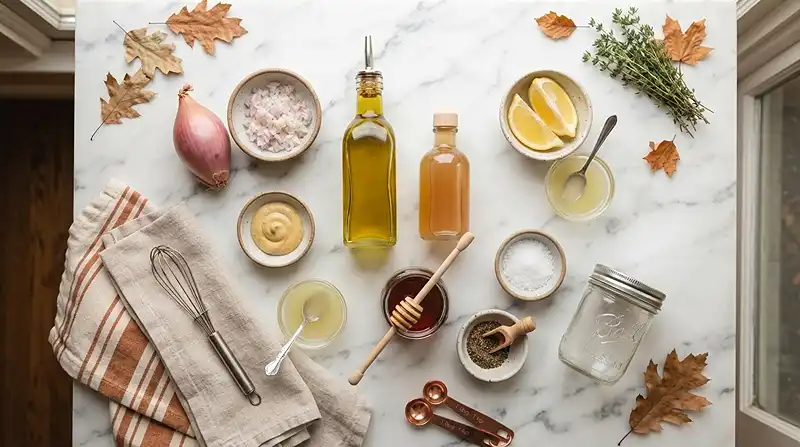
This recipe makes about 3/4 cup of dressing, enough for four to five generous salad servings.
| Category | Ingredient | Amount | Notes |
|---|---|---|---|
| Base | Extra-virgin olive oil | 1/4 cup | A good-quality oil matters here |
| Acid | Apple cider vinegar | 3 tbsp | Raw, unfiltered for deeper flavor |
| Sweetener | Pure maple syrup | 1 tbsp | Grade A or B both work well |
| Aromatics | Shallot, finely minced | 1 tbsp | About half a small shallot |
| Emulsifier | Dijon mustard | 1 tsp | Whole-grain works as a swap |
| Brightness | Fresh lemon juice | 1/2 tsp | Bottled lemon is a fine substitute |
| Seasoning | Kosher salt | 1/4 tsp | Add more to taste at the end |
| Seasoning | Freshly ground black pepper | 1/4 tsp | Pre-ground works in a pinch |
Instructions
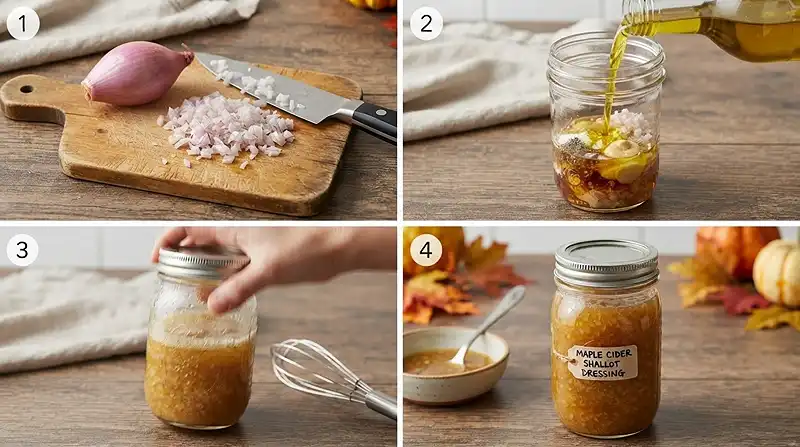
Step 1 — Combine the ingredients. Add the olive oil, apple cider vinegar, maple syrup, minced shallot, Dijon mustard, lemon juice, salt, and black pepper to a small bowl or a jar with a tight-fitting lid.
Step 2 — Whisk or shake. If using a bowl, whisk vigorously for about 30 seconds until the dressing looks creamy and unified. If using a jar, seal it and shake hard for 15 to 20 seconds. It should go from streaky to silky, almost like a light vinaigrette.
Step 3 — Let it rest. Allow the dressing to sit for 5 to 10 minutes before using. This brief pause lets the shallot mellow from sharp and raw to something softer and more savory.
Step 4 — Taste and adjust. Dip a clean spoon or a leaf of lettuce and taste honestly. Add more maple syrup if you want more sweetness, a splash more vinegar for extra tang, or a drizzle more olive oil to calm the acidity.
Substitutions and Variations
For a vegan version, this dressing is already plant-based as written. Just confirm your Dijon brand contains no added honey, which some specialty varieties include.
Swap the shallot for a small clove of finely grated garlic if you want something punchier. In my testing, I found garlic gives a more assertive flavor while shallot stays subtle and sweet.
For a creamy cider shallot twist, whisk in one tablespoon of plain Greek yogurt or tahini. The texture shifts beautifully and clings to hearty fall greens like kale or radicchio.
If you’re out of maple syrup, raw honey is a one-to-one swap and keeps the same warm, rounded sweetness. It makes a slightly thicker dressing that’s wonderful for fall lunch salads loaded with roasted squash.
Expert Tips and Troubleshooting
After making this dozens of times, the single biggest tip I can offer is to mince the shallot as fine as possible. Large pieces stay sharp and can overpower a delicate green. Think confetti-fine, not chopped.
If your dressing separates after sitting in the fridge, that’s normal. Just shake the jar or give it a quick whisk before pouring. The Dijon acts as an emulsifier but won’t hold everything together indefinitely.
Bland dressing is almost always a salt problem. Add a small pinch, whisk, and taste again before adding more vinegar. According to Serious Eats’ vinaigrette guide, under-salting is the most common reason homemade dressings fall flat.
If the dressing tastes too sharp right after mixing, give it another five minutes. The rest time genuinely changes the flavor as the shallot softens into the vinegar.
Storage and Meal Prep
This dressing is a fantastic make-ahead maple cider shallot recipe for weeknight dinner salads. Make a batch on Sunday and your salads are halfway done all week.
| Component | Storage Method | Duration |
|---|---|---|
| Maple Cider Shallot Dressing | Sealed jar in refrigerator | Up to 1 week |
| Dressed salad | Not recommended | Eat immediately |
| Prepped greens (undressed) | Airtight container | 3 to 4 days |
Keep the dressing and greens separate until the moment you serve. Dressed leaves wilt within an hour, especially delicate ones like arugula or butter lettuce.
The olive oil will solidify slightly when cold. Pull the jar out 10 minutes before you need it, or run it under warm water for 30 seconds to loosen everything back up.
Serving Suggestions
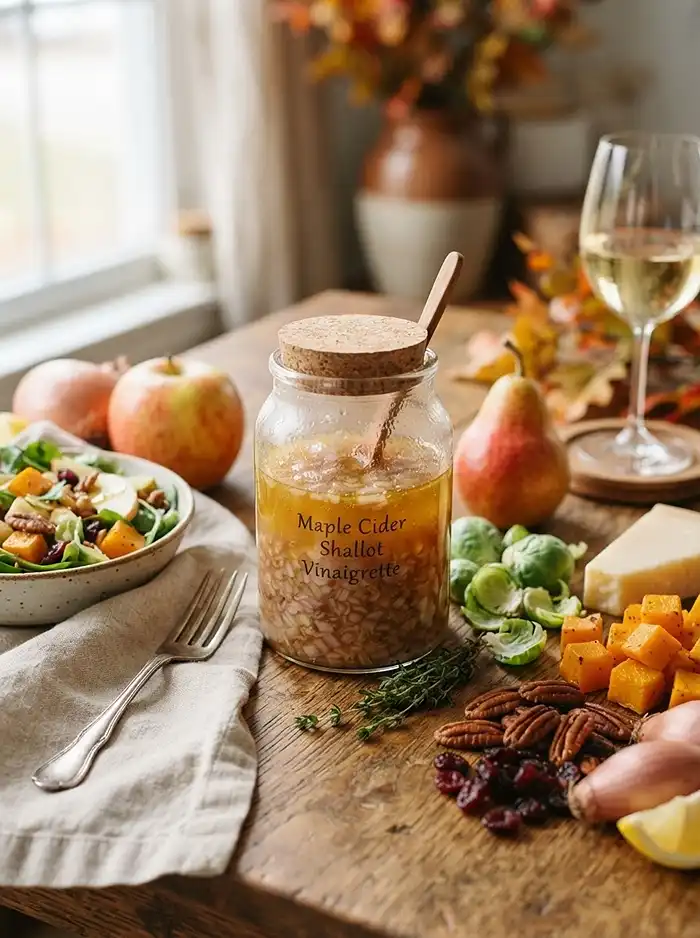
This dressing is right at home on a crisp autumn salad. Try it drizzled over the maple pear pecorino ribbon salad, where the sweet-tangy notes echo the fruit and aged cheese beautifully.
It’s equally good on hearty grain bowls with roasted root vegetables or tossed through the butternut squash feta farfalle salad for a fast weeknight dinner. The dressing clings to pasta just as well as it does to leaves.
For something more filling, spoon it over the hot honey turkey harvest chop salad. The savory heat from that recipe plays perfectly against the maple’s sweetness in this dressing.
Maple Cider Shallot Dressing FAQs
Can I make this dressing ahead of time?
Yes, this dressing keeps well for up to one week in a sealed jar in the refrigerator. It actually improves after a day as the shallot mellows further into the vinegar. Just shake or whisk before using.
How do I keep the dressing from separating?
Add the Dijon mustard as directed since it acts as a natural emulsifier. If separation happens after refrigerating, a quick 15-second shake brings it back together instantly.
What salads work best with maple cider shallot dressing?
This dressing shines on fall greens like spinach, arugula, and mixed leaves. It also pairs beautifully with roasted vegetables, grain bowls, and hearty chop salads with apples, nuts, or squash.
Can I substitute red wine vinegar for the apple cider vinegar?
You can, but it changes the flavor profile noticeably. Apple cider vinegar brings a fruity, mellow tang that complements the maple. Red wine vinegar is sharper and more savory, so the dressing will taste less autumnal.
Why does my dressing taste too sharp?
Sharpness usually means you need either more salt or more resting time. Let the dressing sit for an extra five minutes, then taste again before adding more maple syrup or oil to balance.
Make a Jar This Week
Well, there you have it — a maple cider shallot dressing that earns its spot in your fridge every single week of fall. Five minutes, one jar, and your salads will never feel like an afterthought again.
If you try it, drop a comment below and tell me what you put it on first. And if you’re saving it for later, pin it to your fall recipes board so it’s ready when you need it.
Maple Cider Shallot Dressing
Equipment
- Small bowl
- Whisk
- Jar with tight-fitting lid
Ingredients
Base
- ¼ cup Extra-virgin olive oil A good-quality oil matters here
Acid
- 3 tbsp Apple cider vinegar Raw, unfiltered for deeper flavor
Sweetener
- 1 tbsp Pure maple syrup Grade A or B both work well
Aromatics
- 1 tbsp Shallot, finely minced About half a small shallot
Emulsifier
- 1 tsp Dijon mustard Whole-grain works as a swap
Brightness
- ½ tsp Fresh lemon juice Bottled lemon is a fine substitute
Seasoning
- ¼ tsp Kosher salt Add more to taste at the end
- ¼ tsp Freshly ground black pepper Pre-ground works in a pinch
Instructions
- Step 1 — Combine the ingredients. Add the olive oil, apple cider vinegar, maple syrup, minced shallot, Dijon mustard, lemon juice, salt, and black pepper to a small bowl or a jar with a tight-fitting lid.
- Step 2 — Whisk or shake. If using a bowl, whisk vigorously for about 30 seconds until the dressing looks creamy and unified. If using a jar, seal it and shake hard for 15 to 20 seconds until silky and combined.
- Step 3 — Let it rest. Allow the dressing to sit for 5 to 10 minutes before using. This brief rest lets the shallot mellow and the flavors blend.
- Step 4 — Taste and adjust. Taste the dressing and add more maple syrup for sweetness, a splash more vinegar for tang, or a drizzle more olive oil to soften the acidity.