Seaweed Salad Recipe
This seaweed salad brings ocean-fresh flavors to your table in 25 minutes. Simple Japanese wakame with sesame-miso dressing everyone loves!
You know that moment when you’re craving something light, refreshing, and totally different from your usual lunch routine? That’s exactly how I felt last Memorial Day when I served this seaweed salad alongside grilled salmon, and my family couldn’t stop reaching for seconds. The briny, ocean-kissed flavor paired with nutty sesame creates something magical that feels restaurant-special but comes together in your own kitchen.
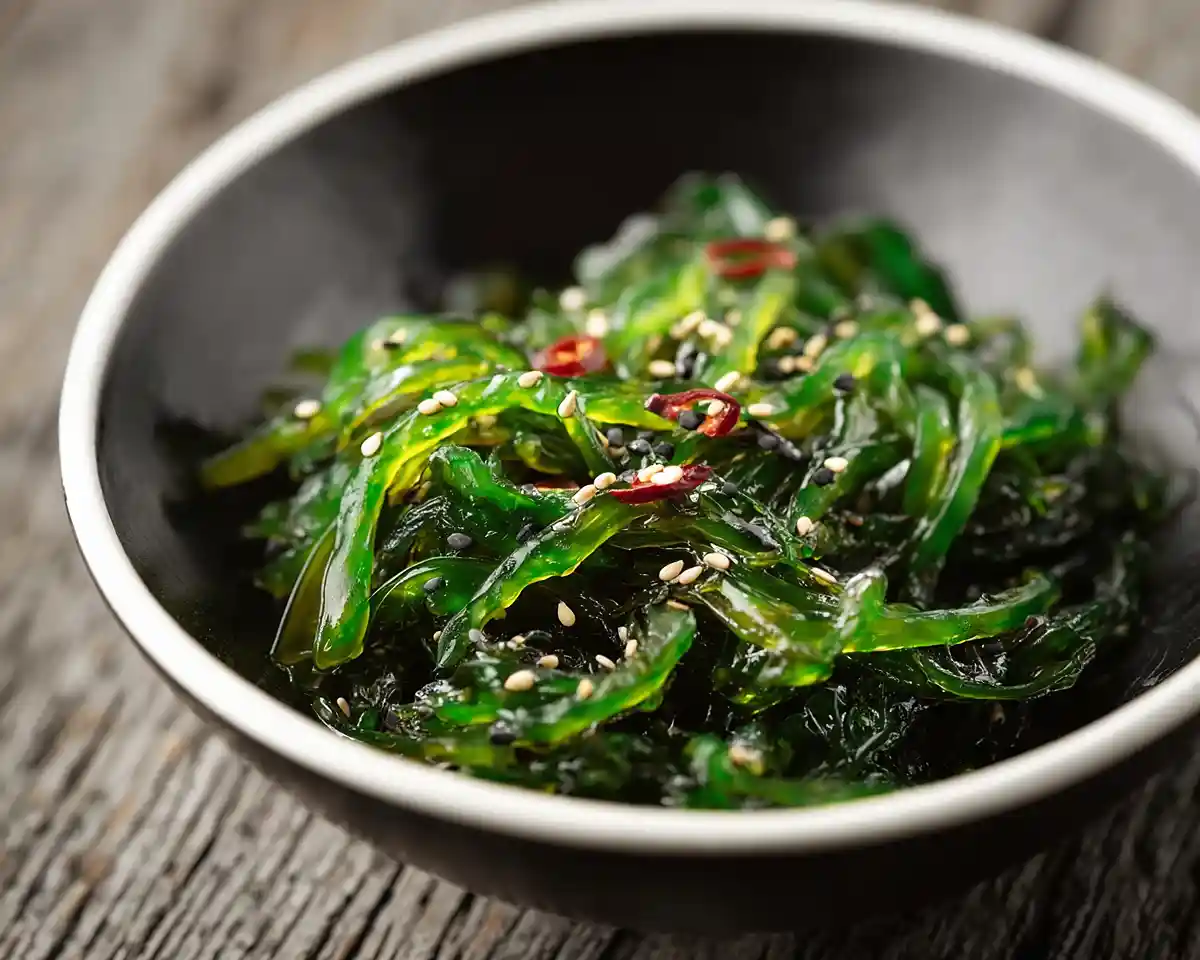
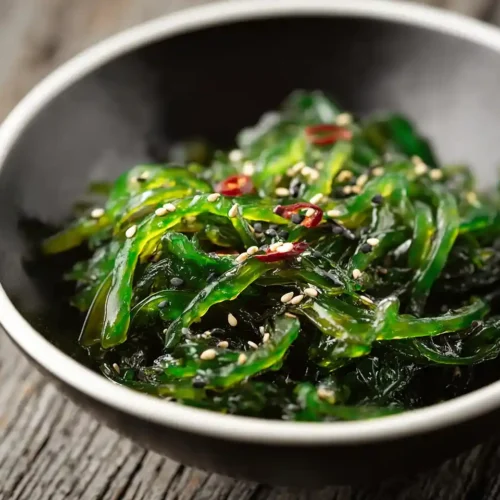
This seaweed salad recipe transforms humble dried seaweed into a vibrant side dish that’s as gorgeous as it is nourishing. The jade-green ribbons glisten with a glossy dressing, each bite delivering that satisfying chew and a burst of umami that makes your taste buds dance.
What makes this Japanese seaweed salad so brilliant for busy weeknights? Well, most of the “cooking” is just soaking—the seaweed does its own thing while you whisk together a quick dressing. No heat required, no complicated techniques, just fresh flavors that transport you straight to your favorite sushi spot.
Table of Contents
Seaweed Salad Recipe
Equipment
- Medium bowl
- Small bowl
- Whisk
- Fine-mesh strainer
- Serving bowl
Ingredients
- 50 g dried seaweed/sea vegetable salad wakame or sea vegetable mix
- 1 tbsp awase miso
- 1 tbsp soy sauce
- 1 tbsp mirin
- 1 tbsp white roasted sesame seeds plus extra for garnish
- 1 tbsp sesame oil
- 1 tsp rice vinegar
- 1 tsp yuzu juice
- 1 red chilli finely sliced
- 1 pinch sea salt
Instructions
- Place your dried seaweed in a medium bowl and cover completely with cool water. Let it soak for twenty minutes—you’ll watch it transform from brittle flakes into silky, emerald ribbons that expand like magic. You can use a pre-mixed sea vegetable salad blend, or combine wakame and hijiki seaweed for varied texture. The seaweed will triple in size, becoming as supple as silk ribbon.
- Combine the miso, soy sauce, mirin, sesame seeds, sesame oil, rice vinegar, yuzu juice, sliced chilli, and a pinch of salt in a small bowl. Whisk everything together until the miso dissolves completely and the dressing becomes smooth and glossy. The aroma should be intoxicating—nutty, tangy, and savory all at once, with that bright citrus note from the yuzu cutting through beautifully.
- Drain the rehydrated seaweed thoroughly in a fine-mesh strainer, gently pressing out excess water. If you’re using whole wakame leaves, slice them into bite-sized pieces about two inches long. Transfer the seaweed to a serving bowl, pour the dressing over top, and toss gently to coat every ribbon. Sprinkle additional sesame seeds over the surface for a gorgeous finish, then cover and refrigerate for at least fifteen minutes before serving to let those flavors meld together.
Notes
Ingredients

| Ingredient | Amount |
|---|---|
| Dried seaweed/sea vegetable salad | 50g |
| Awase miso | 1 tbsp |
| Soy sauce | 1 tbsp |
| Mirin | 1 tbsp |
| White roasted sesame seeds | 1 tbsp (plus extra for garnish) |
| Sesame oil | 1 tbsp |
| Rice vinegar | 1 tsp |
| Yuzu juice | 1 tsp |
| Red chilli, finely sliced | 1 |
| Sea salt | Pinch |
Instructions
Step 1: Rehydrate the Seaweed
Place your dried seaweed in a medium bowl and cover completely with cool water. Let it soak for twenty minutes—you’ll watch it transform from brittle flakes into silky, emerald ribbons that expand like magic. You can use a pre-mixed sea vegetable salad blend, or combine wakame and hijiki seaweed for varied texture. The seaweed will triple in size, becoming as supple as silk ribbon.
Step 2: Prepare the Dressing
Combine the miso, soy sauce, mirin, sesame seeds, sesame oil, rice vinegar, yuzu juice, sliced chilli, and a pinch of salt in a small bowl. Whisk everything together until the miso dissolves completely and the dressing becomes smooth and glossy. The aroma should be intoxicating—nutty, tangy, and savory all at once, with that bright citrus note from the yuzu cutting through beautifully.
Step 3: Assemble and Chill
Drain the rehydrated seaweed thoroughly in a fine-mesh strainer, gently pressing out excess water. If you’re using whole wakame leaves, slice them into bite-sized pieces about two inches long. Transfer the seaweed to a serving bowl, pour the dressing over top, and toss gently to coat every ribbon. Sprinkle additional sesame seeds over the surface for a gorgeous finish, then cover and refrigerate for at least fifteen minutes before serving to let those flavors meld together.

Substitutions
No yuzu juice? Fresh lemon or lime juice works beautifully in this wakame seaweed salad, though yuzu adds that distinctive floral-citrus note that’s hard to replicate. Use the same amount and expect a slightly brighter, more straightforward citrus flavor.
Miso alternatives: If awase miso isn’t in your pantry, white (shiro) miso makes an excellent substitute with a slightly sweeter profile. Red miso will create a deeper, saltier dressing—just reduce the soy sauce by half a teaspoon to balance the sodium.
Sesame oil swap: Toasted sesame oil is key for that authentic nutty flavor, but in a pinch, a neutral oil mixed with a quarter teaspoon of tahini approximates the taste. The sesame seeds in the dressing still provide plenty of that characteristic flavor.
Heat level adjustment: Leave out the chilli entirely for a mild version, or add a dash of togarashi (Japanese seven-spice) for a spicy seaweed salad with complex heat. Sriracha works too, though it’ll shift the flavor profile slightly toward garlic.
Troubleshooting
Seaweed too chewy or tough? You may not have soaked it long enough—give it the full twenty minutes, or even twenty-five for particularly thick varieties. The texture should be tender with a pleasant bite, never rubbery or difficult to chew.
Dressing too thick? Thin it out with a teaspoon of water or additional rice vinegar until it reaches a pourable consistency. The dressing should coat the seaweed ribbons without clumping at the bottom of the bowl.
Watery salad after chilling? Seaweed releases liquid as it sits, especially if not drained thoroughly. Always press gently with paper towels or let it drain for a few extra minutes in the strainer. You can also drain off excess liquid before serving and give it a quick toss.
Flavor tastes flat? This Japanese seaweed salad relies on balanced umami—add a splash more soy sauce or a pinch of salt to wake everything up. Sometimes the sesame oil needs a boost too; a few extra drops transform the whole dish.
Storage and Meal Prep
Store your seaweed salad in an airtight container in the refrigerator for up to three days. The flavors actually deepen overnight as the seaweed marinates in the dressing, making it even more delicious the next day. Just give it a quick stir before serving since the dressing may settle.
For meal prep, keep the rehydrated, drained seaweed separate from the dressing in the fridge for up to four days. Toss them together right before eating to maintain the best texture. The dressing itself keeps beautifully for a week, so you can make a double batch for quick salad assembly throughout the week.
Serving Suggestions
This seaweed salad shines as a refreshing side dish alongside grilled fish, protein-packed sushi bowls, or simple steamed rice with teriyaki chicken. I love serving it at summer barbecues—it’s that perfect cool, light contrast to heavier grilled foods that everyone appreciates. Pair it with edamame, miso soup, or Asian-inspired crunch salads for a complete Japanese-style meal that feels both nourishing and special.
Seaweed Salad Recipe Variations
Kid-Friendly Version: Omit the chilli and reduce the miso to two teaspoons for a milder flavor that’s less salty. Kids often love the “mermaid salad” presentation—the glossy green ribbons look magical on their plates, especially with extra sesame seeds sprinkled on top.
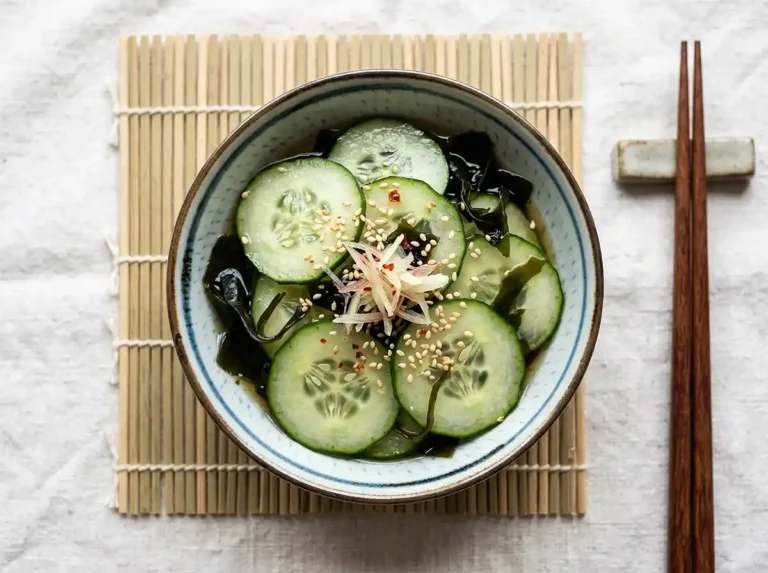
Cucumber Wakame Combo: Add thinly sliced cucumber for extra crunch and freshness. The cool cucumber balances the rich sesame flavors beautifully and stretches the salad to serve more people. This is my go-to variation for potlucks.
Protein Boost: Top your seaweed salad with shredded crab, cooked shrimp, or thin strips of tamagoyaki (Japanese omelet) for a more substantial dish. The seafood pairing feels natural given the ocean origins of the star ingredient.
Ginger Twist: Add a half teaspoon of freshly grated ginger to the dressing for a zingy warmth that cuts through the richness. Oh, this variation is especially wonderful served alongside fresh summer potato salads at outdoor gatherings.
Seaweed Salad Recipe FAQs
What is seaweed salad made from?
Seaweed salad typically features wakame or a blend of sea vegetables like hijiki and agar that are rehydrated and dressed. The base is always edible seaweed harvested from ocean waters, then dried for preservation. This recipe uses a sea vegetable salad mix or wakame, both readily available at Asian markets or well-stocked grocery stores.
Is seaweed salad good for you?
Yes, seaweed salad is incredibly nutritious! It’s packed with iodine, calcium, iron, and vitamins A, C, and K while being naturally low in calories. According to research from the National Institutes of Health, seaweed is one of the best dietary sources of iodine, which supports healthy thyroid function. Plus, it contains beneficial compounds like fucoidan that support overall wellness.
What is the best way to eat seaweed salad?
Enjoy seaweed salad chilled as a refreshing side dish, appetizer, or light lunch component. It pairs beautifully with sushi, poke bowls, grilled fish, or rice dishes. Some people love it straight from the container as a quick snack—the umami-rich flavor is surprisingly satisfying on its own.
How many calories are in a bowl of seaweed salad?
A typical serving of seaweed salad (about one cup) contains roughly 70-90 calories, depending on the dressing. The seaweed itself is very low-calorie; most calories come from the sesame oil and seeds in the dressing. It’s a wonderfully light option when you want something flavorful without feeling heavy.
Is seaweed a carb, fat, or protein?
Seaweed is primarily a source of carbohydrates, but it also contains small amounts of protein and virtually no fat. The carbs are mostly fiber, which supports digestive health. When dressed with sesame oil and seeds as in this recipe, you add healthy fats that help your body absorb the fat-soluble vitamins present in the seaweed.

This seaweed salad recipe brings authentic Japanese flavors to your weeknight table with minimal effort and maximum flavor. The combination of briny ocean taste, nutty sesame, and bright citrus creates something truly special that’ll have everyone asking for the recipe!