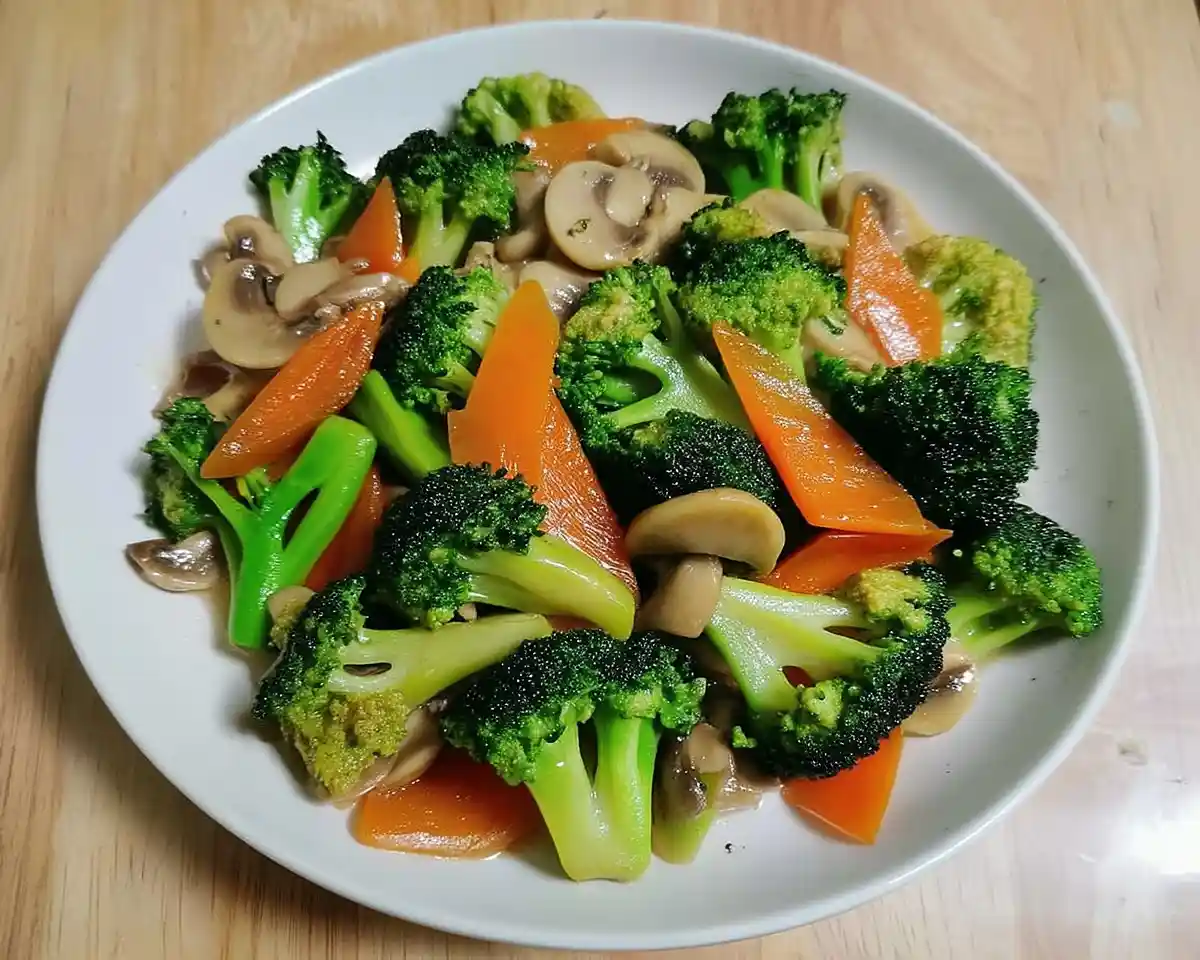
Sautéed Mushrooms with Broccoli
Learn how to make sautéed mushrooms with broccoli—a vibrant, restaurant-quality vegetable dish ready in 20 minutes. Perfect for healthy meals with rice or noodles.
There’s something magical about the moment when garlic and green onions hit hot oil and that first fragrant cloud rises from your pan—that’s when I know dinner is about to be something really special. Well, that’s exactly what happens when you make this sautéed mushrooms with broccoli recipe, a dish that transforms humble pantry staples into something that tastes like you’ve been cooking all afternoon.
I discovered this healthful plate of food with rice and vegetables while hunting for quick weeknight solutions that didn’t compromise on flavor or nutrition. The beautiful thing? You get restaurant-quality sautéed mushrooms and broccoli at home without any fuss, and it’s perfect whether you’re feeding a hungry family on Thanksgiving or just craving something wholesome on a random Tuesday.
Table of Contents
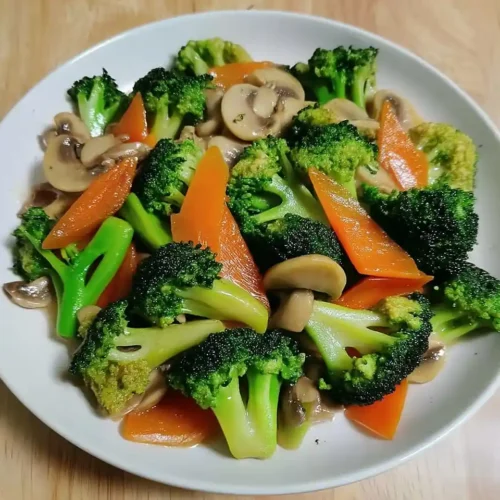
Sautéed Mushrooms with Broccoli
Equipment
- Large skillet or wok
- Cutting board
- Chef’s knife
- Vegetable brush
- Pot for blanching
- Colander
- Small bowl for sauce
- Wooden spoon or spatula
Ingredients
Main Ingredients
- 200 g White mushrooms stems removed, caps sliced into 3mm pieces
- 90 g Raw carrot peeled and sliced into matchsticks
- 100 g Fresh broccoli chopped into florets, soaked in salted water
- 1 Green onion chopped diagonally into 2-inch sections
Seasonings
- 1 tsp Salt plus additional for soaking broccoli
- 1.5 tsp Oyster sauce adds umami depth
- 1 tsp Light soy sauce balances flavor
- 0.5 tsp White pepper powder subtle, clean heat
Sauce & Oil
- 4 tsp Cooking oil for stir-frying
- 2 tbsp Water for braising
- 1 tbsp Starch water 1 tsp cornstarch mixed with 2 tsp water, for glossy finish
Instructions
- Step 1: Prepare Your Broccoli – Soak the fresh broccoli in cold water with about 1 tablespoon of salt while you prep the other vegetables. Set a pot of water deep enough to cover the broccoli on high heat to boil; you’ll blanch it in just a moment for that perfectly tender-crisp texture.
- Step 2: Clean and Slice the Mushrooms – Remove the mushroom stems from the caps and gently wash the caps with a vegetable brush under cool water. Slice the mushroom caps into thin 3mm slivers that will absorb all that savory sauce like tiny flavor sponges.
- Step 3: Prep Your Remaining Vegetables – Rinse your carrot and peel away the thin skin, then slice into matchstick-sized pieces for quick, even cooking. Chop your green onion diagonally into 2-inch sections, and rinse and chop your soaked broccoli into bite-sized florets.
- Step 4: Blanch the Broccoli – When your water reaches a rolling boil, carefully add the broccoli florets and let them cook for just 30 seconds. Drain immediately in a colander and set the broccoli aside; it’ll finish cooking when it hits the hot pan.
- Step 5: Build Flavor with Aromatics – Add your cooking oil to a dry pan over medium heat, then add the green onion and sauté until fragrant—about 30 seconds. The oil should shimmer and the green onion should release its sweet, herbaceous essence into the warmth, creating an aromatic base as inviting as morning dew on fresh herbs.
- Step 6: Cook the Mushrooms and Carrots – Add the sliced mushrooms and carrot slices to your fragrant oil, stirring constantly as they soften and release their moisture. This takes about 3-4 minutes, and you’ll know they’re ready when the mushrooms have turned from pale white to a deeper golden tone.
- Step 7: Combine Everything – Add your blanched broccoli florets to the pan and stir everything together with intention, making sure each piece gets coated in that savory oil. Season generously with your soy sauce, oyster sauce, and white pepper, then taste and add extra salt if needed.
- Step 8: Create the Silky Glaze – Pour in your 2 tablespoons of water around the edges of the pan, then bring it to a gentle boil. Add your prepared starch water in a thin stream while stirring constantly—watch as everything transforms into a glossy, luxurious coating that clings to each vegetable like silk.
Notes
Ingredients For Sautéed Mushrooms with Broccoli

| Component | Amount | Notes |
|---|---|---|
| Main Ingredients | ||
| White mushrooms | 200 g (7 oz) | Stems removed, caps sliced |
| Raw carrot | 90 g (3 oz) | Peeled and sliced |
| Fresh broccoli | 100 g (3.5 oz) | Chopped into florets |
| Green onion | 1 | Chopped diagonally |
| Seasonings | ||
| Salt | 1 tsp (5 ml) | Plus additional for soaking |
| Oyster sauce | 1½ tsp (8 ml) | Adds umami depth |
| Light soy sauce | 1 tsp (5 ml) | Balances flavor |
| White pepper powder | ½ tsp (3 ml) | Subtle, clean heat |
| Sauce & Oil | ||
| Cooking oil | 4 tsp (20 ml) | For stir-frying |
| Water | 2 tbsp (30 ml) | For braising |
| Starch water | 1 tbsp (mixed from 1 tsp starch + 2 tsp water) | For glossy finish |
Instructions For Sautéed Mushrooms with Broccoli
Step 1: Prepare Your Broccoli
Soak the fresh broccoli in cold water with about 1 tablespoon of salt while you prep the other vegetables—this removes any hidden dirt and keeps it brilliantly green. Meanwhile, set a pot of water deep enough to cover the broccoli on high heat to boil; you’ll blanch it in just a moment for that perfectly tender-crisp texture.
Step 2: Clean and Slice the Mushrooms
Remove the mushroom stems from the caps and gently wash the caps with a vegetable brush under cool water, being tender with these delicate fungi. Slice the mushroom caps into thin 3mm slivers—this thickness is crucial for even cooking and will help them absorb all that savory sauce like tiny flavor sponges.
Step 3: Prep Your Remaining Vegetables
Rinse your carrot and peel away the thin skin, then slice into matchstick-sized pieces for quick, even cooking. Chop your green onion diagonally into 2-inch sections, and rinse and chop your soaked broccoli into bite-sized florets—each vegetable should be prepped and ready to go, as stir-frying moves fast.
Step 4: Blanch the Broccoli
When your water reaches a rolling boil, carefully add the broccoli florets and let them cook for just 30 seconds—this is the secret to maintaining that brilliant green color and that perfect tender-crisp bite. Drain immediately in a colander and set the broccoli aside; it’ll finish cooking when it hits the hot pan.
Step 5: Build Flavor with Aromatics
Add your cooking oil to a dry pan over medium heat, then add the green onion and sauté until fragrant—about 30 seconds of golden, perfumed bliss. The oil should shimmer and the green onion should release its sweet, herbaceous essence into the warmth, creating an aromatic base as inviting as morning dew on fresh herbs.
Step 6: Cook the Mushrooms and Carrots
Add the sliced mushrooms and carrot slices to your fragrant oil, stirring constantly as they soften and release their moisture. This takes about 3-4 minutes, and you’ll know they’re ready when the mushrooms have turned from pale white to a deeper golden tone and have softened considerably.
Step 7: Combine Everything
Add your blanched broccoli florets to the pan and stir everything together with intention, making sure each piece gets coated in that savory oil and mingling with its neighbors. Now season generously with your soy sauce, oyster sauce, and white pepper, then taste and add extra salt if needed—this is your chance to adjust the flavors to your preference.
Step 8: Create the Silky Glaze
Pour in your 2 tablespoons of water around the edges of the pan, then bring it to a gentle boil. Once the liquid is bubbling, add your prepared starch water in a thin stream while stirring constantly—watch as everything transforms into a glossy, luxurious coating that clings to each vegetable like silk.

Substitutions for Your Healthy Stir-Fried Vegetables and Mushrooms
Cremini or Portobello Mushrooms Instead of White Buttons
These earthier varieties create a deeper, more robust flavor profile that intensifies the umami in your sautéed mushrooms with broccoli. They’re slightly meatier in texture, so you’ll get that more satisfying bite—just slice them a bit thicker (about 4mm) to account for their denser structure.
Bell Peppers for Extra Sweetness and Color
Swap half the carrots for red, yellow, or orange bell peppers to add bright color and a subtle sweetness to your healthy Japanese meal inspiration. Add them at the same time as the mushrooms, and they’ll soften beautifully while adding visual pop that makes this plate of stir-fried vegetables even more Instagram-worthy.
Bok Choy or Chinese Broccoli Instead of Regular Broccoli
These Asian vegetables bring authenticity and a slightly bitter edge that balances the umami perfectly in this healthy plate of food with rice and vegetables. They cook faster than regular broccoli—skip the blanching step and add them directly to the pan, stirring for just 2-3 minutes until tender-crisp.
Tamari or Coconut Aminos for Soy-Free Option
If you’re avoiding soy, use tamari or coconut aminos in equal amounts as your soy sauce substitute—you’ll maintain that deep, salty umami without any allergen concerns. The flavor profile shifts slightly toward the coconut, but it’s equally delicious and works beautifully with the oyster sauce and white pepper.
Master the art of vibrant vegetables with our guide to fresh stir-fry technique fundamentals that transform ordinary produce into extraordinary dinners. Looking for more umami-rich dishes? Explore our collection of restaurant-quality mushroom cooking methods that bring depth to every plate.
Troubleshooting Your Sautéed Mushrooms with Broccoli
Mushrooms Released Too Much Water and It’s Soupy
This happens when mushrooms are overcrowded in the pan or the heat isn’t high enough—they steam instead of sauté, releasing excess moisture. For next time, don’t skip the blanching step for broccoli, and use a larger pan or cook in batches if needed, keeping the heat at a steady medium-high throughout.
Broccoli Turned Dark Green or Gray Instead of Bright
Overcooking during blanching causes this discoloration—remember, 30 seconds is your magic number, not a suggestion. The moment you see the bright green color appear, drain immediately; you can always finish cooking it in the stir-fry if needed, but you can’t un-overcook it.
Sauce Didn’t Thicken Properly
If your starch water didn’t create that silky coating, you likely added it to liquid that wasn’t hot enough or didn’t stir constantly while adding it. Make sure your broth is at a rolling boil, add the starch water very slowly in a thin stream, and stir constantly—this prevents lumps and ensures even thickening.
Flavors Taste Too Salty or Too Bland
Taste as you go, and remember that oyster sauce is naturally salty, so add soy sauce gradually, tasting between additions. If you’ve already oversalted, add a splash of water and let it reduce; if it’s too bland, a tiny pinch more white pepper adds punch without making it salty.
Storage & Meal Prep
Storing Your Sautéed Dish
Keep your sautéed mushrooms with broccoli in an airtight container in the refrigerator for up to three days—the vegetables stay tender and the sauce maintains its silky texture beautifully. When reheating, warm gently over medium heat with a splash of water to restore the sauce’s glossy consistency.
Meal Prepping Like a Pro
Prep all your vegetables the night before and store them in separate containers, keeping the green onion in its own section since it can lose freshness quickly. Make the starch slurry the morning of cooking, and save the actual stir-frying for just before you eat—this way, you get that fresh-from-the-pan texture and vibrant color every single time.
Serving Suggestions & Pairings

Serve this healthy egg and mushroom meal over steaming jasmine rice or alongside noodles for an authentic healthy Japanese meal inspiration that satisfies completely. A simple bowl of this plate of stir-fried vegetables and mushrooms pairs beautifully with grilled tofu, roasted chicken, or pan-seared fish—add your protein to make it a complete meal.
For a lighter option, serve it in lettuce wraps or over cauliflower rice; the silky sauce and tender vegetables adapt beautifully to any base you choose.
Variations & Dietary Adjustments
Kid-Friendly Version
You know, little ones often find strong flavors intimidating, so reduce the white pepper by half and use less oyster sauce, replacing some with an extra splash of soy sauce for familiarity. Cut the mushroom slices smaller so they’re less “vegetable-y” and more like tender bites that blend seamlessly into their rice.
Vegan & Plant-Based Option
Skip the oyster sauce and replace it with 1 teaspoon of miso paste mixed into your water for that same umami depth—add some sesame oil for richness and you’ve got a completely plant-based healthy plate of food with rice and vegetables. This adjustment keeps the dish satisfying and flavorful without any animal products.
Low-Sodium Health-Conscious Version
Reduce all salt and soy sauce by half, and use low-sodium oyster sauce if available—you’ll still get that depth from the oyster sauce and white pepper, just with less sodium overall. Taste frequently and let the natural flavors of the mushrooms and broccoli shine through, adding just enough salt to enhance rather than dominate.
One-Pan Sheet Dinner with Protein
Arrange everything on a sheet pan, drizzle with your oil and seasonings, and roast at 425°F for 15-18 minutes, stirring halfway through—you’ve got a completely hands-off sautéed mushrooms with broccoli variation that works beautifully for meal prep.
FAQs About Sautéed Mushrooms with Broccoli
Can you sauté broccoli and mushrooms together without blanching first?
Technically yes, but blanching the broccoli first ensures it stays bright green and tender-crisp while the mushrooms get the time they need to release their moisture and soften. Without blanching, you’ll end up with either overcooked broccoli or undercooked mushrooms—the 30-second blanch solves this timing issue elegantly.
How do you add flavor to sautéed mushrooms in this healthy stir-fried vegetables dish?
The oyster sauce is your secret weapon—it adds umami depth that makes simple mushrooms taste like something you’d order at a restaurant. Combine it with white pepper for subtle heat, light soy sauce for saltiness, and aromatics like green onion and garlic for complexity; together, these create a flavor profile that’s impossible to resist.
What pairs well with this sautéed mushrooms with broccoli recipe?
Serve it over jasmine or brown rice for your healthy plate of food with rice and vegetables, or alongside protein like roasted chicken, grilled tofu, pan-seared salmon, or crispy-skinned duck. It also works beautifully in lettuce wraps, over noodles, or even tossed with cooked pasta for an Asian-inspired twist.
Should you boil or blanch mushrooms before the main sauté?
We don’t blanch the mushrooms themselves—just the broccoli gets that quick dip in boiling water—because boiling mushrooms leaches out their flavor and texture. Instead, the mushrooms go straight into the hot oil where they can sear gently, release their moisture, and absorb all those savory seasonings beautifully.
Why is white pepper used instead of black in this healthy Japanese meal inspiration?
White pepper provides heat and spice without the visible black specks, which is traditional in Asian cooking and allows the beautiful colors of your vegetables to remain visually uninterrupted. Its flavor is also slightly more refined and less sharp than black pepper, making it perfect for delicate stir-fries where subtlety matters.
Best way to keep your vegetables from getting mushy when you’re meal prepping this dish?
Cook only what you’re eating immediately, rather than cooking a large batch and storing it—stir-fried dishes truly shine when prepared fresh. If you must prep ahead, keep your vegetables raw and separate from the sauce, then combine and heat everything together just before eating for that perfect texture.
Final Thoughts

This sautéed mushrooms with broccoli dish proves that healthy doesn’t mean complicated or time-consuming—with just 20 minutes and a handful of pantry staples, you’re creating something that tastes like genuine restaurant cooking.
Whether you’re discovering simple stir-fry techniques for the first time or you’re already a kitchen enthusiast, this recipe deserves regular rotation in your meal planning. The oyster sauce and white pepper combination is your new secret weapon, and once you master this foundation, you’ll find yourself adapting it with whatever vegetables need using up.
Discover how to properly blanch and shock vegetables for peak color while maintaining nutritional value and crunch. For more on the science of umami and flavor pairing, check out this authoritative guide to umami ingredients that explains why oyster sauce is such a game-changer in Asian cooking.