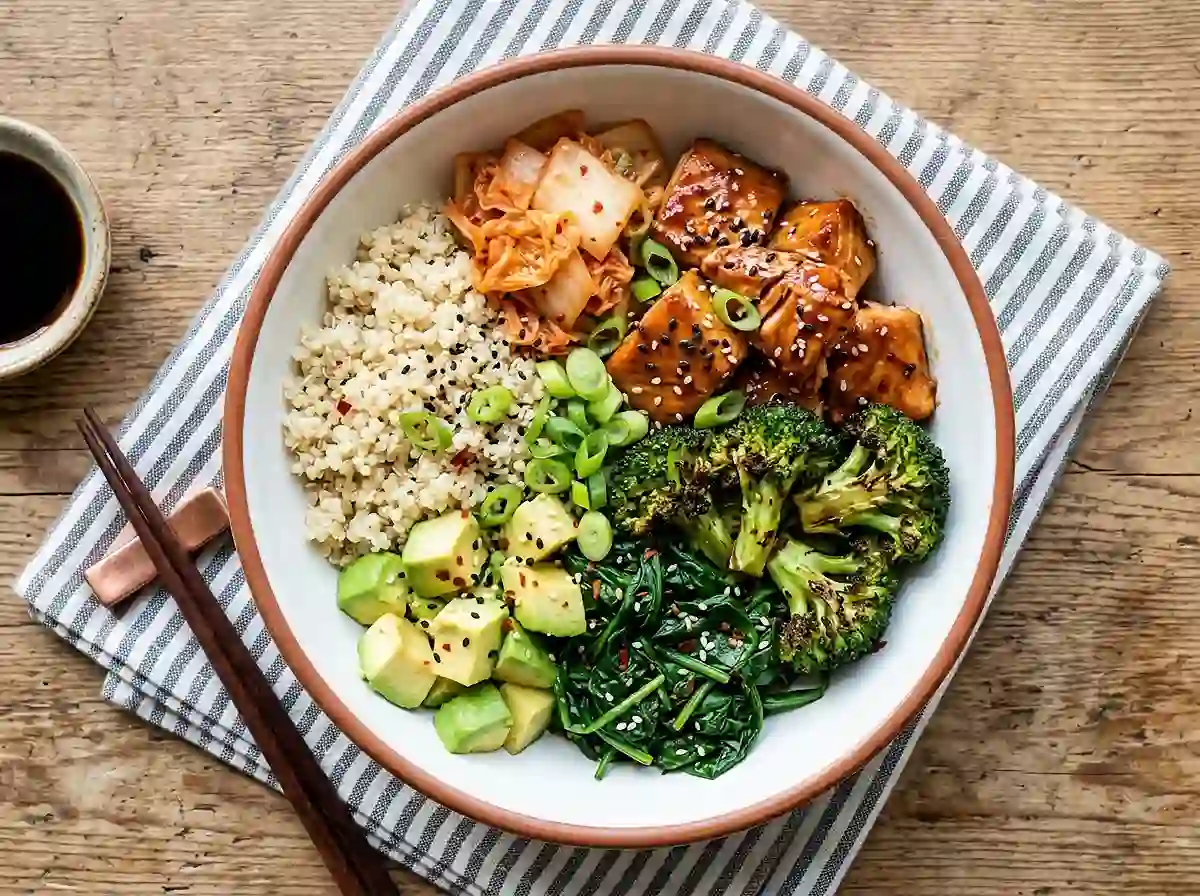
Teriyaki Salmon Broccoli Bowl
A nourishing Asian Teriyaki Salmon Broccoli Bowl, roasted broccoli, wilted spinach, fluffy grains, and creamy avocado, finished with kimchi and sesame seeds.
The first time I made homemade teriyaki sauce, I couldn’t believe how much better it tasted than anything from a bottle. That slightly sweet, gingery glaze caramelizing on a perfect piece of salmon—it’s the kind of meal that makes you wonder why you ever ordered takeout. This Teriyaki Salmon Broccoli Bowl captures that restaurant magic with wholesome, real-food ingredients you can feel good about.
Have you ever craved something that’s both deeply satisfying and genuinely healthy? This asian bowl delivers on both fronts. After making this dozens of times for weeknight dinners and meal prep, I’ve perfected the technique for salmon that’s glazed and gorgeous on the outside, perfectly tender on the inside—no more dry, overcooked fish.
Table of Contents
Ingredients*
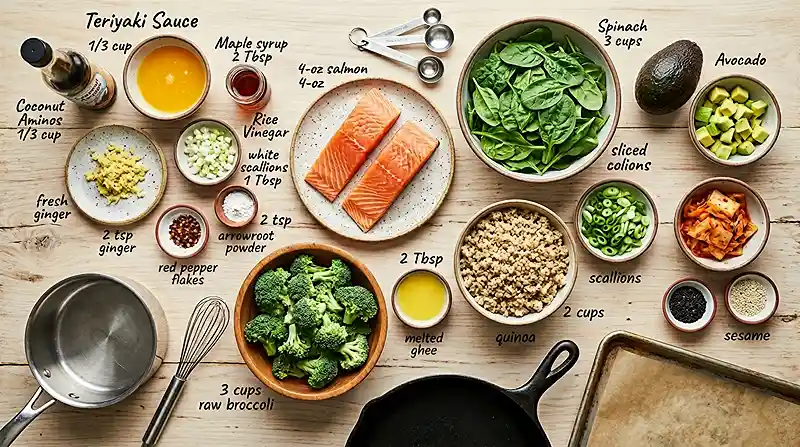
| Component | Amount | Notes |
|---|---|---|
| Homemade Teriyaki Sauce | ||
| Coconut aminos | ⅓ cup | Or low-sodium soy sauce |
| Orange juice | ⅓ cup | Or water |
| Maple syrup | 2 tbsp | Pure maple |
| Rice vinegar | 1 tbsp | Or apple cider vinegar |
| Fresh ginger | 2 tsp | Grated, or 1 tsp dried |
| Scallions | 2 | Minced, white and pale green |
| Crushed red pepper flakes | Pinch | |
| Arrowroot powder | 2 tsp | Or cornstarch, optional |
| Water | 1 tbsp | For slurry, optional |
| Salmon Bowls | ||
| Salmon fillets | 2 (4 oz each) | Skin-on or skinless |
| Broccoli florets | 3 cups | Chopped |
| Ghee or avocado oil | 2 tbsp | Divided |
| Crushed red pepper flakes | ¼ tsp | |
| Fresh spinach | 3 cups | Chopped |
| Cooked rice, millet, or quinoa | 2 cups | |
| Scallions | ½ bunch | Finely chopped |
| Avocado | 1 | Diced |
| Kimchi | For serving | |
| Sesame seeds | For serving |
Instructions
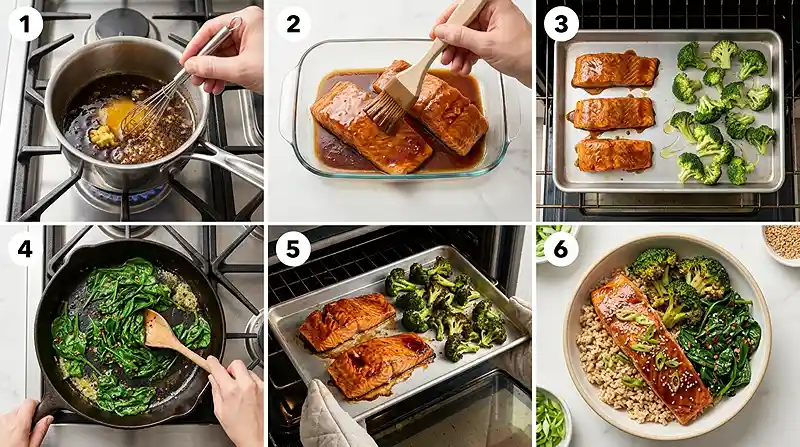
- Make the teriyaki sauce. Combine the coconut aminos, orange juice, maple syrup, rice vinegar, grated ginger, minced scallions, and red pepper flakes in a small saucepan over medium-high heat. Bring to a gentle simmer, stirring occasionally.
- Thicken if desired. For a glossier, thicker sauce, mix the arrowroot powder with 1 tablespoon water in a small bowl to create a slurry. Stir this into the simmering sauce and continue whisking for 3 to 5 minutes until it thickens enough to coat the back of a spoon. In my testing, the thickened version clings better to the salmon.
- Preheat the oven. Set your oven to 425°F. This high heat ensures the salmon develops a beautiful glaze while the broccoli gets those caramelized edges.
- Marinate the salmon. Place the salmon fillets in a shallow baking dish. Pour about ¼ cup of the teriyaki sauce over the salmon, turning to coat both sides. Let marinate for 15 minutes at room temperature, or up to 4 hours in the refrigerator for deeper flavor.
- Prepare the sheet pan. Transfer the marinated salmon to one side of a large baking sheet. Arrange the broccoli florets on the other half. Drizzle the broccoli with 1 tablespoon of melted ghee or avocado oil and season with salt and pepper.
- Roast together. Place the sheet pan in the preheated oven and roast for about 15 minutes. The salmon should flake easily with a fork and have a caramelized glaze; the broccoli should be lightly browned and tender with crispy edges.
- Wilt the spinach. While everything roasts, heat a large cast iron or heavy skillet over medium-high heat. Add the remaining tablespoon of ghee or oil along with the ¼ teaspoon crushed red pepper flakes. Add the chopped spinach with a generous sprinkle of salt and pepper.
- Cook until just wilted. Stir the spinach frequently for about 5 minutes until it wilts and releases its liquid but still has bright green color. Remove from heat immediately—overcooked spinach turns army green and bitter.
- Assemble the bowls. Divide the cooked grain among four serving bowls. Arrange the roasted salmon (you can break it into large flakes) and broccoli alongside. Add a portion of the wilted spinach to each bowl.
- Add fresh toppings. Top each bowl with diced avocado, chopped scallions, and a generous spoonful of kimchi. Drizzle with extra teriyaki sauce and sprinkle with sesame seeds. Serve immediately while warm.
Substitutions & Variations
This teriyaki salmon bowl adapts beautifully to your dietary needs. Swap salmon for arctic char, trout, or even firm tofu—all take the teriyaki glaze wonderfully. The cold ramen noodle salad offers another Asian-inspired option if you’re craving noodles instead.
Replace rice with quinoa for more protein, cauliflower rice for low-carb, or millet for a gluten-free grain. Any leafy green works in place of spinach—try bok choy, Swiss chard, or kale.
For the sauce, coconut aminos keeps it soy-free and lower sodium; regular soy sauce works if that’s what you have. Water can replace orange juice for a less sweet version.
Add extra vegetables like snap peas, shredded carrots, or edamame. Skip the kimchi if you prefer, or substitute pickled ginger or quick-pickled cucumbers for tang.
Expert Tips & Troubleshooting
Don’t overcook the salmon. This is the biggest mistake home cooks make. According to the USDA, salmon is safe at 145°F internal temperature, but many chefs prefer 125°F for silky, moist flesh. Start checking at 12 minutes—it continues cooking after removal.
Use fresh ginger if possible. Dried ginger works in a pinch, but fresh ginger provides brighter, more complex flavor. Grate it finely on a microplane so it distributes evenly throughout the sauce.
Let the sauce reduce. Don’t rush the thickening step. A properly reduced sauce coats the salmon better and tastes more concentrated. It should coat a spoon without immediately dripping off.
Don’t skip the marinating time. Even 15 minutes makes a difference. The sauce begins to season the fish and creates a base layer that caramelizes beautifully in the oven.
Roast broccoli until charred. Don’t be afraid of dark spots—that’s where the flavor is. Pale, steamed broccoli can’t compare to florets with caramelized, slightly crispy edges.
Storage & Meal Prep
| Component | Storage | Duration |
|---|---|---|
| Teriyaki sauce | Sealed jar, refrigerated | 2 weeks |
| Cooked salmon | Airtight container, refrigerated | 3 days |
| Roasted broccoli | Airtight container, refrigerated | 4 days |
| Wilted spinach | Airtight container, refrigerated | 3 days |
| Cooked grains | Airtight container, refrigerated | 5 days |
| Diced avocado | Not recommended | Cut fresh |
| Assembled bowl | Airtight container, refrigerated | 2 days |
This bowl is perfect for meal prep. Make sauce and cook grains on Sunday; roast salmon and broccoli Monday and Wednesday. Store components separately and assemble fresh bowls, reheating salmon and vegetables gently. Cut avocado just before eating.
Serving Suggestions
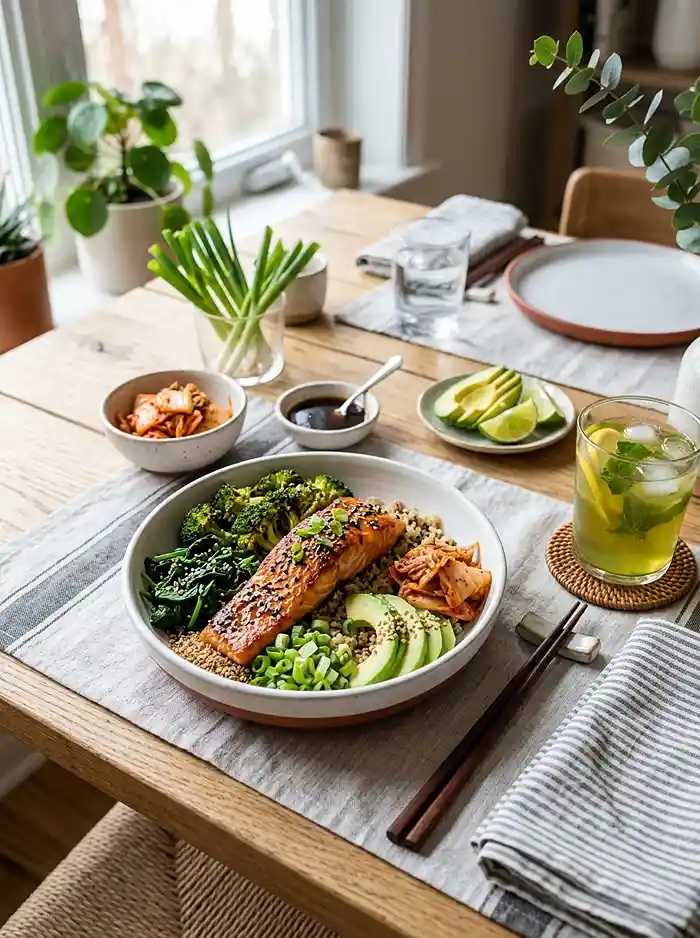
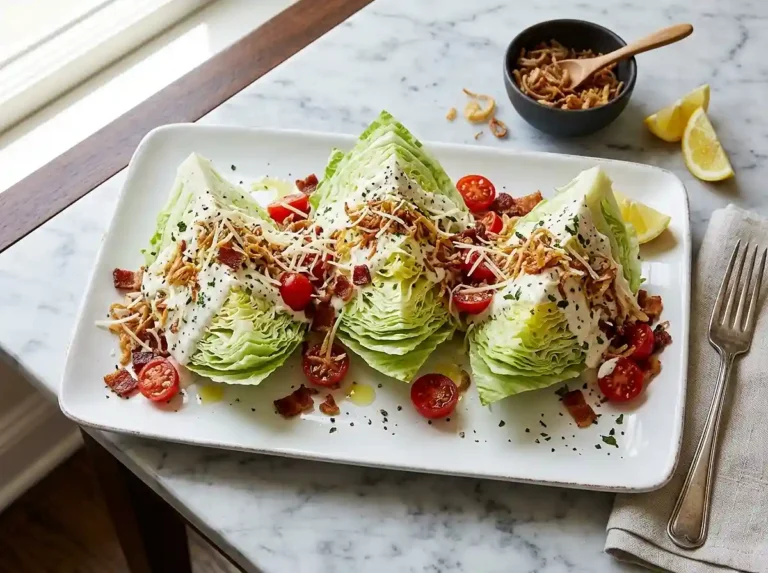
This Teriyaki Salmon Broccoli Bowl is a complete, balanced meal on its own—protein, healthy fats, fiber, and complex carbs all in one beautiful bowl. Pair it with the mushroom and arugula salad for an impressive dinner spread, or serve alongside the avocado ranch wedge salad for contrasting flavors.
For entertaining, set up a bowl bar with all components in separate dishes and let guests build their own—it’s interactive and ensures everyone gets exactly what they want. Pair with cold sake, green tea, or a crisp Riesling.
FAQs About Teriyaki Salmon Broccoli Bowl
What to put in a teriyaki salmon bowl?
Classic teriyaki salmon bowls include a grain base (rice, quinoa), the glazed salmon, roasted or steamed vegetables (broccoli, bok choy, snap peas), fresh elements (avocado, cucumber, edamame), and toppings like sesame seeds, scallions, and pickled ginger or kimchi.
Is salmon and broccoli a good combination?
Absolutely! Salmon and broccoli are a classic healthy pairing. The rich, fatty salmon contrasts beautifully with the slightly bitter, earthy broccoli. When both are roasted with teriyaki sauce, the flavors complement each other perfectly while providing excellent nutrition.
Do salmon and teriyaki go together?
They’re a match made in culinary heaven. The sweet, salty, gingery teriyaki sauce cuts through salmon’s richness while the fish’s natural oils help the glaze caramelize beautifully. It’s one of the most popular salmon preparations in Japanese-American cuisine.
How to cook salmon for diabetics?
This recipe is excellent for diabetics when made with coconut aminos (lower glycemic than soy sauce) and served over cauliflower rice instead of grains. The salmon provides healthy omega-3 fats and protein, while the vegetables add fiber that helps stabilize blood sugar.
What is the biggest mistake when cooking salmon?
Overcooking is by far the most common error. Salmon continues cooking after removal from heat, so take it out when the center is still slightly translucent. A properly cooked fillet should flake easily but remain moist—dry, chalky salmon means it cooked too long.
This Teriyaki Salmon Broccoli Bowl brings the flavors of your favorite Asian restaurant home with wholesome, real-food ingredients. The homemade teriyaki sauce, perfectly glazed salmon, and vibrant vegetables create something that’s as nourishing as it is delicious. Now fire up that oven and build your perfect bowl!
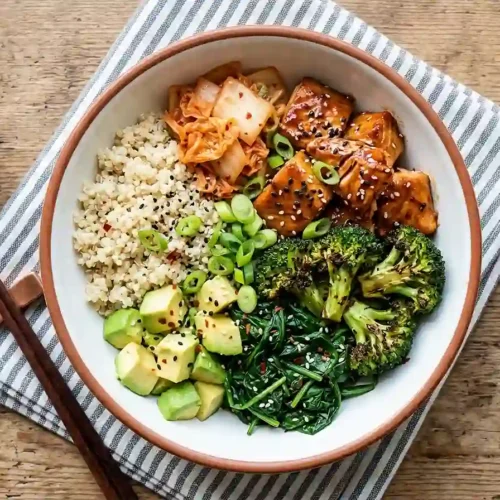
Teriyaki Salmon Broccoli Bowl
Equipment
- Small saucepan
- Whisk
- Large baking sheet
- Shallow baking dish
- Large cast iron or heavy skillet
- Microplane or fine grater
- Serving bowls
Ingredients
Homemade Teriyaki Sauce
- ⅓ cup coconut aminos or low-sodium soy sauce
- ⅓ cup orange juice or water
- 2 tbsp maple syrup pure maple
- 1 tbsp rice vinegar or apple cider vinegar
- 2 tsp fresh ginger grated, or 1 tsp dried
- 2 scallions minced, white and pale green parts
- 1 pinch crushed red pepper flakes
- 2 tsp arrowroot powder or cornstarch, optional for thicker sauce
- 1 tbsp water for slurry, optional
Salmon Bowls
- 2 4-oz salmon fillets skin-on or skinless
- 3 cups broccoli florets chopped
- 2 tbsp ghee or avocado oil divided
- ¼ tsp crushed red pepper flakes
- 3 cups fresh spinach chopped
- 2 cups cooked rice, millet, or quinoa
- ½ bunch scallions finely chopped, white and green parts
- 1 avocado diced
- kimchi for serving
- sesame seeds for serving
Instructions
- Combine the coconut aminos, orange juice, maple syrup, rice vinegar, grated ginger, minced scallions, and red pepper flakes in a small saucepan over medium-high heat. Bring to a gentle simmer.
- For a thicker sauce, mix arrowroot powder with 1 tablespoon water to create a slurry. Stir into the simmering sauce and whisk for 3-5 minutes until it thickens enough to coat the back of a spoon.
- Preheat your oven to 425°F. This high heat ensures the salmon develops a beautiful glaze while the broccoli gets caramelized edges.
- Place salmon fillets in a shallow baking dish. Pour about ¼ cup teriyaki sauce over the salmon, turning to coat both sides. Marinate for 15 minutes at room temperature, or up to 4 hours refrigerated.
- Transfer marinated salmon to one side of a large baking sheet. Arrange broccoli florets on the other half, drizzle with 1 tablespoon ghee or avocado oil, and season with salt and pepper.
- Roast for about 15 minutes until salmon flakes easily with a fork and has a caramelized glaze, and broccoli is lightly browned and tender with crispy edges.
- Meanwhile, heat a large skillet over medium-high heat. Add remaining 1 tablespoon ghee or oil with ¼ teaspoon crushed red pepper flakes. Add chopped spinach with salt and pepper.
- Stir spinach frequently for about 5 minutes until wilted but still bright green. Remove from heat immediately—overcooked spinach turns army green and bitter.
- Divide cooked grain among four serving bowls. Arrange roasted salmon and broccoli alongside. Add wilted spinach to each bowl.
- Top each bowl with diced avocado, chopped scallions, and a generous spoonful of kimchi. Drizzle with extra teriyaki sauce and sprinkle with sesame seeds. Serve immediately while warm.