White Balsamic Vinaigrette
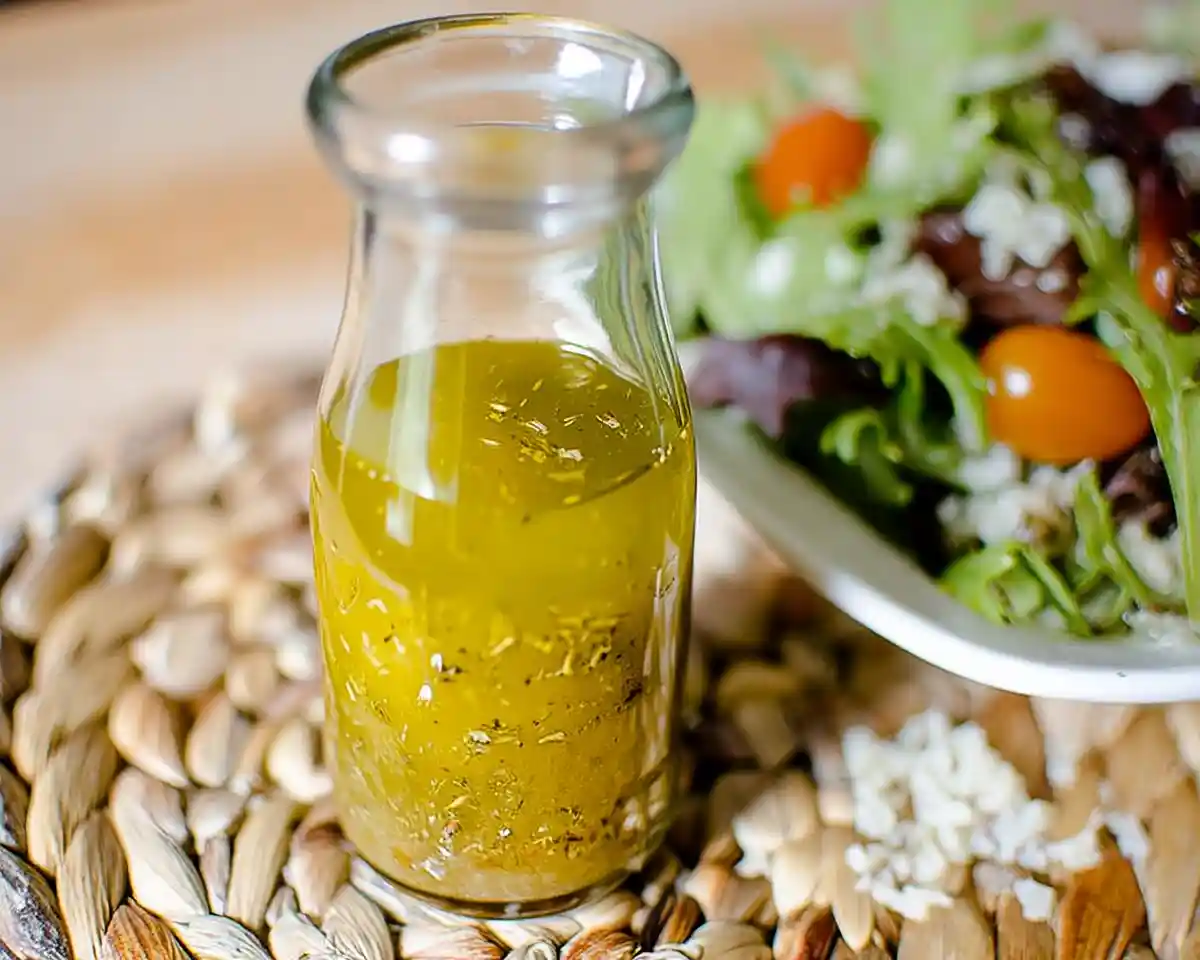
Master white balsamic vinaigrette with this easy recipe featuring honey, Dijon mustard & olive oil. Perfect for salads, vegetables & grain bowls—ready in 5 minutes!
You know that feeling when you taste a truly exceptional balsamic dressing at a nice restaurant and wonder how they make it look so effortless? Well, I’m thrilled to tell you that creating a silky white balsamic vinaigrette at home is actually one of the easiest kitchen skills you can master.
I started making this version about five years ago when I wanted something lighter than traditional balsamic vinaigrette but equally impressive. This balsamic dressing has become my secret weapon for turning ordinary salads into something genuinely restaurant-worthy.
What makes balsamic vinaigrette so special is that it whispers rather than shouts—it enhances every ingredient without overpowering delicate greens or vegetables. You know, this is the kind of recipe that’ll make you feel like a confident cook, even if you’re just starting your salad-making journey.
The creamy emulsification happens right before your eyes, which is honestly the most satisfying part of the whole process. The pale golden color also means it won’t stain your beautiful salads dark, keeping everything looking fresh and vibrant.
Table of Contents
Why White Balsamic Vinaigrette Matters
The difference between balsamic vinaigrette and white balsamic vinaigrette starts with the color and complexity you bring to your salads. Traditional balsamic is deep, rich, and sometimes heavy, while white balsamic dressing maintains that sophisticated tang without the dark pigmentation.
According to expert culinary research on vinegar chemistry, white balsamic undergoes the same aging process as traditional balsamic but is made from white grape must, preserving its lighter color while developing those complex flavors. This makes it the perfect choice for delicate lettuces, fresh vegetables, and any salad where visual presentation matters as much as taste.
Your recipe becomes a blank canvas that lets the rainbow of your vegetables shine through without darkening or staining. The honey addition creates natural sweetness that balances the vinegar’s acidity, while Dijon mustard acts as an emulsifier.
This means you get a thick, glossy balsamic dressing that clings beautifully to greens instead of pooling at the bottom of your bowl. Understanding this chemistry makes you a better cook and helps you create dressings that actually work the way you want them to.
White Balsamic Vinaigrette Recipe
Equipment
- Medium Mixing Bowl
- Whisk
- Measuring Cups
- Measuring Spoons
- Glass Jar
- Spoon
Ingredients
Vinaigrette Base
- 0.25 cup White Balsamic Vinegar
- 2 tablespoons Honey
- 2 teaspoons Dijon Mustard
- 0.5 teaspoon Italian Seasoning
- 0.25 teaspoon Salt
- 0.5 cup Extra Virgin Olive Oil high quality
Instructions
- Step 1: Combine Your Base Ingredients – In a medium bowl, whisk together white balsamic vinegar, honey, Dijon mustard, Italian seasoning, and salt until fully combined. The mixture should look pale and slightly frothy, with the honey dissolving into the vinegar. You’ll notice the aroma becoming noticeably more complex as these flavors marry together. Make sure your bowl is large enough to accommodate the whisking motion you’ll need in the next step.
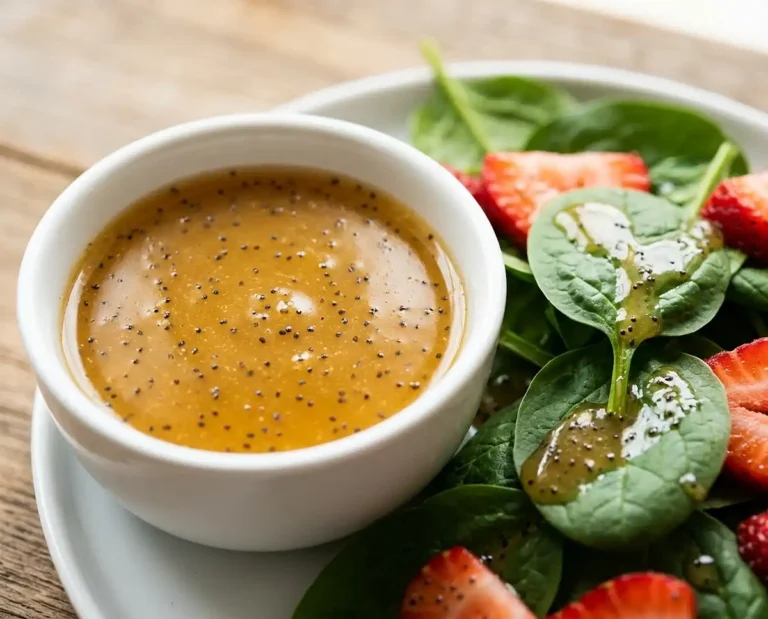
- Step 2: Emulsify Your Balsamic Dressing – Slowly, while whisking continuously, pour the extra virgin olive oil in a steady stream into your vinegar mixture. Never rush this step—the slow incorporation is what creates that signature silky, thick balsamic vinaigrette. Continue whisking with purpose and consistency until the dressing transforms before your eyes, becoming thick and shiny. You’ll know it’s ready when it coats the back of a spoon and has the consistency of lightly whipped cream, as smooth as freshly churned butter.
- Step 3: Taste & Adjust – Give your finished white balsamic vinaigrette a quick taste and decide if it needs any tweaks. If it’s too vinegary, whisk in a touch more honey; if it’s too sweet, add a splash more white balsamic. The seasoning should be balanced—not overpowering, but definitely present. Store any leftover dressing in a glass jar at room temperature for up to one week, shaking well before each use.
Notes
Ingredients

| Ingredient | Amount |
|---|---|
| White balsamic vinegar | ¼ cup |
| Honey | 2 tablespoons |
| Dijon mustard | 2 teaspoons |
| Italian seasoning | ½ teaspoon |
| Salt | ¼ teaspoon |
| Extra virgin olive oil (high quality) | ½ cup |
Instructions
Step 1: Combine Your Base Ingredients
In a medium bowl, whisk together white balsamic vinegar, honey, Dijon mustard, Italian seasoning, and salt until fully combined. The mixture should look pale and slightly frothy, with the honey dissolving into the vinegar. You’ll notice the aroma becoming noticeably more complex as these flavors marry together. Make sure your bowl is large enough to accommodate the whisking motion you’ll need in the next step.
Step 2: Emulsify Your Balsamic Dressing
Slowly, while whisking continuously, pour the extra virgin olive oil in a steady stream into your vinegar mixture. Never rush this step—the slow incorporation is what creates that signature silky, thick balsamic vinaigrette. Continue whisking with purpose and consistency until the dressing transforms before your eyes, becoming thick and shiny.
You’ll know it’s ready when it coats the back of a spoon and has the consistency of lightly whipped cream, as smooth as freshly churned butter.
Step 3: Taste & Adjust
Give your finished white balsamic vinaigrette a quick taste and decide if it needs any tweaks. If it’s too vinegary, whisk in a touch more honey; if it’s too sweet, add a splash more white balsamic.
The seasoning should be balanced—not overpowering, but definitely present. Store any leftover dressing in a glass jar at room temperature for up to one week, shaking well before each use.
Substitutions & Creative Variations
Switch Up Your Vinegar
Don’t have white balsamic vinegar on hand? Red wine vinegar creates a more traditional balsamic vinaigrette with deeper color and earthier notes. Apple cider vinegar produces a lighter, slightly fruity version that works beautifully on grain bowls and vegetable salads. Each variation creates a different flavor profile, so choose based on what you’re dressing.
Honey Alternatives
If you prefer to skip honey or need a vegan option, maple syrup or agave nectar works equally well in your balsamic dressing. These sweeteners dissolve smoothly and create the same emulsification magic that honey does. Date syrup or coconut sugar paste also work if you’re exploring different sweetness sources. The important thing is having some sweetener to balance the vinegar’s natural acidity.
Mustard Modifications
Grainy mustard brings texture and a spicier bite to your white balsamic vinaigrette compared to smooth Dijon. Whole grain mustard also acts as an excellent emulsifier, though it will create a slightly rougher texture. If you don’t have Dijon available, regular yellow mustard works in a pinch, though the flavor will be more muted. Spicy brown mustard adds depth and complexity for those who love boldness.
Herb Enhancement
Beyond Italian seasoning, fresh herbs transform your balsamic dressing into something uniquely yours. Fresh basil, oregano, or thyme can replace dried seasoning for a brighter, more vibrant white balsamic dressing. A tiny minced garlic clove adds pungency, while shallots bring subtle sweetness and sophistication. You can also try a pinch of red pepper flakes for heat or fresh lemon zest for brightness.
Oil Quality Matters
The quality of your extra virgin olive oil dramatically impacts your finished balsamic vinaigrette. Fruity, robust oils create a more complex dressing, while delicate oils keep the focus on the vinegar and honey. Avocado oil offers a neutral flavor and higher smoke point if you’re using this dressing for warm salads. Walnut oil adds nutty richness that pairs beautifully with fruit and cheese-based salads.
Troubleshooting

Dressing Isn’t Emulsifying
If your balsamic dressing stays thin and separated instead of thickening, you likely rushed the oil-adding process. Start over with a fresh bowl and pour the oil in much more slowly—literally a thin stream—while whisking constantly. Temperature matters too; cold oil emulsifies less readily than room-temperature oil. The mustard acts as your emulsifier, so make sure you’re using actual Dijon mustard, not just vinegar and oil.
It’s Too Thick
If your balsamic vinaigrette becomes so thick it’s hard to whisk, you’ve added too much oil or not enough vinegar. Simply whisk in a tiny bit more white balsamic vinegar or even a teaspoon of water to reach the consistency you want. Remember that dressing thickens slightly as it cools, so let it sit for a few minutes before deciding it’s too thick. Thick dressing is actually preferable because it clings to salads instead of sliding off.
Tastes Too Acidic
If the vinegar taste overwhelms your white balsamic vinaigrette, add another teaspoon of honey and whisk well. The sweetness will round out the sharp edges and create better balance. Sometimes salt also helps mellow acidity, so try adding a tiny pinch if honey alone doesn’t help. Remember that dressing flavors mellow when sitting with salad greens, so don’t over-correct.
Tastes Too Sweet
If your balsamic dressing tastes more like dessert than salad topping, you’ve gone heavy on the honey. Add another tablespoon of white balsamic vinegar and whisk thoroughly to restore the balance. A pinch more Dijon mustard also adds tanginess that counters sweetness nicely. Taste frequently as you adjust so you don’t swing too far in the other direction.
Separates When Stored
This is completely normal and nothing to worry about—just give your jar a vigorous shake or quick whisk before using. If separation bothers you, add a tiny bit more Dijon mustard, which strengthens the emulsification. Store dressing in a glass jar with a tight-fitting lid to minimize evaporation. Room temperature storage works better than refrigerator storage for maintaining the right consistency.
Storage & Make-Ahead Tips
How to Store White Balsamic Vinaigrette
Keep your finished balsamic dressing in a glass jar with a tight-fitting lid at room temperature for up to one week. The flavors actually develop and deepen slightly as it sits, making day-old dressing arguably better than freshly made. Avoid storing in the refrigerator, where cold temperatures can cause the oil to solidify and separate. If you notice separation, simply shake vigorously or whisk again to recombine.
Make-Ahead Magic
You can prepare all your dry ingredients the night before and store them in a jar, then whisk in the oil just before serving. Alternatively, make the entire batch and store it for up to a week, shaking well before each use. This make-ahead approach is perfect for busy families who want homemade dressing without last-minute fussing. Having a jar of quality white balsamic vinaigrette in your pantry means salads become a genuine possibility on even the busiest weeknights.
Serving Suggestions & Pairings
Drizzle this white balsamic vinaigrette over delicate spring greens, mixed lettuces, or any green salad where you want the dressing to enhance rather than overwhelm. It pairs beautifully with fresh vegetables like heirloom tomatoes, cucumbers, and shredded carrots without staining them dark.
This balsamic dressing also works wonderfully on warm roasted vegetables, grain bowls, and even fresh mozzarella and tomato combinations. For Thanksgiving entertaining, try it on a holiday salad with roasted beets, goat cheese, and candied pecans.
This versatile white balsamic vinaigrette also shines as a dipping sauce for crusty bread or fresh vegetables. Drizzle it over simple caprese salads, use it to dress Mediterranean grain bowls, or spoon it over grilled vegetables. It’s sophisticated enough for dinner parties yet simple enough for casual weeknight meals. The pale color means you can see all your beautiful ingredients without that dark appearance that traditional balsamic creates.
Variations & Dietary Adjustments
Citrus-Enhanced Version
Add fresh lemon juice or orange zest to your white balsamic vinaigrette for brightness and complexity. This variation works beautifully on fruit-based salads or those with bitter greens that benefit from citrus notes. You know, sometimes a little brightness is exactly what transforms good into absolutely exceptional. Use about one teaspoon of fresh citrus juice without letting it overpower the balsamic flavor.
Garlic-Forward Option
Mince one small garlic clove very finely and whisk it directly into your balsamic dressing for savory depth. This version pairs wonderfully with hearty salads containing roasted vegetables or beans. The garlic flavors develop and mellow as the dressing sits, becoming more subtle and integrated. If you prefer gentler garlic flavor, infuse the oil with a garlic clove for a few hours before whisking the dressing.
Vegan & Dairy-Free Version
This balsamic dressing is naturally vegan as written—just confirm your honey is bee-free and use maple syrup instead if desired. All ingredients are plant-based and require no modification for completely vegan meal planning. It’s perfect for anyone avoiding animal products while still enjoying sophisticated, restaurant-quality salad dressings.
Creamy White Balsamic Variation
Whisk in a tablespoon or two of Greek yogurt or cashew cream for a creamy version that clings even better to salads. This creates a dressing that’s thicker and richer while maintaining the white balsamic vinaigrette’s delicate flavor profile.
The cream adds body without overpowering the subtle taste of quality white balsamic. This works especially well when you’re dressing heartier greens or substantial vegetable combinations.
Herb-Forward Italian Version
Increase the Italian seasoning or add fresh basil, oregano, and thyme for a more pronounced herbaceous profile. This enhanced version works beautifully on Italian-inspired salads or those featuring Mediterranean vegetables. Fresh herbs will need to be whisked in right before serving to maintain their bright flavor. This variation feels like bottled Tuscan sunshine.
FAQs About White Balsamic Vinaigrette
What does white balsamic vinaigrette taste like?
White balsamic vinaigrette tastes like a delicate balance of tangy vinegar, subtle sweetness, and the peppery warmth of good mustard and olive oil. It’s sophisticated without being sharp, sweet without being cloying, and rich without being overwhelming. The flavor profile complements rather than competes with your salad ingredients. Think of it as an elegant whisper rather than a bold shout.
What is white balsamic vinegar made out of?
White balsamic vinegar is made from the juice of white grape varieties that are aged in wooden barrels, much like traditional dark balsamic. The key difference is that white grapes create a lighter color while still developing those complex, aged flavors. No artificial coloring or caramel is added—the pale color comes naturally from the white grape must.
Is white balsamic sweet?
White balsamic vinegar has natural sweetness compared to other vinegars, though it’s not as obviously sweet as traditional dark balsamic. When you add honey to create balsamic vinaigrette, the overall sweetness becomes more pronounced and balanced. The sweetness should feel complementary to the vinegar’s tang, not dominating. Some people taste honey first, while others taste vinegar first—it depends on your palate and the specific brand you use.
Is balsamic vinegar halal?
Most balsamic vinegar is halal-certified, though you should check the specific bottle’s label to be sure. The vinegar production process—fermentation and aging—doesn’t typically involve non-halal ingredients or processing methods. Always verify with your specific brand, as certification standards can vary. If you’re keeping halal, look for bottles with official halal certification markings.
Related Recipe Ideas
Discover how to make healthy lemon dill potato salad without mayo for a fresh vegetarian nutrition-focused side dish that works well with creamy vinaigrette variations. This approach mirrors the philosophy of white balsamic dressing—letting quality ingredients shine through.
For more sophisticated salad options, check out our parmesan chopped salad recipe that pairs wonderfully with this balsamic dressing or any of its creative variations. These recipes work together to build your complete salad-making confidence and repertoire.
Final Notes

Mastering white balsamic vinaigrette is one of those kitchen skills that feels small but creates massive impact on your everyday cooking. Five minutes of effort yields restaurant-quality results that’ll make your salads something people actually look forward to eating.
This elegant balsamic dressing proves that simplicity and sophistication aren’t mutually exclusive—sometimes they’re exactly the same thing. Your salad game is about to level up, and honestly, that’s something worth celebrating.