Couscous Salad Recipe
Discover the best couscous salad with fresh veggies, herbs, and zesty lemon dressing. Perfect for meal prep, potlucks, and busy weeknight dinners everyone loves!
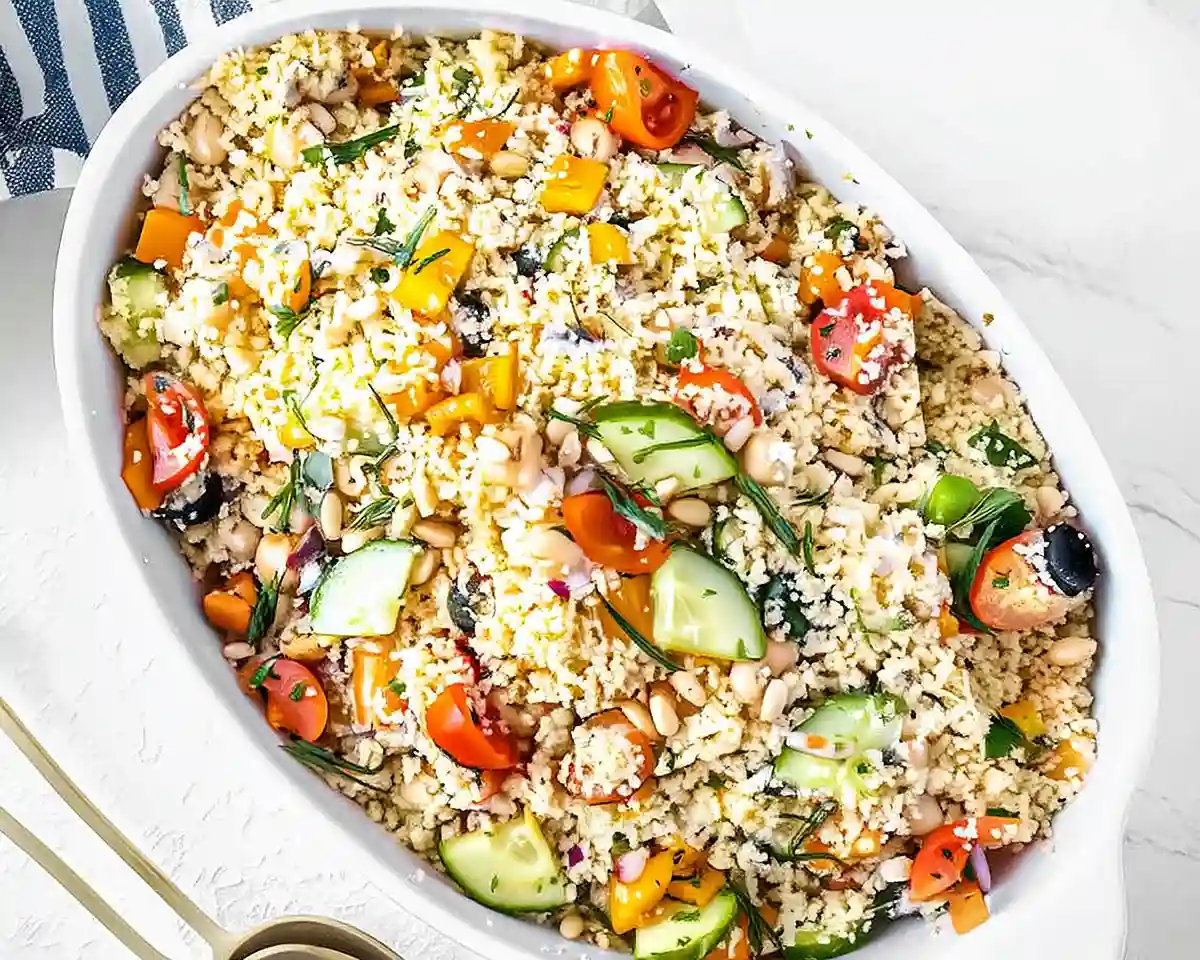
Last summer, I brought this couscous salad to a Fourth of July potluck, and honestly? The bowl was scraped clean before the burgers even came off the grill. There’s something magical about fluffy, golden couscous tossed with crisp cucumbers, juicy tomatoes, and that bright lemon zing that makes everyone reach for seconds.
You know what I love most about the best couscous salad? It comes together in about 20 minutes, and half of that time is just letting the couscous do its thing while you chop veggies. The result is a gorgeous, colorful bowl that tastes as fresh as a spring garden and works for lunch, dinner, or your next family gathering.
Well, if you’ve been searching for easy couscous salad recipes that actually deliver on flavor and texture, you’re in exactly the right place. This recipe balances earthy cumin, tangy lemon, briny olives, and creamy chickpeas in a way that feels both nourishing and exciting.
Table of Contents
Couscous Salad Recipe
Equipment
- Large bowl
- Fork
- Cutting board
- Knife
- Plate (for covering)
- Measuring Cups
- Measuring Spoons
Ingredients
Couscous Base
- 1 cup couscous dry
- 1 teaspoon lemon zest grated
- 1 teaspoon ground cumin
- 1 teaspoon garlic grated
- ¼ teaspoon turmeric optional
- 1 teaspoon salt
- ⅛ teaspoon black pepper
- 1 cup water just boiled
- 3 tablespoons extra virgin olive oil or more to taste
- 2 tablespoons lemon juice or more to taste
Fresh Veggies
- 1 can chickpeas 15-ounce, drained and rinsed, or 1½ cups cooked
- 1 ½ cups cherry tomatoes quartered
- 1 ½ cups cucumber diced
- 1 cup yellow bell pepper diced
- 1 small red onion finely chopped
- ½ cup olives halved
- 4 tablespoons parsley finely chopped
Instructions
- To a large bowl, add 1 cup couscous, 1 teaspoon grated lemon zest, 1 teaspoon ground cumin, 1 teaspoon grated garlic, ¼ teaspoon turmeric, 1 teaspoon salt, and ⅛ teaspoon black pepper. Stir well with a fork until the spices coat the tiny grains evenly, creating a fragrant base that smells warm and inviting.
- Boil 1 cup water and pour it directly over the couscous mixture. Give it a gentle stir with a fork to make sure every grain gets kissed by that hot water, then cover the bowl tightly with a plate and let it steam for 5–10 minutes while you prep your veggies.
- While the couscous absorbs all that flavor, grab your cutting board and dice up your vegetables. I love watching those cherry tomatoes release their jewel-toned juices and the cucumber turn as crisp as freshly fallen snow under the knife.
- Once your timer goes off, uncover the bowl and fluff the couscous gently with a fork. You’ll see it’s transformed into light, separate grains that are tender but still have a pleasant bite.
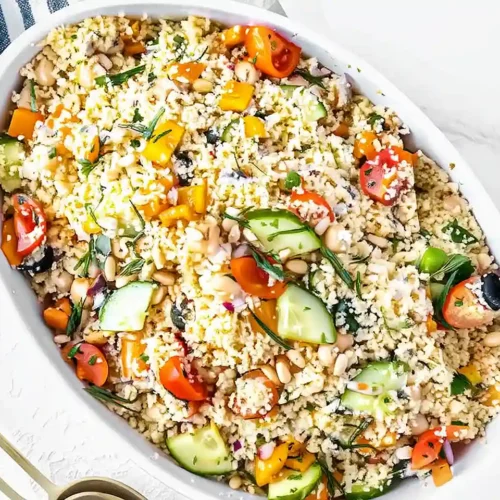
- Add 1 can of chickpeas (drained and rinsed), 1½ cups cherry tomatoes, 1½ cups cucumber, 1 cup yellow bell pepper, 1 small red onion, ½ cup olives, and 4 tablespoons fresh parsley to the fluffy couscous. The colors alone will make you smile—bright yellows, deep reds, and vibrant greens all mingling together.
- Drizzle 3 tablespoons extra virgin olive oil and 2 tablespoons fresh lemon juice over everything. Toss gently but thoroughly, making sure every ingredient gets coated in that bright, tangy dressing.
- Taste and adjust for salt, adding a pinch more if needed, then serve immediately or chill for 30 minutes to let the flavors marry. Either way, you’re in for a treat.
Notes
Ingredients

| Couscous Base | Fresh Veggies |
|---|---|
| 1 cup couscous (dry) | 1 can (15-ounce) chickpeas or 1½ cups cooked |
| 1 teaspoon grated lemon zest | 1½ cups cherry tomatoes (quartered) |
| 1 teaspoon ground cumin | 1½ cups cucumber (diced) |
| 1 teaspoon grated garlic | 1 cup yellow bell pepper (diced) |
| ¼ teaspoon turmeric | 1 small red onion (finely chopped) |
| 1 teaspoon salt | ½ cup olives (halved) |
| ⅛ teaspoon black pepper | 4 tablespoons parsley (finely chopped) |
| 1 cup water (just boiled) | |
| 3 tablespoons extra virgin olive oil | |
| 2 tablespoons lemon juice |
Instructions
Step 1: To a large bowl, add 1 cup couscous, 1 teaspoon grated lemon zest, 1 teaspoon ground cumin, 1 teaspoon grated garlic, ¼ teaspoon turmeric, 1 teaspoon salt, and ⅛ teaspoon black pepper. Stir well with a fork until the spices coat the tiny grains evenly, creating a fragrant base that smells warm and inviting.
Step 2: Boil 1 cup water and pour it directly over the couscous mixture. Give it a gentle stir with a fork to make sure every grain gets kissed by that hot water, then cover the bowl tightly with a plate and let it steam for 5–10 minutes while you prep your veggies.
Step 3: While the couscous absorbs all that flavor, grab your cutting board and dice up your vegetables. I love watching those cherry tomatoes release their jewel-toned juices and the cucumber turn as crisp as freshly fallen snow under the knife.
Step 4: Once your timer goes off, uncover the bowl and fluff the couscous gently with a fork. You’ll see it’s transformed into light, separate grains that are tender but still have a pleasant bite.
Step 5: Add 1 can of chickpeas (drained and rinsed), 1½ cups cherry tomatoes, 1½ cups cucumber, 1 cup yellow bell pepper, 1 small red onion, ½ cup olives, and 4 tablespoons fresh parsley to the fluffy couscous. The colors alone will make you smile—bright yellows, deep reds, and vibrant greens all mingling together.
Step 6: Drizzle 3 tablespoons extra virgin olive oil and 2 tablespoons fresh lemon juice over everything. Toss gently but thoroughly, making sure every ingredient gets coated in that bright, tangy dressing.
Step 7: Taste and adjust for salt, adding a pinch more if needed, then serve immediately or chill for 30 minutes to let the flavors marry. Either way, you’re in for a treat.

Substitutions
Swap the couscous for quinoa or bulgur wheat if you want a different texture or need a gluten-free option (quinoa works beautifully). Cook according to package directions, then let it cool completely before tossing with the veggies so your couscous recipes salad stays light and fluffy instead of mushy.
Replace chickpeas with white beans, lentils, or grilled chicken for variety in your how to make couscous salad adventures. Each protein option brings its own character—white beans are creamy, lentils are earthy, and chicken adds heartiness for hungry eaters.
Try red or orange bell peppers instead of yellow to change up the color palette without sacrificing that sweet crunch. You can also add diced avocado right before serving for extra creaminess, though it won’t hold up as well in meal prep.
Substitute fresh mint or cilantro for the parsley if you’re craving something different in your couscous salad recipes. Mint brings a cooling freshness that’s perfect for hot summer days, while cilantro adds a bright, citrusy note.
Troubleshooting Tips
If your couscous turns out mushy or clumpy, you likely used too much water or didn’t fluff it enough after steaming. Next time, measure that water precisely and use a fork to separate the grains gently—never stir with a spoon, which can make it gummy.
When your salad tastes bland despite following the recipe, remember that couscous is a neutral canvas that soaks up salt and acid. Add another tablespoon of lemon juice, a pinch more salt, or even a splash of red wine vinegar to wake up those flavors.
If your cucumbers release too much water and make the salad watery, dice them, sprinkle with a little salt, and let them sit in a colander for 10 minutes before adding. Pat them dry with a paper towel, and they’ll stay crisp without drowning your beautiful creation.
When your onions taste too sharp or overpowering, soak the chopped red onion in cold water for 5 minutes, then drain and pat dry. This simple trick mellows the bite while keeping that lovely crunch and color.
Storage and Meal Prep
Store your couscous salad in an airtight container in the refrigerator for up to 4 days, though it tastes best within the first 2–3 days when everything is still crisp and vibrant. The flavors actually deepen overnight, making this one of those rare dishes that improves with a little patience.
For meal prep, prepare the couscous base and chop all your veggies separately, then combine them the night before you plan to eat. Add the olive oil and lemon juice just before serving to keep everything fresh and prevent the couscous from absorbing too much dressing and becoming heavy.
Serving Suggestions and Pairings
This couscous salad shines as a standalone lunch or as a side dish alongside grilled meats, fish, or roasted vegetables at dinner. I love serving it with my spicy southwest chicken salad for a flavor-packed spread that covers all the bases—something for every taste preference.
Pack it in mason jars for grab-and-go lunches, layer it on a bed of fresh arugula for extra greens, or scoop it into pita pockets for a fun, handheld meal. It also pairs beautifully with hummus, tzatziki, or a simple yogurt sauce for dipping.
Variations and Dietary Adjustments
For a kid-friendly version, skip the olives and red onion, which can be too intense for young palates, and add diced carrots or sweet corn instead. Kids love the tiny couscous pearls and the fun, colorful veggies that don’t feel intimidating.
Make it a heartier main dish by doubling the chickpeas or adding grilled shrimp, salmon, or tofu cubes. The extra protein transforms this side into a satisfying dinner that’ll keep everyone full and happy.
Go Mediterranean-style by adding crumbled feta cheese, sun-dried tomatoes, and artichoke hearts to your couscous salad recipes. A sprinkle of za’atar seasoning elevates it even further with those warm, herby notes.
Create a fall-inspired version by swapping in roasted butternut squash, dried cranberries, and toasted pecans. Oh, this variation is stunning at Thanksgiving and adds gorgeous autumn colors to your holiday table, much like my Christmas salad with honey mustard dressing does in winter.
For vegan and dairy-free needs, this recipe is already perfect as written. Just double-check your couscous package to ensure it doesn’t contain any sneaky additives, though most brands are naturally plant-based.
Couscous Salad Recipe FAQs
Can I make this couscous salad ahead of time?
Absolutely, and it’s actually one of the best make-ahead dishes in my rotation. Prepare it up to 2 days in advance and store it covered in the fridge, then give it a quick toss and taste for seasoning before serving since the flavors mellow slightly when cold.
How do I keep my couscous salad from getting soggy?
The secret is making sure your couscous is completely cooled and properly fluffed before adding the wet ingredients. Also, don’t overdress it—you can always add more lemon juice and olive oil at serving time if needed, but you can’t take it away once it’s mixed in.
What’s the best way to enhance the flavor of plain couscous?
Infusing your couscous with spices like cumin, garlic, and lemon zest before adding the hot water is the game-changer step that most people skip. Those aromatics bloom beautifully and ensure every single bite has depth and character.
Why is my couscous clumpy instead of fluffy?
This usually happens when you don’t fluff it immediately after steaming or when you stir it too vigorously. Use a fork to gently separate the grains with a light lifting motion, almost like you’re aerating it, and they’ll stay beautifully distinct.
Can I use Israeli couscous for this recipe?
You can, though Israeli couscous (also called pearl couscous) has a different texture and requires a longer cooking time. Wouldn’t you agree that traditional couscous gives you that delicate, fluffy base that absorbs dressing so perfectly? If you do use Israeli couscous, cook it according to package directions and adjust the water ratio.
Best way to transport this salad to a potluck?
Keep the dressed couscous in one container and any delicate toppings like fresh herbs or avocado in a separate small container. Combine them just before serving so everything stays fresh and vibrant, and your potluck contribution looks as gorgeous as it tastes.
Why This Recipe Works

The best couscous salad succeeds because it balances contrasting textures and temperatures—fluffy couscous, crisp vegetables, creamy chickpeas, and tangy dressing all play together beautifully. By seasoning the couscous itself before hydrating it, you build flavor from the foundation up rather than trying to add it all at the end.
The combination of lemon zest and lemon juice gives you both bright citrus oils and acidic tang, creating a more complex flavor than lemon juice alone. This technique, similar to what I use in my summer peach fruit salad, ensures every component contributes to the overall deliciousness.
According to research on whole grain salads from Harvard’s Nutrition Source, combining whole grains with vegetables and legumes creates a nutritionally complete meal that supports sustained energy and digestive health. That’s exactly what makes this Mediterranean-inspired bowl so satisfying.
Final Thoughts
This couscous salad has earned its spot in my regular rotation because it’s flexible, forgiving, and always disappears fast at gatherings. Whether you’re packing lunches for the week, feeding a crowd at a backyard barbecue, or just want something fresh and easy for dinner tonight, this recipe delivers every single time.
The beauty of learning how to make couscous salad is that once you master the basic technique, you can riff on it endlessly with whatever vegetables and proteins you have on hand. It’s the kind of recipe that grows with you and adapts to your needs, making it a true kitchen staple worth returning to again and again.