Korean BBQ Beef Slaw Salad
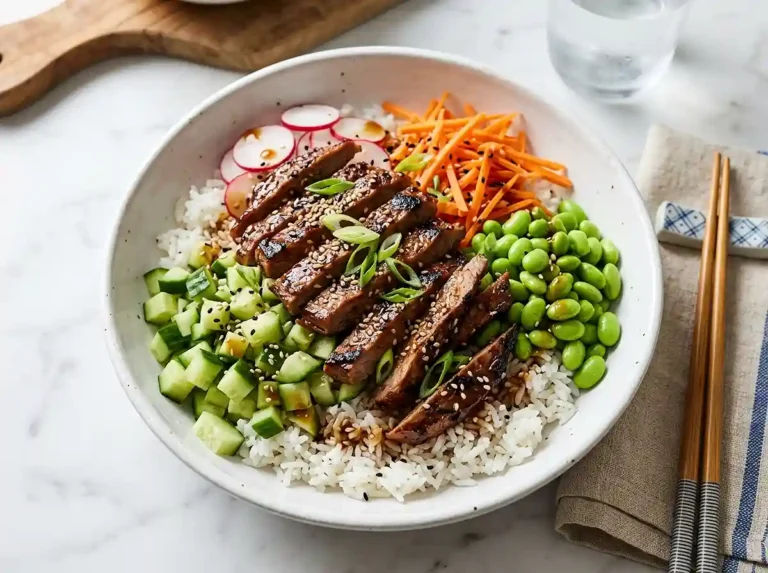
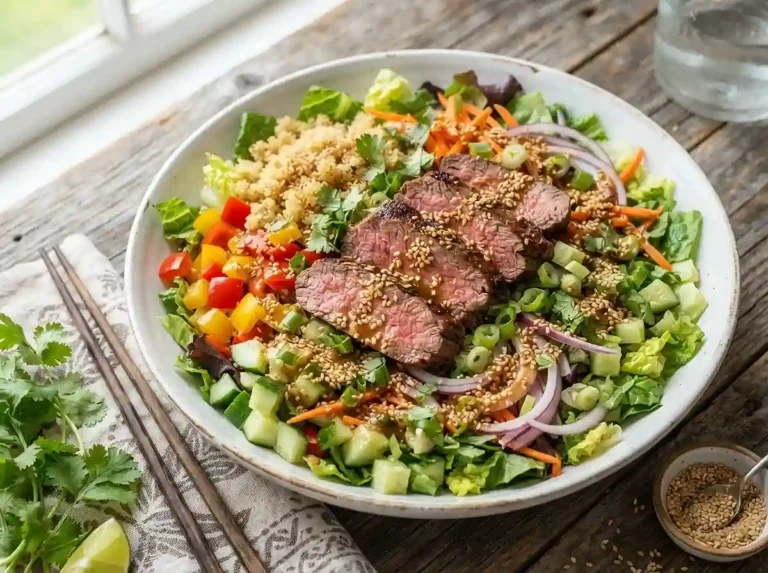
The first time I threw together a Korean BBQ Beef Slaw Salad on a whim after a backyard cookout, I knew it was something special.
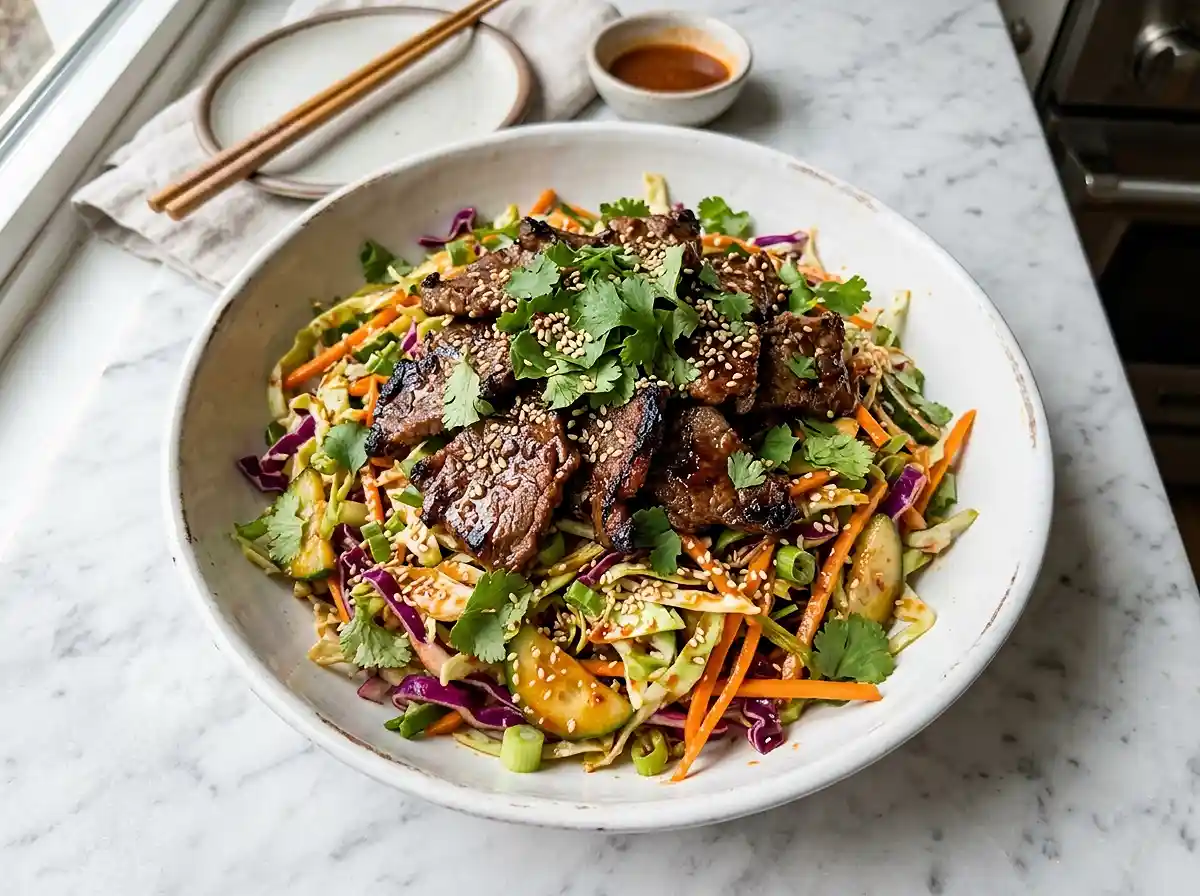
Tender bulgogi-style beef, crisp shredded cabbage, and a punchy gochujang dressing — every forkful delivers bold, layered flavor that feels both fresh and deeply satisfying.
What makes this salad different from your average slaw? It’s that smoky, caramelized beef mingling with cool crunchy vegetables and a dressing that bites back in the best possible way. Honestly, it hits every note you want at a summer barbecue or a weeknight dinner table.
Whether you’re planning a Memorial Day spread or just tired of boring salads, this recipe delivers restaurant-worthy results in under 30 minutes. The colors alone — deep purple cabbage, bright orange carrots, vivid green onions — make it the prettiest bowl on the table.
Table of Contents
Ingredients
| Category | Ingredient | Amount | Notes |
|---|---|---|---|
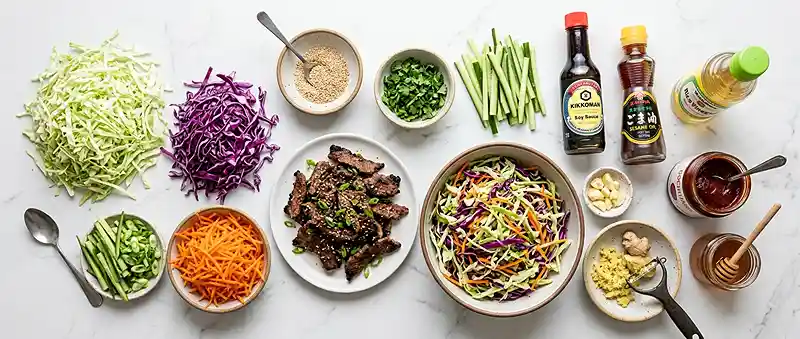
| Slaw Base | Shredded green cabbage | 4 cups | Napa cabbage works beautifully too |
| Slaw Base | Shredded red cabbage | 2 cups | Adds color and mild sweetness |
| Slaw Base | Shredded carrots | 1 cup | Pre-shredded bag saves time |
| Slaw Base | Cucumber, julienned | 1 cup | English cucumber preferred, seeds removed |
| Slaw Base | Green onions, sliced | ½ cup | Both white and green parts |
| Protein | Cooked Korean BBQ beef (bulgogi-style), sliced | 2 cups | Leftover beef works perfectly here |
| Dressing | Sesame oil | 2 tbsp | Toasted sesame oil for deeper flavor |
| Dressing | Rice vinegar | 2 tbsp | Unseasoned; apple cider vinegar works too |
| Dressing | Soy sauce | 1 tbsp | Tamari for gluten-free version |
| Dressing | Gochujang (Korean chili paste) | 1 tbsp | Reduce to 1 tsp for mild heat |
| Dressing | Honey | 1 tbsp | Maple syrup for vegan option |
| Dressing | Fresh ginger, grated | 1 tsp | Ground ginger (½ tsp) in a pinch |
| Dressing | Garlic cloves, minced | 2 cloves | ½ tsp garlic powder if needed |
| Garnish | Sesame seeds | 1 tbsp | Toasted for extra nuttiness |
| Garnish | Fresh cilantro or parsley | ¼ cup | Optional; omit if not preferred |
How to Make Korean BBQ Beef Slaw Salad
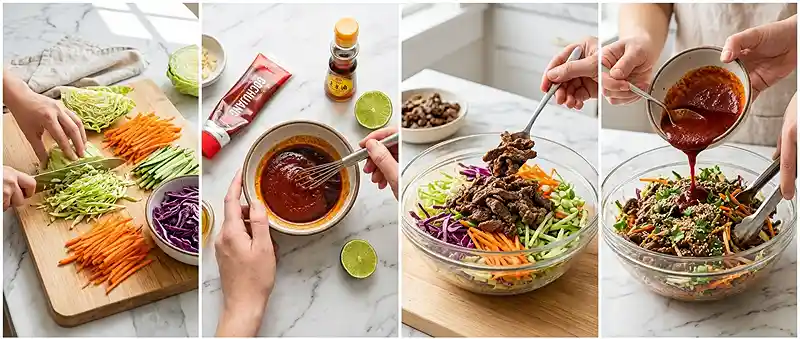
Combine the green cabbage, red cabbage, shredded carrots, julienned cucumber, and sliced green onions in a large bowl. Give everything a gentle toss with your hands so the colors start to swirl together like a vibrant mosaic.
In a small bowl, whisk together the sesame oil, rice vinegar, soy sauce, gochujang, honey, grated ginger, and minced garlic. Whisk until the mixture is completely smooth and the gochujang has fully dissolved — you’ll notice the dressing turn a gorgeous deep amber-red.
Add the sliced Korean BBQ beef directly to the vegetable mixture. In my testing, I found that slightly warm beef absorbs the dressing far better than cold beef straight from the fridge, so let it rest at room temperature for 5 minutes first.
Pour the dressing over the slaw and toss well, making sure every strand of cabbage gets coated. The dressing clings to the vegetables like a light, glossy lacquer — that’s your sign it’s well combined.
Sprinkle sesame seeds and fresh cilantro or parsley over the top. The sesame seeds add a gentle, nutty crunch that plays off the tender beef beautifully.
Chill for 10–15 minutes before serving if time allows. After making this dozens of times, I’ve found that even a short rest lets the cabbage soften slightly and the flavors meld into something far more cohesive and delicious.
Substitutions and Variations
For a high-protein korean beef salad variation, double the beef and add a soft-boiled egg on top. The creamy yolk acts as a natural sauce that enriches every bite without any extra effort.
Want a fully vegan version of this bbq beef salad? Swap the beef for crispy baked tofu or roasted portobello mushroom strips marinated in soy sauce, sesame oil, and gochujang. Replace the honey with maple syrup and you’re set.
For a gluten-free slaw salad, use tamari instead of soy sauce and double-check that your gochujang brand is certified gluten-free. Most traditional Korean brands are, but it’s worth checking the label.
You can also bulk up this salad with steamed edamame, thinly sliced sugar snap peas, or a handful of rice noodles for a more substantial main dish. It’s as flexible as your fridge allows. Pair it alongside a bowl of zesty grinder-style pasta salad for an impressive summer spread.
Expert Tips for the Best Results
The biggest enemy of a great slaw salad is excess moisture. Salt your cucumber lightly and let it sit in a colander for 10 minutes before adding it to the bowl. In my testing, this single step prevents a watery, diluted dressing every single time.
If your gochujang dressing tastes flat, it almost always needs more acid. Add rice vinegar one teaspoon at a time and taste as you go. The brightness wakes up every other flavor in the bowl immediately.
For meal prep, keep the dressing and vegetables completely separate until ready to serve. According to food safety guidance from the FDA’s safe food handling guidelines, dressed salads should be consumed within 2 hours at room temperature.
Shred your cabbage as thin as possible for the best texture. A mandoline slicer or the shredding disc on a food processor makes this effortless and produces those delicate, restaurant-style ribbons that hold the dressing so well.
Storage and Meal Prep
| Component | Storage Method | Duration |
|---|---|---|
| Assembled dressed salad | Airtight container in refrigerator | Up to 1 day (texture softens) |
| Undressed slaw vegetables | Airtight container in refrigerator | 3–4 days |
| Gochujang dressing | Sealed jar in refrigerator | Up to 1 week |
| Cooked Korean BBQ beef | Airtight container in refrigerator | 3–4 days |
| Cooked Korean BBQ beef | Freezer-safe bag | Up to 2 months |
For the best meal prep strategy, store the slaw vegetables, beef, and dressing in three separate containers. Assemble each serving fresh throughout the week. This keeps everything crisp and vibrant instead of wilted and soggy.
The gochujang dressing actually improves after a day in the fridge as the garlic and ginger mellow and deepen. Make a double batch on Sunday and use it all week over grain bowls, wraps, or even as a dipping sauce for dumplings. You can also find inspiration in our make-ahead chopped veggie salad guide for more smart prep ideas.
Serving Suggestions
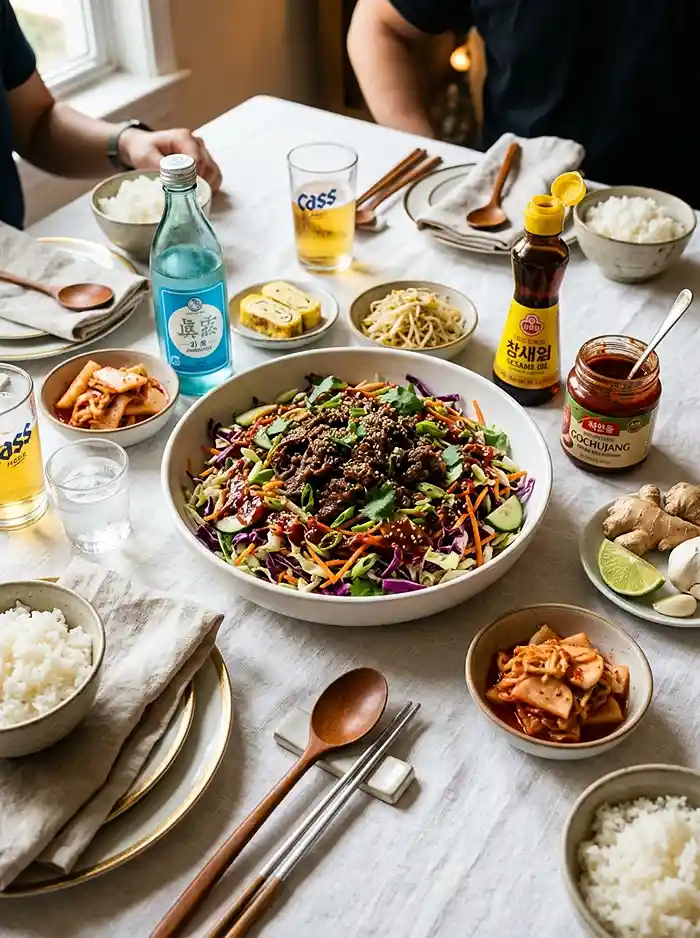
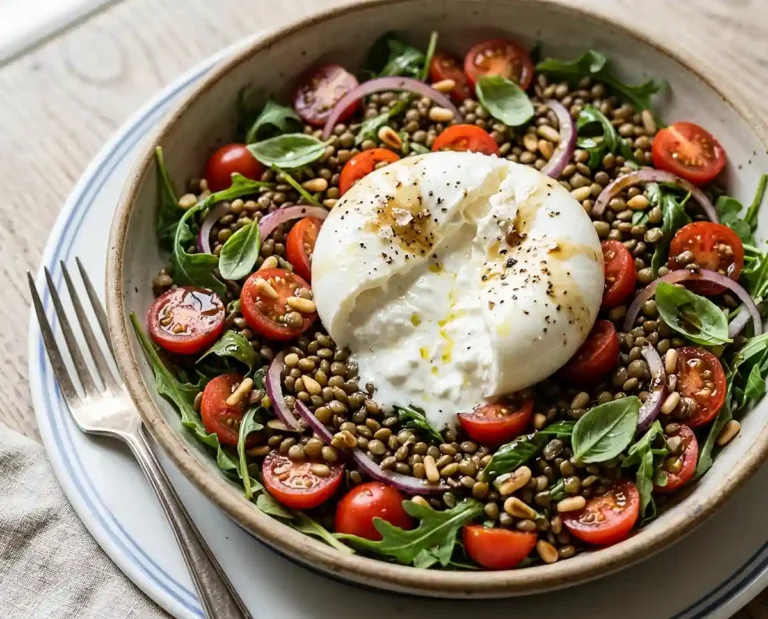
This Korean BBQ Beef Slaw Salad shines as a standalone main dish, but it also pairs wonderfully with steamed jasmine rice or crispy wonton cups for a fun appetizer format. Serve it alongside a light, fruit-forward dessert like our nectarine burrata pistachio salad for a stunning summer dinner menu.
For entertaining, set up a build-your-own slaw bar with the components in separate bowls. Guests can customize their heat level and toppings, which makes this recipe a guaranteed crowd-pleaser at any gathering.
FAQs About Korean BBQ Beef Slaw Salad
What is Korean barbecue slaw?
Korean barbecue slaw is a crunchy, flavor-packed salad made from shredded cabbage and vegetables tossed with a bold dressing featuring gochujang, sesame oil, soy sauce, and rice vinegar. It often includes Korean BBQ beef like bulgogi for a hearty, complete dish.
What salad goes with Korean beef?
A crisp slaw salad is the ideal pairing for Korean beef. The cool, crunchy vegetables and tangy dressing balance the rich, caramelized flavors of the meat perfectly. This Korean BBQ Beef Slaw Salad is specifically designed for exactly that combination.
What is the salad that comes with Korean BBQ?
Traditional Korean BBQ is typically served with banchan, which are small side dishes that often include seasoned spinach, kimchi, pickled radish, and simple vegetable salads. This slaw salad is a Western-style interpretation inspired by those fresh, bold flavors.
What do you eat Korean barbecue beef with?
Korean barbecue beef is delicious with steamed rice, lettuce wraps, pickled vegetables, and fresh salads like this bbq beef salad. It also pairs beautifully with glass noodles, kimchi, and simple cucumber side dishes for a full Korean-inspired spread.
Make It, Save It, Share It
Well, there you have it — a Korean BBQ Beef Slaw Salad that’s bold, fresh, and endlessly adaptable. Make it once and it will absolutely earn a permanent spot in your rotation.
Save this recipe to Pinterest so it’s easy to find on busy weeknights, and drop a comment below to let me know how yours turned out. Did you add a twist? I’d love to hear about it!
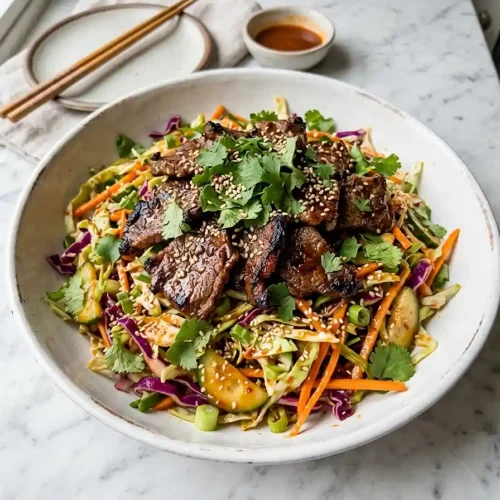
Korean BBQ Beef Slaw Salad
Equipment
- Large mixing bowl
- Small mixing bowl
- Whisk
- Mandoline Slicer or Sharp Knife
- Colander
Ingredients
Slaw Base
- 4 cups Shredded green cabbage Napa cabbage works beautifully too
- 2 cups Shredded red cabbage Adds color and mild sweetness
- 1 cup Shredded carrots Pre-shredded bag saves time
- 1 cup Cucumber, julienned English cucumber preferred, seeds removed
- 0.5 cup Green onions, sliced Both white and green parts
Protein
- 2 cups Cooked Korean BBQ beef (bulgogi-style), sliced Leftover beef works perfectly here
Dressing
- 2 tbsp Sesame oil Toasted sesame oil for deeper flavor
- 2 tbsp Rice vinegar Unseasoned; apple cider vinegar works too
- 1 tbsp Soy sauce Tamari for gluten-free version
- 1 tbsp Gochujang (Korean chili paste) Reduce to 1 tsp for mild heat
- 1 tbsp Honey Maple syrup for vegan option
- 1 tsp Fresh ginger, grated Ground ginger (½ tsp) in a pinch
- 2 Garlic cloves, minced ½ tsp garlic powder if needed
Garnish
- 1 tbsp Sesame seeds Toasted for extra nuttiness
- 0.25 cup Fresh cilantro or parsley Optional; omit if not preferred
Instructions
- Combine the green cabbage, red cabbage, shredded carrots, julienned cucumber, and sliced green onions in a large bowl. Give everything a gentle toss with your hands so the colors start to swirl together like a vibrant mosaic.
- In a small bowl, whisk together the sesame oil, rice vinegar, soy sauce, gochujang, honey, grated ginger, and minced garlic. Whisk until completely smooth and the gochujang has fully dissolved — the dressing will turn a gorgeous deep amber-red.
- Add the sliced Korean BBQ beef directly to the vegetable mixture. For best results, let the beef rest at room temperature for 5 minutes before adding — slightly warm beef absorbs the dressing far better than cold beef straight from the fridge.
- Pour the dressing over the slaw and toss well, making sure every strand of cabbage gets coated. The dressing should cling to the vegetables like a light, glossy lacquer — that’s your sign it’s well combined.
- Sprinkle sesame seeds and fresh cilantro or parsley over the top.
- Chill for 10–15 minutes before serving to allow the flavors to meld, or serve immediately if preferred.