Harvest Salad with Lemon Thyme Dressing
Master this Harvest Salad with Lemon Thyme Dressing featuring roasted veggies, goat cheese, and a bright herb dressing. Perfect for fall gatherings and easy weeknight dinners!
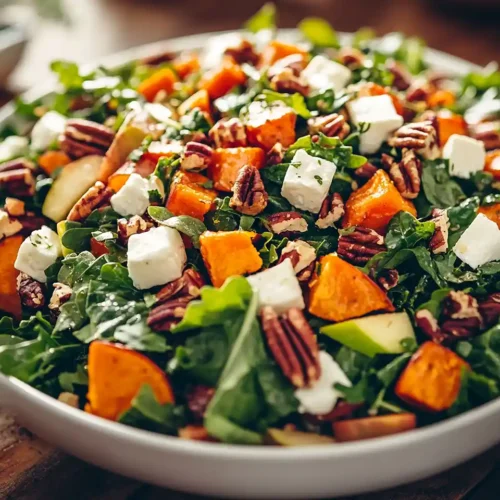
There’s something about autumn that makes me want to roast everything and pile it onto a plate. Last Thanksgiving, I threw together what became my signature Harvest Salad with Lemon Thyme Dressing—golden roasted sweet potatoes, earthy kale, tender carrots, and that bright, herbaceous dressing that just sings.
You know that feeling when a salad tastes restaurant-quality but comes together in your own kitchen? This herb-filled cabbage and roasted vegetable situation delivers exactly that magic. The lemon thyme dressing ties everything together with fresh citrus, aromatic herbs, and a touch of maple sweetness that honors the season without being heavy.
What I love most is how flexible this harvest salad truly is—you can make it ahead, swap ingredients based on what’s in your garden or farmers market, and it works beautifully warm or at room temperature. It’s the kind of meal that feels special enough for dinner guests but simple enough for a busy weeknight when you need something nourishing and real.
Table of Contents
Harvest Salad with Lemon Thyme Dressing
Equipment
- Rimmed Baking Sheet
- Large skillet
- Mason jar
- Large serving bowl
- Knife and cutting board
- Zester or Microplane
Ingredients
Salad Base
- 4 cups Arugula
- 1 cup Kale stem removed and chopped
- ½ cup Goat cheese crumbles
- 1 large Sweet potato cubed and roasted
- 3 large Carrots sliced and roasted
- ½ Red apple diced
- ½ cup Pecans toasted
- 1 tablespoon Maple syrup for pecans
- ⅓ cup Fresh mint torn
Lemon Thyme Dressing
- 2 teaspoons Dijon mustard
- 1 large Garlic clove minced
- 1 Lemon juiced and zested
- ¼ cup Apple cider vinegar
- 1 tablespoon Maple syrup or honey
- 1½ tablespoons Fresh thyme chopped
- ½ teaspoon Salt
- 1 teaspoon Black pepper
- 1 cup Olive oil
Instructions
- Preheat your oven to 400°F. Toss your sliced sweet potato and carrot slices with a light coating of olive oil, then spread them across a rimmed baking sheet in a single layer. Roast for about 30 minutes, stirring halfway through, until the edges are caramelized and everything is tender enough to pierce easily with a fork. Remove from the oven and let cool completely.
- While your vegetables cool, warm a dry skillet over medium heat and add your pecan halves. Toast for 2–3 minutes, stirring occasionally, until they’re fragrant and golden brown. Remove from heat immediately, then toss with the maple syrup until each pecan glistens with a thin, glossy coat.
- Pour the Dijon mustard, minced garlic, fresh lemon juice and zest, apple cider vinegar, maple syrup, chopped fresh thyme, salt, and pepper into a large mason jar with a tight-fitting lid. Slowly add the olive oil, then seal the lid firmly and shake vigorously for about 20 seconds. The dressing should emulsify into a silky, herbaceous blend with visible flecks of thyme and bright citrus notes.
- In your largest serving bowl, combine the arugula, chopped kale, cooled roasted vegetables, diced red apple, maple-glazed pecans, goat cheese crumbles, and fresh torn mint. Drizzle generously with your lemon thyme dressing and toss everything together gently but thoroughly, making sure every leaf and vegetable gets coated. Serve immediately while the roasted vegetables are still slightly warm and the greens maintain their bright, crisp texture.
Notes
Harvest Salad with Lemon Thyme Dressing Ingredients

| Ingredient | Amount |
|---|---|
| Arugula | 4 cups |
| Kale (stem removed and chopped) | 1 cup |
| Goat cheese crumbles | ½ cup |
| Sweet potato (cubed and roasted) | 1 large |
| Carrots (sliced and roasted) | 3 large |
| Red apple (diced) | ½ |
| Pecans | ½ cup |
| Maple syrup | 1 tablespoon |
| Fresh mint (torn) | ⅓ cup |
| Lemon Thyme Dressing: | |
| Dijon mustard | 2 teaspoons |
| Garlic clove (minced) | 1 large |
| Lemon (juiced and zested) | 1 |
| Apple cider vinegar | ¼ cup |
| Maple syrup or honey | 1 tablespoon |
| Fresh thyme (chopped) | 1½ tablespoons |
| Salt | ½ teaspoon |
| Black pepper | 1 teaspoon |
| Olive oil | 1 cup |
Harvest Salad with Lemon Thyme Dressing Instructions
Step 1: Roast Your Vegetables
Preheat your oven to 400°F. Toss your sliced sweet potato and carrot slices with a light coating of olive oil, then spread them across a rimmed baking sheet in a single layer. Roast for about 30 minutes, stirring halfway through, until the edges are caramelized and everything is tender enough to pierce easily with a fork. Remove from the oven and let cool completely—this prevents the raw greens from wilting when you assemble the salad.
Step 2: Toast the Pecans with Maple Glaze
While your vegetables cool, warm a dry skillet over medium heat and add your pecan halves. Toast for 2–3 minutes, stirring occasionally, until they’re fragrant and golden brown—as aromatic and inviting as autumn itself. Remove from heat immediately, then toss with the maple syrup until each pecan glistens with a thin, glossy coat.
Step 3: Build Your Lemon Thyme Dressing
Pour the Dijon mustard, minced garlic, fresh lemon juice and zest, apple cider vinegar, maple syrup, chopped fresh thyme, salt, and pepper into a large mason jar with a tight-fitting lid. Slowly add the olive oil, then seal the lid firmly and shake vigorously for about 20 seconds. The dressing should emulsify into a silky, herbaceous blend with visible flecks of thyme and bright citrus notes.
Step 4: Assemble and Finish
In your largest serving bowl, combine the arugula, chopped kale, cooled roasted vegetables, diced red apple, maple-glazed pecans, goat cheese crumbles, and fresh torn mint. Drizzle generously with your lemon thyme dressing and toss everything together gently but thoroughly, making sure every leaf and vegetable gets coated. Serve immediately while the roasted vegetables are still slightly warm and the greens maintain their bright, crisp texture.

Substitutions for Cabbage Salad With Herbs
Roasted Vegetable Swaps
You can absolutely swap the sweet potato and carrots for roasted beets, parsnips, or Brussels sprouts—whatever harvest vegetables are calling to you. This herb-filled cabbage dish structure welcomes seasonal produce beautifully, so think of the vegetables as starting points rather than strict requirements.
Greens Flexibility
While arugula and kale provide wonderful peppery-to-earthy contrast, red cabbage salad recipes work equally well here, or try mixing in fresh spinach, watercress, or romaine. The key is including enough leafy greens to balance the roasted vegetables and creamy cheese.
Cheese Alternatives
Crumbly feta, aged cheddar, or crispy chickpeas offer different flavor profiles if goat cheese isn’t your preference. Each choice brings its own richness or textural contrast to this harvest salad.
Nut Variations
Toasted walnuts, candied almonds, or sunflower seeds deliver similar crunch and toasted depth as the pecans. Make sure whatever you choose is actually toasted—raw nuts won’t give you that warm, caramelized flavor.
If you’re interested in other garden-fresh recipes, check out our cucumber caprese salad for another beautiful way to showcase seasonal produce and fresh herbs. You’ll also love our apple feta spinach salad, which offers a different take on harvest-time ingredients and sweet-savory flavor combinations.
Troubleshooting Tips on Harvest Salad with Lemon Thyme Dressing
Dressing Too Acidic?
If your lemon thyme dressing tastes sharper than you’d like, add another tablespoon of maple syrup or honey to balance the vinegar. The sweetness shouldn’t dominate, but it smooths out aggressive citrus notes beautifully.
Soggy Greens by Service Time?
Assemble your salad components separately and dress just before serving, especially if you’re making this ahead for a gathering. The arugula and kale will stay crisp and vibrant when they meet the dressing moments before people eat.
Roasted Vegetables Too Soft?
If your sweet potatoes and carrots are falling apart, they’ve roasted a bit too long. Aim for 25–28 minutes instead, and check at the 20-minute mark—oven temperatures vary widely. You want tender, caramelized edges but still-intact pieces.
Dressing Separates While Sitting?
This is completely normal and nothing to worry about. Simply shake the jar vigorously again right before serving, and your lemon thyme dressing will re-emulsify beautifully thanks to the mustard acting as a natural binder.
Storage For Red Cabbage Salad With Nuts And Herbs
Keeping Everything Fresh
Store your assembled harvest salad in a covered container in the refrigerator for up to 24 hours, though flavors and textures are brightest within a few hours of assembly. Keep your lemon thyme dressing in a separate sealed jar for up to 5 days—shake well before using.
Make-Ahead Magic
You can roast your vegetables up to 2 days ahead, toast your pecans earlier in the day, and prep your dressing the night before. Just wash and dry your arugula and kale separately, then assemble everything with a drizzle of fresh dressing right before serving for maximum crispness.
Serving Suggestions

Serve this harvest salad as a substantial lunch alongside crusty bread and fresh cheese, or pair it with roasted chicken, grilled salmon, or herb-crusted pork chops for a complete meal. It also shines as a colorful side dish at fall gatherings—the bright greens and golden roasted vegetables make every plate feel special.
Variations and Dietary Adjustments
Adding Extra Protein
Well, you can absolutely toss in grilled chicken breast, crispy chickpeas, or a soft-poached egg to transform this from a side salad into a hearty main course. The herbaceous dressing and roasted vegetables provide wonderful support for proteins of all kinds.
Grain-Based Twist
Add cooked farro, wild rice, or quinoa to make this harvest salad even more filling and substantial. The grains soak up that bright lemon thyme dressing and add earthiness that complements the roasted vegetables perfectly.
Dairy-Free Option
Skip the goat cheese and add extra toasted nuts, seeds, or crispy chickpeas for richness and texture. A drizzle of tahini mixed into your dressing also adds creaminess without any dairy involved.
FAQs About Harvest Salad with Lemon Thyme Dressing
Can I make this Harvest Salad with Lemon Thyme Dressing ahead of time?
You can prep all components separately 24 hours in advance—roast vegetables, toast pecans, make your dressing, and wash greens. Assemble and dress the salad just before serving to maintain crispness and prevent the greens from becoming wilted.
How do I know when my roasted vegetables are perfectly done?
Pierce them with a fork—they should be tender all the way through but still holding their shape, not falling apart. The edges should show light browning and caramelization, creating sweet, concentrated flavor in every bite.
What’s the best way to store fresh thyme for my herb dressing?
Wrap fresh thyme sprigs in a damp paper towel and place in a plastic bag in your refrigerator crisper drawer—it’ll stay fresh for about two weeks. For longer storage, chop it finely and freeze in ice cube trays with a little water or oil.
Why should I use fresh thyme instead of dried in this dressing?
Fresh thyme brings brightness and aromatic complexity that dried herbs simply can’t replicate, especially when combined with lemon. The fresh herb flavor sings in vinaigrette-based dressings, while dried thyme tends to taste muted and dusty.
Best way to remove kale stems without wasting the leaves?
Hold the kale leaf stem-side up, pinch the stem near the base, and pull your fingers upward toward the leafy top—the leaves will strip away cleanly. You can save those stems for vegetable stock or skip them entirely if you prefer.
Can I use bottled lemon juice instead of fresh?
Fresh lemon juice is really worth seeking out here, but if you’re in a pinch, bottled works. Just use slightly less since bottled is more concentrated, and add a tiny pinch of zest if you have fresh lemon on hand for that bright, citrusy note.
Final Notes

This harvest salad with lemon thyme dressing isn’t just a recipe—it’s an invitation to slow down, celebrate seasonal ingredients, and create something that tastes like a warm, herb-scented hug on a plate. The beauty of this formula is its flexibility: adapt it to what’s growing in your garden or available at your farmers market.
Maybe you’ll add pomegranate seeds for extra tartness, or swap the pecans for toasted walnuts. The foundation is solid, which means you’re free to create your own autumn masterpiece. Enjoy every bite, and happy harvesting.
For science-backed guidance on preserving fresh herbs and maintaining their nutritional benefits, the USDA’s comprehensive food storage guidance provides evidence-based recommendations for keeping your fresh thyme and other delicate herbs at peak freshness.
We also recommend authoritative nutrition research on antioxidants in fresh herbs from peer-reviewed sources, which highlights why fresh thyme and other herbs deserve a prominent place in your cooking.