Healthy Fall Salad
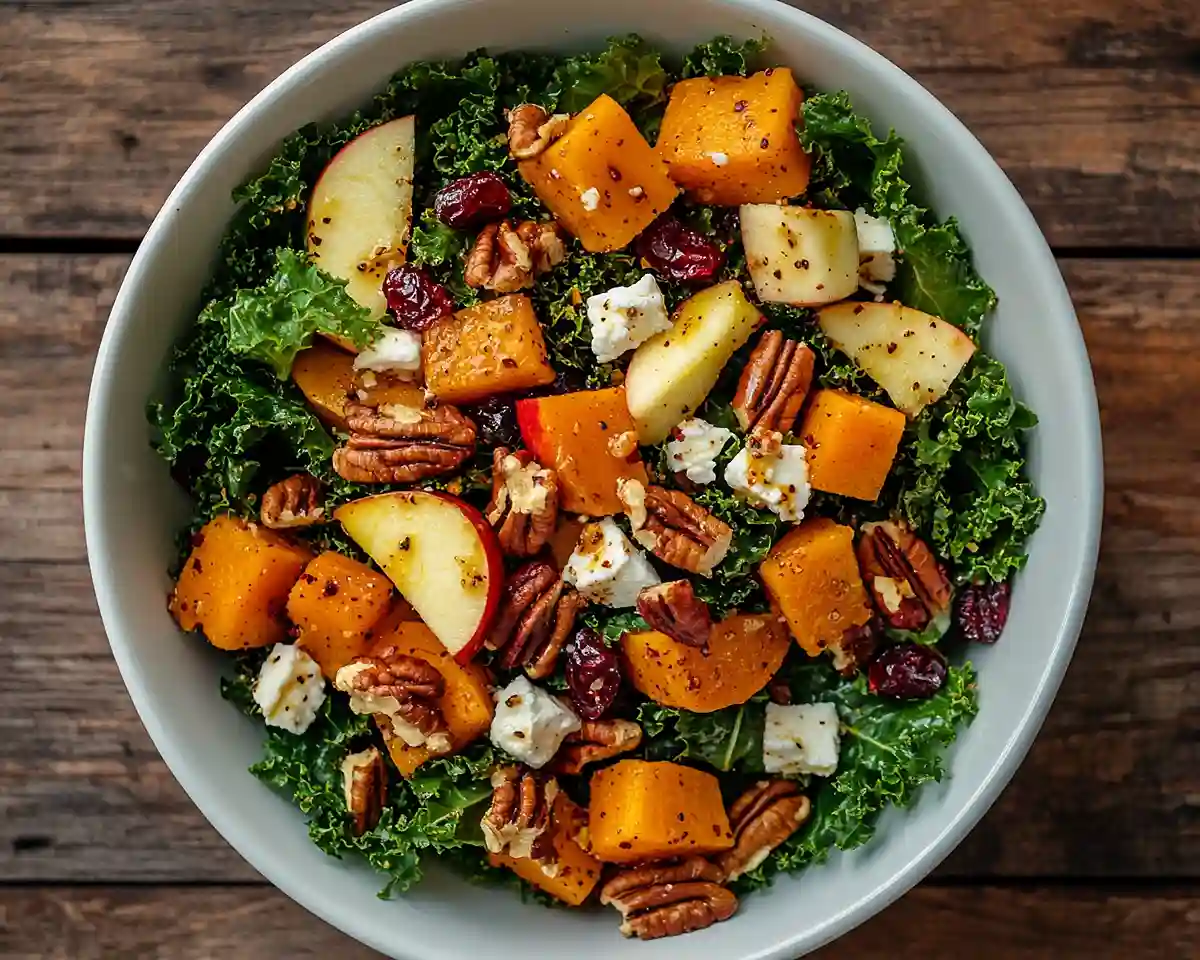
Discover this nourishing healthy fall salad featuring roasted butternut squash, crispy kale & creamy feta. Perfect for meal prep and weeknight dinners.
You know that feeling when fall arrives and you’re suddenly craving something warm yet refreshing? Well, this healthy fall salad is exactly what I reach for when I want to celebrate the season without spending hours in the kitchen. It’s become my go-to dish for holiday gatherings—whether I’m bringing it to Thanksgiving or Sunday dinner—because it feels special enough for company yet simple enough to whip up on a busy Tuesday.
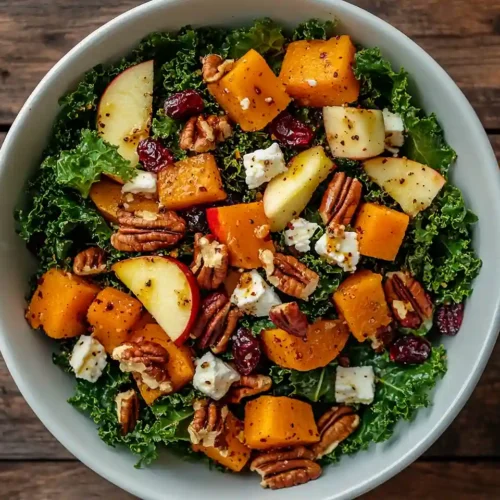
What I love most about this fall feta salad is how it plays with contrasts: tender roasted butternut squash meets peppery kale, crisp apple slices partner with creamy feta, and everything comes together with the most golden, warming apple cider vinaigrette.
Can a salad really feel like comfort food? Absolutely—and this one proves it. Every component brings something special to the plate, and when you massage those kale leaves with a little dressing first, they transform into something tender and inviting rather than tough and bitter.
Table of Contents
Healthy Fall Salad Recipe
Equipment
- Baking sheet
- Large salad bowl
- Mason jar
- Knife
- Cutting board
Ingredients
Main Salad
- 1 whole Butternut squash peeled, seeded, and diced
- 0.5 tablespoon Olive oil or oil of choice
- Salt and freshly ground pepper to taste
- 0.5 cup Quinoa or rice
- 2 cups Fresh kale leaves chopped
- 2 small Apples, pears, or figs sliced or diced
Toppings
- 0.25 cup Dried cranberries
- 0.25 cup Pecans roughly chopped
- 0.33 cup Reduced-fat feta cheese crumbled
- 2 tablespoon Mixed nuts or seeds
Apple Cider Vinaigrette
- 3 tablespoon Extra virgin olive oil
- 2 tablespoon Apple cider vinegar
- 1 tablespoon Maple syrup or honey
- 1.5 teaspoon Dijon mustard
- 1 clove Garlic minced
Instructions
- Preheat your oven to 400°F (200°C). Toss your diced butternut squash with olive oil, then sprinkle generously with salt and pepper on a baking sheet. Roast for about 16 minutes, flipping halfway through, until the edges are caramelized and the flesh is fork-tender. Let it cool completely before adding to your salad.
- Bring water to a boil and add your quinoa (or rice), following package instructions for the standard 1:2 ratio. Once cooked, spread it on a clean plate or shallow bowl to cool completely. This prevents the warm grain from wilting your delicate greens later.
- Combine all vinaigrette ingredients in a mason jar: extra virgin olive oil, apple cider vinegar, maple syrup, Dijon mustard, and minced garlic. Screw the lid on tight and shake vigorously for about 30 seconds until the mixture emulsifies into a golden dressing. Taste and adjust sweetness or tanginess to your preference.
- Add your chopped kale to a large salad bowl and drizzle with half of your apple cider vinaigrette. Using your hands, massage the kale gently but firmly for about one minute, working the dressing into every leaf. You’ll feel the kale soften and watch it darken slightly as it becomes tender.
- Add the cooled quinoa, roasted butternut squash, fresh apple slices, and remaining toppings (cranberries, pecans, crumbled feta, and nuts or seeds) to the kale. Pour the remaining vinaigrette over everything and toss gently until every element is coated with that golden dressing.
- Serve immediately for the crispest texture, or let it sit for 10 minutes if you prefer flavors to meld together more fully.
Notes
Ingredients For Healthy Fall Salad

| Ingredient | Amount |
|---|---|
| Butternut squash (peeled, seeded, diced) | 1 whole squash |
| Olive oil | ½ tablespoon |
| Salt and freshly ground pepper | To taste |
| Quinoa or rice | ½ cup |
| Fresh kale leaves (chopped) | 2 cups |
| Apples, pears, or figs (sliced or diced) | 2 small |
Toppings:
| Ingredient | Amount |
|---|---|
| Dried cranberries | ¼ cup |
| Pecans (roughly chopped) | ¼ cup |
| Reduced-fat feta cheese (crumbled) | ⅓ cup |
| Mixed nuts or seeds | 2 tbsp |
For the Apple Cider Vinaigrette:
| Ingredient | Amount |
|---|---|
| Extra virgin olive oil | 3 tbsp |
| Apple cider vinegar | 2 tbsp |
| Maple syrup or honey | 1 tbsp |
| Dijon mustard | 1.5 tsp |
| Garlic clove (minced) | 1 |
Instructions For Healthy Fall Salad
Step 1: Roast the Butternut Squash
Preheat your oven to 400°F (200°C). Toss your diced butternut squash with olive oil, then sprinkle generously with salt and pepper on a baking sheet. Roast for about 16 minutes, flipping halfway through, until the edges are caramelized and the flesh is fork-tender. The color should deepen to a gorgeous golden-bronze—as rich and warm as sunset light filtering through autumn leaves.
Let it cool completely before adding to your salad so it maintains its shape and texture.
Step 2: Cook the Quinoa
Bring water to a boil and add your quinoa (or rice if you prefer), following package instructions for the standard 1:2 ratio. Once cooked, spread it on a clean plate or shallow bowl to cool completely. This step prevents the warm grain from wilting your delicate greens later.
Step 3: Create Your Apple Cider Vinaigrette
Combine all vinaigrette ingredients in a mason jar: extra virgin olive oil, apple cider vinegar, maple syrup, Dijon mustard, and minced garlic. Screw the lid on tight and shake vigorously for about 30 seconds until the mixture emulsifies into a beautiful golden dressing. You’ll notice the mustard helps bind everything together beautifully.
Taste and adjust the sweetness or tanginess to your preference—this is your dressing, so make it exactly how you love it.
Step 4: Massage the Kale
This is the secret step that transforms tough kale into something tender and inviting. Add your chopped kale to a large salad bowl and drizzle with half of your apple cider vinaigrette. Using your hands (this is the fun part!), massage the kale gently but firmly for about one minute, working the dressing into every leaf. You’ll feel the kale soften under your fingers and watch it darken slightly.
The kale becomes wilted in the best way—tender but still crisp at the edges, like perfectly broken-in linen fabric.

Step 5: Assemble Your Fall Salad
Add the cooled quinoa, roasted butternut squash, fresh apple slices, and remaining toppings (cranberries, pecans, crumbled feta, and your choice of nuts or seeds) to the kale. Pour the remaining vinaigrette over everything and toss gently until every element is coated with that gorgeous golden dressing.
Serve immediately for the crispest texture, or let it sit for 10 minutes if you prefer flavors to meld together more fully.
Helpful Substitutions for Your Healthy Fall Salad
Swap the Grain Base
Not a quinoa person? Brown rice, farro, wild rice, or even cooked lentils work beautifully in this autumn quinoa salad recipe. Each brings different texture and protein levels—lentils add extra fiber and earthiness, while farro provides a pleasant chew. Choose whatever grain feels right for your kitchen and pantry.
Replace the Feta
If dairy isn’t your thing, this fall feta salad is equally delicious with crumbled goat cheese, shredded cheddar, or a vegan ricotta. For a completely dairy-free version, simply add more nuts and seeds for that creamy, textured element you’re looking for.
Fruit Flexibility
Fresh pears, ripe figs, or tart Granny Smith apples all work wonderfully here. In a pinch, dried apricots or fresh pomegranate seeds add brightness and chew. The key is choosing something with enough acidity or sweetness to complement the earthy roasted squash.
Nut Alternatives
Can’t do tree nuts? Sunflower seeds, pumpkin seeds, or hemp seeds provide the same satisfying crunch and nutritional benefit. Toast them lightly in a dry skillet first for extra depth of flavor.
Discover how to make simple salad dressing tutorials that complement seasonal ingredients perfectly. If you love this recipe, you might also enjoy our high-protein lunch salad options for when you want extra filling power.
Troubleshooting Your Healthy Fall Salad
My Kale Still Feels Tough
Massage it longer than you think you need to—aim for a full 90 seconds rather than 30 seconds. The longer you massage with the dressing, the more it breaks down the cellulose that makes kale chewy. You should feel a noticeable difference in texture under your fingers.
The Salad Tastes Bland
Add more Dijon mustard or apple cider vinegar to your dressing—these ingredients carry the most flavor punch. You can also adjust the salt level; a pinch more sea salt often brightens up every element on the plate. Taste and adjust before serving rather than after.
My Squash Came Out Mushy
This usually means you sliced the pieces too small or roasted them too long. Next time, aim for uniform ¾-inch cubes and set a timer for exactly 16 minutes. Every oven is different, so check at the 12-minute mark to see how yours is progressing.
The Vinaigrette Separates
This is completely normal and actually makes the salad easier to digest. Simply shake the jar before each serving, or accept the beautiful separation—you’ll get bites with more oil, then bites with more vinegar. Both are delicious.
Storage & Meal Prep Tips For Your Healthy Fall Salad
Storing Your Salad
Keep the dressed salad in an airtight container in the refrigerator for up to 2 days, though it’s genuinely best eaten the day you make it when everything is at peak crispness. If your salad does soften slightly, don’t worry—it’s still nourishing and delicious, just with a different (softer) texture.
Meal Prep Strategy
To prepare this healthy fall salad ahead of time, store the kale, roasted squash, cooked grain, and other components in separate containers. Keep the vinaigrette in a jar by itself. On the morning you want to eat, massage the kale with half the dressing, then assemble everything together just before lunch or dinner. This approach keeps everything fresher and crispier than pre-dressing the entire salad.
Serving Suggestions & Pairings

This fall salad recipe makes a stunning main course for lunch or a sophisticated side dish for dinner. Serve it at room temperature as part of a holiday spread, or enjoy it warm by adding the roasted squash and quinoa while still slightly warm for extra comfort-food vibes.
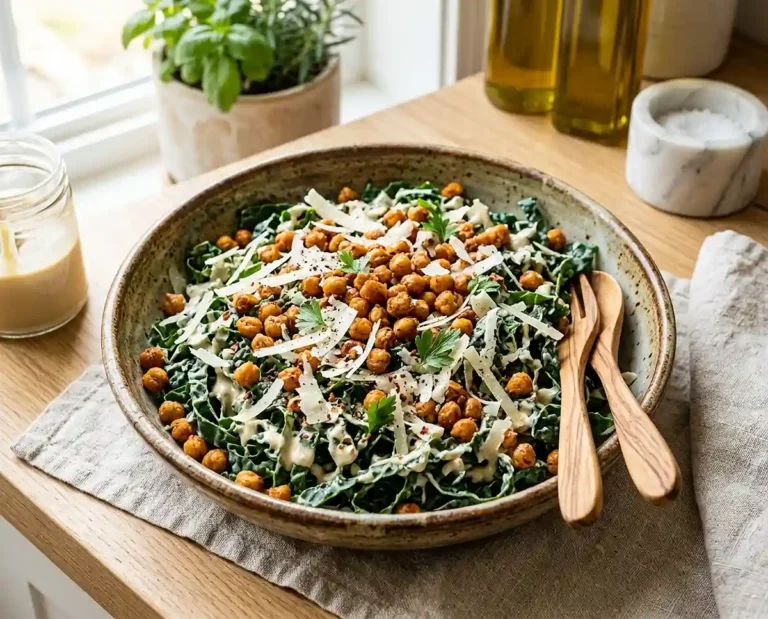
Pair this autumn quinoa salad with crusty bread and a simple grilled protein like salmon, chicken breast, or crispy chickpeas for a complete meal. It’s also gorgeous alongside roasted vegetables, which echo those warm fall flavors beautifully.
Variations & Dietary Adjustments
Make It Kid-Friendly
Kids often respond better when you skip the raw kale massage and use spinach instead (it’s naturally milder), reduce the cranberries, and chop everything into small, manageable pieces. Many children love the sweet roasted squash and apple combo, so let those flavors shine by keeping the salad simple.
Dairy-Free Version
Simply omit the feta and boost the nuts, seeds, and roasted squash portions instead—you know, really lean into those creamy textures. The maple syrup in the vinaigrette provides a touch of richness, and the olive oil carries plenty of that luxurious mouthfeel without dairy.
Make It Higher in Protein
Add grilled chicken, baked tofu, roasted chickpeas, or a fried egg on top to transform this into a more filling meal. The earthy autumn quinoa salad base works beautifully as a foundation for any protein you love.
Raw Squash Version
For a fresh, lighter take, you can shave raw butternut squash into thin ribbons using a vegetable peeler or mandoline (careful with your fingers!). Toss with the vinaigrette first to soften it slightly, then proceed as normal. This gives you that fresh, crisp quality while maintaining the autumn theme.
FAQs About This Healthy Fall Salad
What is the healthiest salad you can eat?
The healthiest salad combines raw or lightly cooked vegetables, a whole grain or lean protein, and a quality fat like olive oil—exactly what this fall feta salad delivers. Roasted vegetables add nutrients and natural sweetness, while the inclusion of leafy greens, whole grains, and healthy fats creates a nutritionally complete meal.
Can I make this salad ahead for the whole week?
You can prep the components separately and store them in airtight containers for up to 4 days, but I recommend assembling just before eating for maximum crispness. The roasted squash and cooked grain stay fresh beautifully, while the kale is best massaged with dressing closer to eating time.
How do I keep the apples from browning?
Toss your sliced apples with a squeeze of fresh lemon juice immediately after cutting them—the citric acid prevents oxidation. Do this before adding them to the salad, and they’ll stay bright and fresh-looking throughout your meal.
Why does kale need massaging anyway?
Raw kale contains compounds that make it taste bitter and feel tough to many people. Massaging breaks down the cell walls and releases natural juices, creating a more tender leaf that’s also better for digestion. It’s a simple technique that transforms the entire eating experience.
Best way to roast butternut squash evenly?
Cut your squash into uniform-sized pieces (aim for ¾-inch cubes), toss thoroughly with oil and seasoning, and spread in a single layer on your baking sheet. This ensures everything roasts at the same rate rather than some pieces turning mushy while others remain firm.
What’s the difference between this fall feta salad and other autumn salad recipes?
The apple cider vinaigrette is the secret—its blend of tart vinegar, sweet maple syrup, and sharp Dijon mustard creates a dressing that tastes like autumn itself. Combined with the tender kale, warm roasted squash, and creamy feta, you get sophisticated flavors that feel both nourishing and indulgent.
Final Thoughts

This healthy fall salad has earned a permanent spot in my seasonal rotation, and I have a feeling it’ll become yours too. It’s the kind of recipe that feels elegant enough to serve at a dinner party yet simple enough to throw together on a random weeknight when you’re craving something nourishing and real.
The beauty of this fall feta salad is its flexibility—swap out ingredients based on what’s in your farmers market or pantry, adjust the dressing to match your mood, and make it your own. To ensure your produce is perfectly clean before eating, check out this comprehensive produce-washing guide from trusted food safety experts. Every version will be delicious, and that’s the whole point of cooking at home, right?