Mexican Buddha Bowl with Fajita Veg
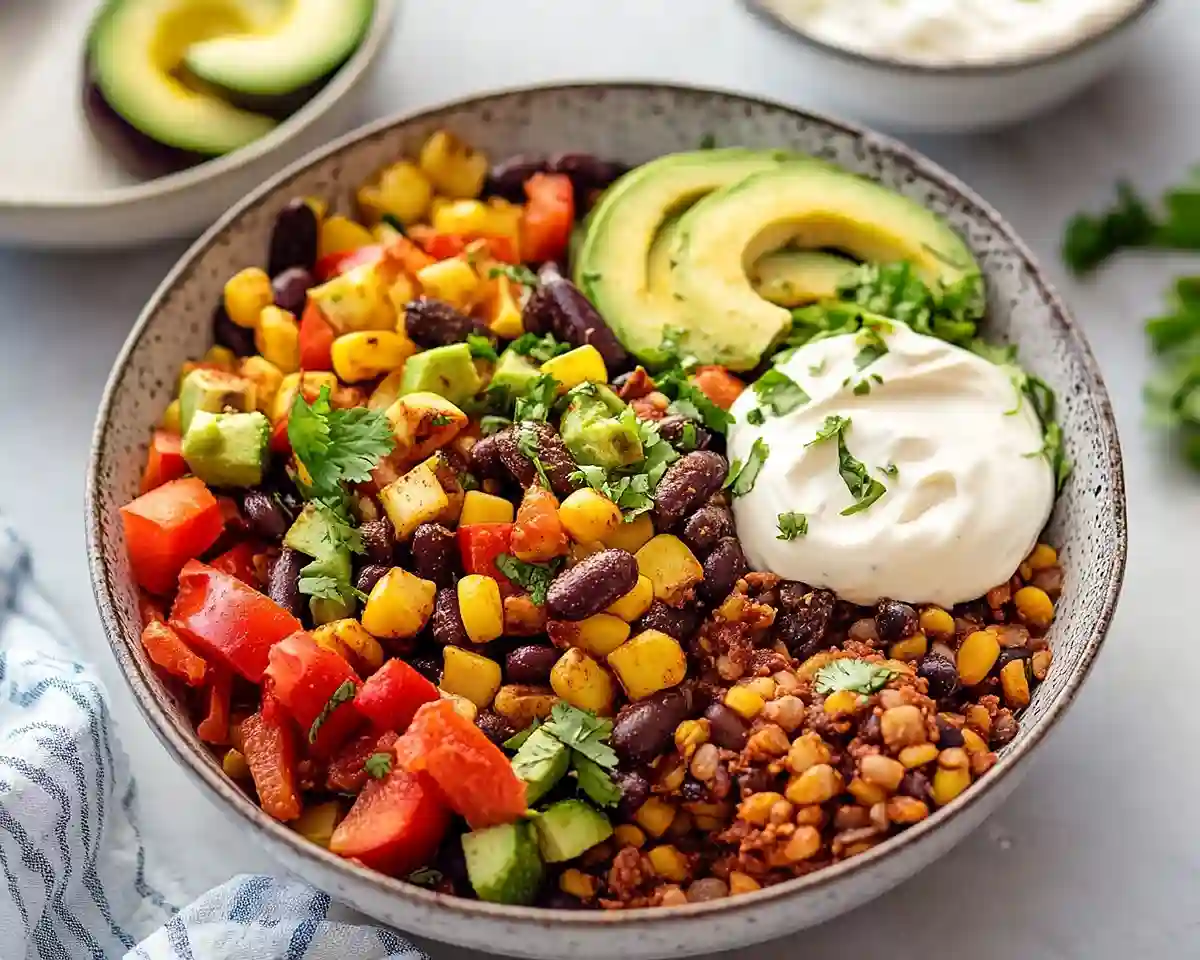
Learn how to make a Mexican Buddha bowl with fajita veg that’s perfect for meal prep and weeknight dinners. Fresh, filling, and bursting with vibrant flavors your whole family will love.
There’s something incredibly satisfying about assembling a Mexican buddha bowl with fajita veg where every component shines on its own, yet comes together in perfect harmony. I remember the first time I layered these colorful ingredients—charred peppers, lime-cilantro quinoa, spiced beans—and realized I’d created something that felt almost too beautiful to eat, but too delicious to resist.
Well, if you’ve been searching for a Mexican veggie bowl that actually feels like a celebration rather than a “diet meal,” this is it. You know those bowls you see on Instagram that look impossible to recreate at home? This one isn’t, I promise. It comes together in under 45 minutes, requires just a few simple tools, and tastes even better when you make it ahead for Sunday meal prep.
What makes this veggie fajita bowl truly special is how it transforms humble vegetables into something restaurant-worthy through the magic of proper seasoning, charring, and intentional assembly. I’ve served this at countless family gatherings—especially around Cinco de Mayo when everyone’s craving something festive—and it disappears faster than anything else on the table.
Table of Contents
Ingredients
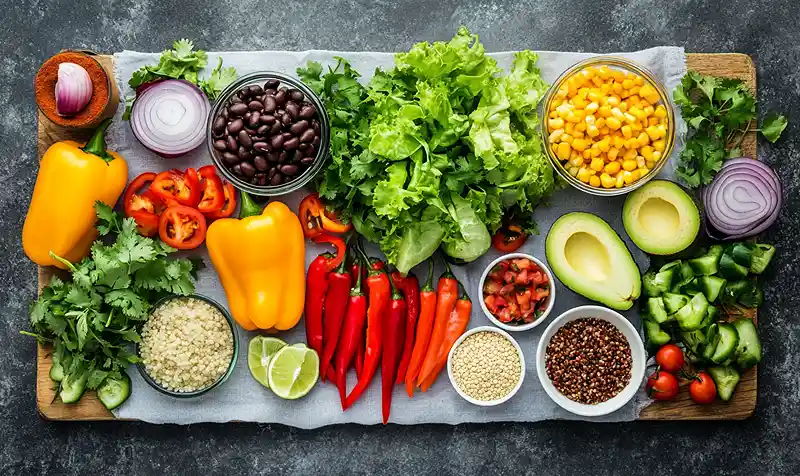
For the Fajita Veg
| Item | Amount |
|---|---|
| Bell peppers, thickly sliced | 2 medium |
| Red onions, thickly sliced | 2 medium |
| Smoked paprika | 2 teaspoons |
| Hot paprika | 1 teaspoon |
| Cooking oil | 1 teaspoon |
| Salt and pepper | To taste |
For the Coriander & Lime Quinoa
| Item | Amount |
|---|---|
| Quinoa, rinsed | 200g (about 1 cup) |
| Water | 310ml (about 1¼ cups) |
| Fresh cilantro, chopped | 15g (roughly ¼ cup) |
| Lime, juiced | 1 lime |
| Salt and pepper | To taste |
For the Beans & Corn
| Item | Amount |
|---|---|
| Garlic cloves, sliced | 5 cloves |
| Red chilli pepper, chopped | 1 pepper |
| Canned sweetcorn, drained | 350g (about 1½ cups) |
| Canned black beans, drained & rinsed | 400g (about 1¾ cups) |
| Ground cumin | 2 teaspoons |
| Smoked paprika | 1 teaspoon |
| Salt and pepper | To taste |
| Cooking oil | A small drizzle |
For Assembly
| Item | Amount |
|---|---|
| Fresh lettuce (any variety) | 2 cups |
| Avocado | 1-2 ripe |
| Pico de gallo | ½ cup (store-bought or homemade) |
Instructions
Step 1: Prepare the oven and roast the fajita vegetables
Preheat your oven to 400°F (200°C, or 180°C for fan ovens). On a large sheet pan or roasting dish, toss the thickly sliced bell peppers and red onions with both smoked and hot paprika, a pinch of salt and pepper, and just a light drizzle of oil. Spread everything in a single layer and slide it into the oven for 20 minutes, watching as the edges char and turn golden-brown, developing deep caramelized flavor.
The vegetables should be tender but still hold their shape, with those beautiful charred spots that make them taste smoky and complex.
Step 2: Cook the coriander and lime quinoa
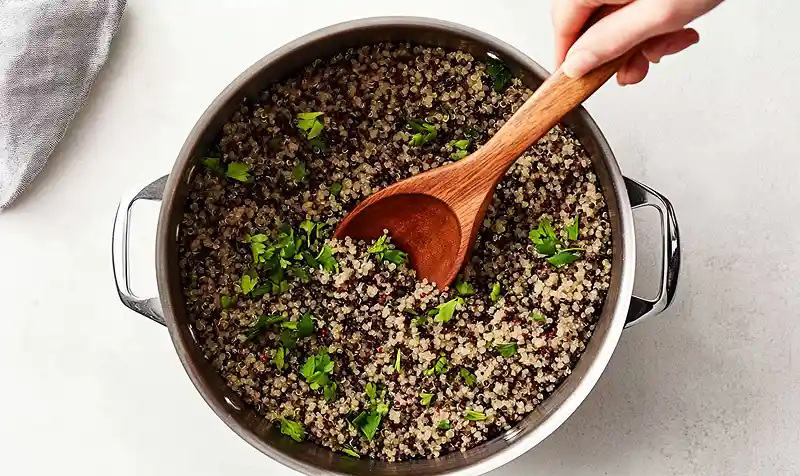
While your vegetables roast, rinse your quinoa under cool water to remove any bitter coating. Add it to a medium saucepan with the water and bring to a boil, then reduce the heat and simmer with a partial lid for about 20 minutes, or until all the liquid absorbs and the quinoa becomes fluffy and tender. The tiny spirals will transform into something as light and fluffy as freshly whipped clouds.
Step 3: Build the seasoned beans and corn mixture
In a large pan over medium heat, warm a small drizzle of oil and add the sliced garlic and chopped red chilli. Let them fry gently for 3 minutes until fragrant and just starting to soften, releasing all their aromatic oils. Add the drained corn, black beans, cumin, smoked paprika, salt, and pepper, stirring everything together.
Increase the heat slightly and cook for another 3 minutes, stirring occasionally, until any excess liquid evaporates and the mixture becomes thick, concentrated, and coated in those warm spices.
Step 4: Finish the quinoa with lime and cilantro
Once your quinoa has cooled slightly, stir through the fresh lime juice and chopped cilantro, then taste and adjust the seasoning with additional salt and pepper as needed. The brightness of the lime and herbaceous cilantro will transform plain quinoa into something truly special, adding freshness and depth.
Step 5: Assemble your Mexican veggie bowls
Start with a base of fresh lettuce in each bowl—this creates a sturdy foundation and adds another layer of freshness. Top with a generous portion of the lime-cilantro quinoa, then add the charred fajita vegetables, the spiced beans and corn mixture, and a vibrant scoop of pico de gallo.
Finish each bowl with sliced fresh avocado arranged on top, letting it catch the light and add that creamy richness everything needs. Serve immediately while the warm components are still steaming.
Substitutions For Mexican Veggie Bowl
Making it with different grains instead of quinoa
Brown rice, farro, or wild rice work beautifully in place of quinoa for this Mexican buddha bowl with fajita veg. Simply cook your grain of choice according to package directions, then toss with lime juice and cilantro just before assembling. Each grain brings its own texture—rice is fluffy, farro is chewy, wild rice is nutty—so choose based on your preference.
Swapping vegetables in the fajita mix
If you don’t have both bell peppers and red onions, try zucchini, yellow squash, or even thick-sliced mushrooms for that vegetable fajita bowl experience. Broccoli florets or Brussels sprouts also char beautifully when tossed with paprika and oil, offering a heartier option. The key is using vegetables with enough substance to withstand roasting without falling apart.
Using dried beans instead of canned
You can absolutely use cooked dried black beans (about 1¾ cups cooked) instead of canned for a more budget-friendly Mexican veggie bowl. If cooking from scratch, soak the beans overnight, then simmer until tender—this takes about an hour but yields superior flavor and texture. Just make sure to drain them well before seasoning so the mixture doesn’t become watery.
Making it vegan or dairy-conscious
This veggie fajita bowl is already naturally plant-based! If you’d like to add protein and richness, try crumbled tofu, crispy chickpeas, or a dollop of Greek yogurt instead of avocado. A scatter of pepitas (pumpkin seeds) also adds satisfying crunch and extra nutrients.
Adjusting the heat level
Love spice? Double the hot paprika or add an extra red chilli pepper to the beans and corn mixture. Prefer milder flavors? Simply reduce the paprika amounts and remove the seeds from the chilli before chopping so you get the flavor without the fierce heat.
For more inspiration on building colorful, nutritious meals, explore our guide to complete protein-building salad techniques that work with plant-based ingredients.
Troubleshooting Your Mexican Veggie Bowl
My roasted vegetables came out watery or didn’t char
This usually means either the pan was crowded (preventing proper airflow) or the heat wasn’t high enough. Try spreading vegetables in a single layer with space between pieces, and make sure your oven is fully preheated. Higher heat and better airflow create those beautiful caramelized, charred edges.
The quinoa turned mushy or stuck together
This happens when there’s too much water or when you stir it too frequently during cooking. Use the exact water measurement provided, don’t peek under the lid constantly, and only fluff it with a fork once after cooking is complete. Store-bought quinoa sometimes has leftover debris, so always rinse it first.
My beans and corn mixture is too soupy
This means you need to let it cook down longer over higher heat to evaporate the excess liquid from the canned ingredients. Keep the pan uncovered and stir occasionally—it should take 5-7 minutes total to reach a thick, clingy consistency where all the flavors concentrate.
The fajita vegetables are still too firm or not charred enough
Check your oven temperature with an oven thermometer—ovens can be inaccurate. You might also need to extend cooking time by 5 minutes if your vegetables are cut particularly thick. The key is achieving a balance between tender interiors and golden, charred exteriors.
Storage & Make-Ahead Tips
Storage
Store each component separately in airtight containers in the refrigerator for up to 4 days: the roasted vegetables, cooked quinoa, beans and corn mixture, and fresh toppings like avocado and pico de gallo. When you’re ready to eat, simply warm the components you prefer and assemble fresh. This keeps everything tasting bright and vibrant rather than becoming mushy or soggy.
Meal Prep Strategy
This Mexican buddha bowl with fajita veg is absolutely perfect for Sunday meal prep. Cook all the components at the beginning of the week, then portion them into separate containers so you can mix and match throughout the week based on your mood. Assemble only when you’re ready to eat—the fresh lettuce and avocado really shine when added right before serving.
Serving Suggestions & Pairings
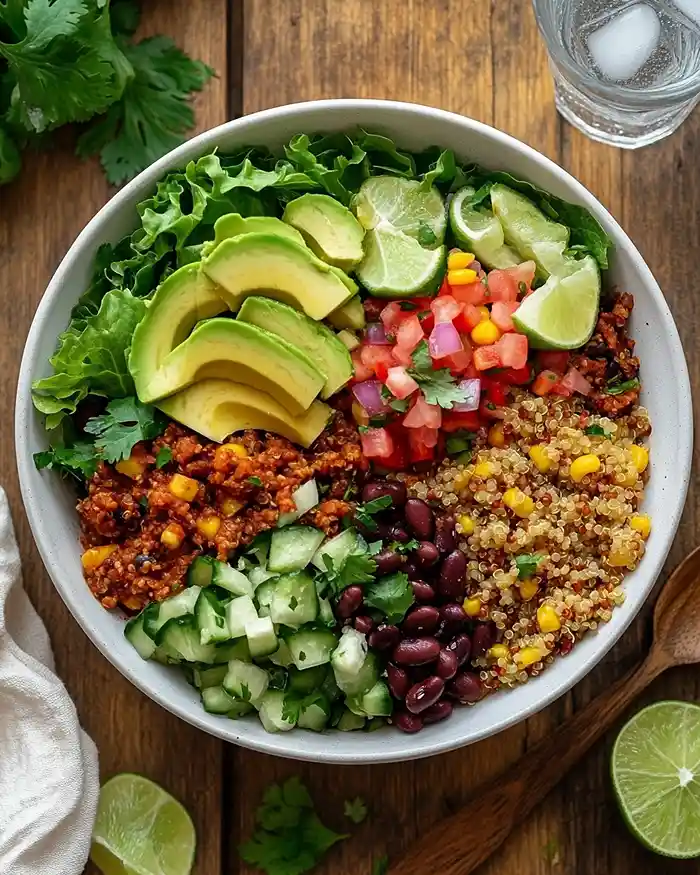
Serve this veggie fajita bowl on its own as a complete, satisfying lunch or dinner, or pair it alongside warm tortillas for a DIY wraparound experience. A crisp lime agua fresca, sparkling hibiscus drink, or cold Mexican lager complements the warm spices beautifully without overwhelming the fresh flavors.
For entertaining, set up a bowl-building station where guests can customize their own Mexican buddha bowl with fajita veg by choosing their base, grains, vegetables, and toppings. This interactive approach makes the meal fun and ensures everyone gets exactly what they want.
Variations & Dietary Adjustments
Adding protein for a heartier meal
Well, if you’re looking to make this even more filling, top your Mexican veggie bowl with seasoned black bean patties, crispy tofu cubes, or even grilled tempeh for substantial plant-based protein. A poached or fried egg also adds richness and nutrition.
Kid-friendly adaptation
Remove the raw chilli from the beans and corn mixture, reduce the paprika amounts, and let kids assemble their own bowls so they feel ownership over what they’re eating. Most children love the colorful components and the interactive nature of a build-your-own-bowl dinner.
Make it a grain-free Buddha bowl
You know, cauliflower rice works beautifully as a lighter quinoa substitute if you’re avoiding grains entirely. Cook it separately with the same lime juice and cilantro treatment, and nobody will miss the traditional grain base.
FAQs About Mexican Buddha Bowl with Fajita Veg
Can I make the Mexican buddha bowl with fajita veg ahead of time completely assembled?
The components will keep separately for up to 4 days, but I’d avoid fully assembling it more than a few hours ahead since the lettuce will wilt and the avocado will brown. Instead, keep everything in separate containers and assemble when you’re ready to eat—it takes just 5 minutes.
How can I make this veggie fajita bowl more authentic to Mexican cuisine?
Try using Mexican oregano instead of (or in addition to) cilantro, add cotija cheese for a traditional cheese component, and make homemade pico de gallo with fresh tomatoes, onion, and cilantro. Serving with warm corn tortillas and lime wedges on the side brings extra authenticity.
What’s the best way to reheat the roasted fajita vegetables without drying them out?
Why not reheat them gently in a covered pan on the stovetop over medium-low heat for just a few minutes, stirring occasionally? This prevents them from drying out the way the microwave sometimes does, and they’ll taste nearly as good as fresh.
Can I use frozen corn and beans instead of canned?
Absolutely! Frozen vegetables work equally well—just thaw them first and drain any excess liquid before adding to the seasoned pan. Frozen corn and beans are often fresher-tasting and have less sodium than canned versions, so they’re a wonderful option if you have them on hand.
Is this Mexican veggie bowl actually filling enough for a complete meal?
Yes—the combination of protein-rich beans, whole grains from quinoa, healthy fats from avocado, and plenty of vegetables creates a truly satisfying, balanced meal. If you have a particularly hearty appetite, consider doubling the bean and corn portion or adding a protein source like crumbled tofu.
What’s the best type of lettuce to use for the base?
Romaine, butter lettuce, or even mixed greens all work wonderfully—choose whatever you prefer and have available. Hearty lettuces like romaine hold up better to the weight of toppings and stay crisp longer than delicate varieties like arugula.
Kitchen Tips & Final Thoughts
The secret to making this Mexican buddha bowl with fajita veg feel effortless is understanding that each component stands beautifully on its own. You can cook the vegetables one day, prepare the quinoa another day, and still assemble a delicious meal. This flexibility is what makes it so perfect for real life—the life where not everything happens on Sunday afternoon.
I always keep canned beans, frozen corn, and quinoa in my pantry because this veggie fajita bowl comes together so quickly once you understand the basic formula. The formula is simple: a fresh base, a hearty grain, roasted vegetables, seasoned legumes, and bright toppings. Once you master this Mexican version, you can apply it to countless other flavor profiles and never eat a boring lunch again.
The beauty of a Mexican veggie bowl is that it’s genuinely nourishing without ever feeling restrictive or “healthy” in a boring way. It’s the kind of meal you crave, that satisfies completely, and that you genuinely look forward to eating. That’s when you know you’ve created something worth adding to your regular rotation.
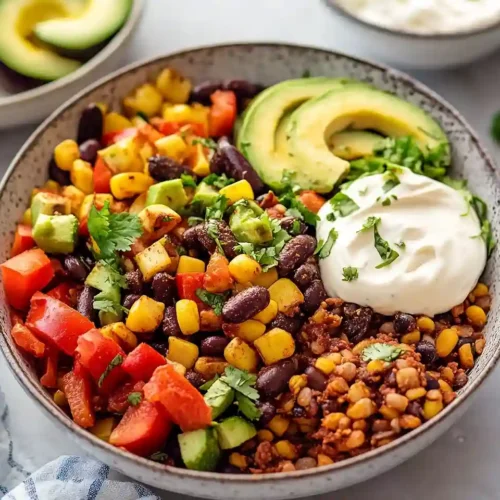
Mexican Buddha Bowl with Fajita Veg Recipe
Equipment
- Large sheet pan or roasting dish
- Medium saucepan with lid
- Large skillet or pan
- Cutting board
- Sharp knife
- Wooden spoon or spatula
- Fork for fluffing quinoa
Ingredients
For the Fajita Veg
- 2 medium Bell peppers, thickly sliced
- 2 medium Red onions, thickly sliced
- 2 teaspoons Smoked paprika
- 1 teaspoon Hot paprika
- 1 teaspoon Cooking oil
- to taste Salt and pepper
For the Coriander & Lime Quinoa
- 200 grams Quinoa, rinsed about 1 cup
- 310 ml Water about 1¼ cups
- 15 grams Fresh cilantro, chopped roughly ¼ cup
- 1 Lime, juiced
- to taste Salt and pepper
For the Beans & Corn
- 5 cloves Garlic cloves, sliced
- 1 Red chilli pepper, chopped
- 350 grams Canned sweetcorn, drained about 1½ cups
- 400 grams Canned black beans, drained & rinsed about 1¾ cups
- 2 teaspoons Ground cumin
- 1 teaspoon Smoked paprika
- to taste Salt and pepper
- a small drizzle Cooking oil
For Assembly
- 2 cups Fresh lettuce any variety
- 1-2 Avocado, ripe
- ½ cup Pico de gallo store-bought or homemade
Instructions
- Preheat your oven to 400°F (200°C, or 180°C for fan ovens). On a large sheet pan or roasting dish, toss the thickly sliced bell peppers and red onions with both smoked and hot paprika, a pinch of salt and pepper, and just a light drizzle of oil. Spread everything in a single layer and slide it into the oven for 20 minutes, watching as the edges char and turn golden-brown, developing deep caramelized flavor. The vegetables should be tender but still hold their shape, with those beautiful charred spots that make them taste smoky and complex.
- While your vegetables roast, rinse your quinoa under cool water to remove any bitter coating. Add it to a medium saucepan with the water and bring to a boil, then reduce the heat and simmer with a partial lid for about 20 minutes, or until all the liquid absorbs and the quinoa becomes fluffy and tender. The tiny spirals will transform into something as light and fluffy as freshly whipped clouds. Once cooked, fluff it with a fork and set aside.
- In a large pan over medium heat, warm a small drizzle of oil and add the sliced garlic and chopped red chilli. Let them fry gently for 3 minutes until fragrant and just starting to soften, releasing all their aromatic oils. Add the drained corn, black beans, cumin, smoked paprika, salt, and pepper, stirring everything together. Increase the heat slightly and cook for another 3 minutes, stirring occasionally, until any excess liquid evaporates and the mixture becomes thick, concentrated, and coated in those warm spices.
- Once your quinoa has cooled slightly, stir through the fresh lime juice and chopped cilantro, then taste and adjust the seasoning with additional salt and pepper as needed. The brightness of the lime and herbaceous cilantro will transform plain quinoa into something truly special, adding freshness and depth.
- Start with a base of fresh lettuce in each bowl—this creates a sturdy foundation and adds another layer of freshness. Top with a generous portion of the lime-cilantro quinoa, then add the charred fajita vegetables, the spiced beans and corn mixture, and a vibrant scoop of pico de gallo. Finish each bowl with sliced fresh avocado arranged on top, letting it catch the light and add that creamy richness everything needs. Serve immediately while the warm components are still steaming.