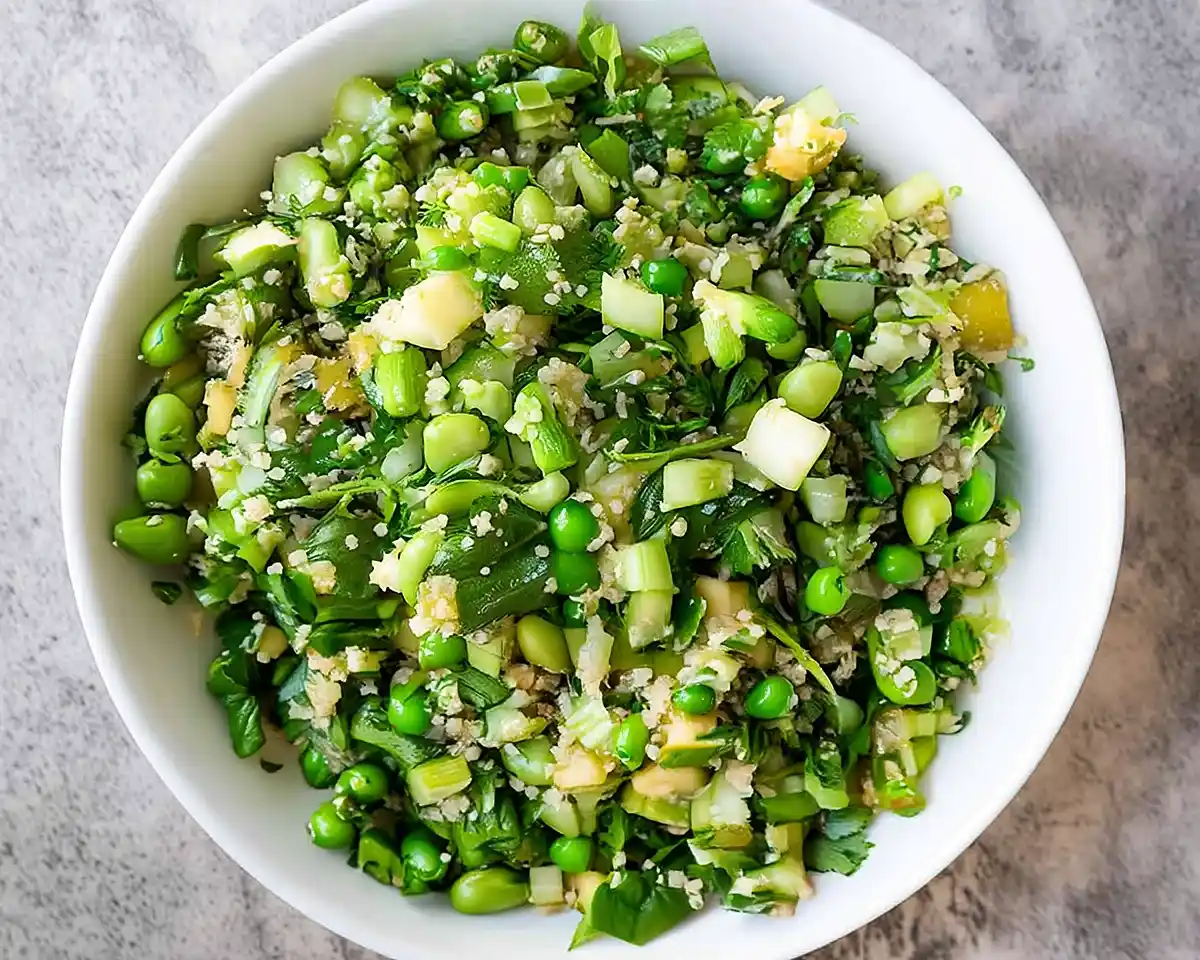
Salad with Asian Dressing (High Protein)
This Salad with Asian Dressing is packed with quinoa, edamame, and vibrant veggies—a fresh, protein-rich meal prep win for busy weeknights and summer gatherings.
Last Fourth of July, I brought this Salad with Asian Dressing (High Protein) to my sister’s backyard cookout, and it disappeared faster than the sparklers. I’m talking about a bowl piled high with crisp cucumber, emerald edamame, fluffy quinoa, and a tangy-sweet dressing that made everyone ask for the recipe. Well, here’s the thing: you don’t need a fancy occasion to enjoy this vibrant, nourishing bowl.
This High Protein Side Salad is what I reach for when I want something fresh, filling, and ridiculously easy to throw together. Each bite delivers that satisfying crunch—as crisp as freshly fallen snow—alongside earthy quinoa and creamy edamame. You know those days when you need a meal that feels light but keeps you full for hours? This is it.
Whether you’re meal-prepping for the week or serving a crowd, this Healthy Plant-based Protein Recipes masterpiece checks every box. It’s colorful, packed with nutrients, and comes together in minutes. Ready to dig in?
Table of Contents
Salad with Asian Dressing (High Protein)
Equipment
- Medium bowl
- Whisk
- Large serving bowl
- Mason jars (16-ounce or 32-ounce)
- Knife
- Cutting board
Ingredients
For the Asian Dressing
- ¼ cup tamari or soy sauce preferably low sodium
- ¼ cup plus 1 tablespoon rice vinegar
- 1 tablespoon plus 1 teaspoon maple syrup
- 1 tablespoon toasted sesame oil or sesame oil
For the Quinoa Salad
- 2 cups cucumber chopped, about 1 large
- 2 cups celery chopped, about 6 ribs
- 2 cups sweet green peas frozen, thawed
- 2 cups shelled edamame frozen, thawed
- 2 cups cooked quinoa ⅔ cups dry, cooked
- 2 cups baby spinach chopped
- ½ cup cilantro chopped
- ½ cup scallion chopped
- 2 tablespoons plus 2 teaspoons toasted sesame seeds
Optional for Serving
- fresh lime juice to taste
Instructions
- Whisk the tamari, rice vinegar, maple syrup, and toasted sesame oil together in a medium bowl until the mixture is smooth and glossy. The aroma is incredible—sweet, tangy, and slightly nutty from the sesame. You’ll notice the dressing thickens just a touch as the ingredients emulsify.
- For Meal-Prep Salad Jars: To make 4 (16-ounce) mason jars, add one-fourth of the dressing to the bottom of each jar first—this keeps everything crisp. Then layer in ½ cup cucumber, ½ cup celery, ½ cup green peas, ½ cup edamame, ½ cup quinoa, ½ cup spinach, 2 tablespoons cilantro, 2 tablespoons scallion, and 2 teaspoons sesame seeds. Seal tightly and refrigerate for up to 4 days, then shake before serving and add a squeeze of fresh lime juice.
- Or make 2 (32-ounce) jars and double the ingredients for a high protein side salad that serves as a more satisfying main dish. The layered colors—deep green spinach, pale jade edamame, sunny quinoa—look like edible art through the glass.
- For Immediate Serving: Transfer the cucumber, celery, green peas, edamame, quinoa, spinach, cilantro, scallion, and sesame seeds to a large serving bowl. Drizzle the dressing over the top and toss everything together until each vegetable glistens. The sesame seeds add a delicate crunch, and the quinoa soaks up all that tangy-sweet flavor.
Notes
Salad with Asian Dressing Ingredients

| For the Asian Dressing: |
|---|
| ¼ cup tamari or soy sauce (preferably low sodium) |
| ¼ cup plus 1 tablespoon rice vinegar |
| 1 tablespoon plus 1 teaspoon maple syrup |
| 1 tablespoon toasted sesame oil or sesame oil |
| For the Quinoa Salad: |
|---|
| 2 cups chopped cucumber (about 1 large) |
| 2 cups chopped celery (about 6 ribs) |
| 2 cups sweet green peas (frozen, thawed) |
| 2 cups shelled edamame (frozen, thawed) |
| 2 cups cooked quinoa (⅔ cups dry, cooked) |
| 2 cups baby spinach, chopped |
| ½ cup chopped cilantro |
| ½ cup chopped scallion |
| 2 tablespoons plus 2 teaspoons toasted sesame seeds |
| Optional for Serving: |
|---|
| Fresh lime juice to taste |
Instructions
Make the dressing: Whisk the tamari, rice vinegar, maple syrup, and toasted sesame oil together in a medium bowl until the mixture is smooth and glossy. The aroma is incredible—sweet, tangy, and slightly nutty from the sesame. You’ll notice the dressing thickens just a touch as the ingredients emulsify.
Option 1 (For Meal-Prep Salad Jars): To make 4 (16-ounce) mason jars, add one-fourth of the dressing to the bottom of each jar first—this keeps everything crisp. Then layer in ½ cup cucumber, ½ cup celery, ½ cup green peas, ½ cup edamame, ½ cup quinoa, ½ cup spinach, 2 tablespoons cilantro, 2 tablespoons scallion, and 2 teaspoons sesame seeds. Seal tightly and refrigerate for up to 4 days, then shake before serving and add a squeeze of fresh lime juice.
Or make 2 (32-ounce) jars and double the ingredients for a High Protein Side Salad that serves as a more satisfying main dish. The layered colors—deep green spinach, pale jade edamame, sunny quinoa—look like edible art through the glass.
Option 2: Transfer the cucumber, celery, green peas, edamame, quinoa, spinach, cilantro, scallion, and sesame seeds to a large serving bowl. Drizzle the dressing over the top and toss everything together until each vegetable glistens. The sesame seeds add a delicate crunch, and the quinoa soaks up all that tangy-sweet flavor.

Substitutions
Swap tamari for coconut aminos if you’re looking for a soy-free version of this Asian Dense Bean Salad. Coconut aminos bring a slightly sweeter, milder taste that pairs beautifully with the rice vinegar and sesame. Just know the final dressing will be a bit less salty, so taste and adjust as needed.
Use honey or agave instead of maple syrup for the touch of sweetness in the dressing. Honey adds a floral note, while agave keeps it vegan and neutral. Either option balances the tangy rice vinegar perfectly.
Replace quinoa with cooked brown rice, farro, or even cauliflower rice to suit your texture preference or dietary needs. Brown rice makes the Vegan Salads With Protein heartier, while cauliflower rice keeps it ultra-light. Both absorb the dressing beautifully and keep that protein punch when paired with edamame.
Try chickpeas or white beans instead of edamame if you want a different legume twist. Chickpeas bring a firmer bite, and white beans add creaminess that melts into the dressing. Both are budget-friendly and just as protein-packed.
Troubleshooting
Salad turns watery after a day or two? This usually happens when cucumbers and celery release moisture over time. To prevent this, pat your chopped veggies dry with a clean kitchen towel before assembling. You can also seed your cucumbers to reduce excess liquid.
Dressing tastes too salty? Balance it out by adding an extra teaspoon of maple syrup or a splash more rice vinegar. If you’re using regular soy sauce instead of low-sodium tamari, the salt content is naturally higher. A squeeze of fresh lime juice at the end also brightens and mellows the saltiness.
Greens wilting in your meal-prep jars? Always layer the dressing at the bottom and keep delicate greens like spinach toward the top, away from moisture. The sturdy veggies—cucumber, celery, edamame—act as a protective barrier. This simple trick keeps your Healthy Plant-based Protein Recipes crisp all week.
Storage and Meal Prep
Store your assembled Salad with Asian Dressing (High Protein) in an airtight container or mason jars in the refrigerator for up to 4 days. If you’re making a big batch, keep the dressing separate and toss it with the salad just before serving to maintain maximum crunch. The quinoa and edamame hold up beautifully, and the flavors actually deepen as they marinate.
For meal prep, the mason jar method is pure magic. Layer dressing first, then hearty veggies, grains, and delicate greens on top—everything stays fresh and vibrant. When you’re ready to eat, just shake the jar and dump it into a bowl. It’s like having a restaurant-quality High Protein Side Salad waiting for you every single day.
Serving Suggestions
Serve this Asian Dense Bean Salad as a light lunch on its own, or pair it with simple salad dressing tutorials for even more flavor variety. It’s also fantastic alongside grilled chicken, seared tofu, or a warm bowl of miso soup. The bright, tangy dressing complements richer proteins beautifully.
For a more substantial meal, try it with our herbed roasted potato salad or alongside the Asian chicken crunch salad for a stunning spread. Add a sprinkle of extra sesame seeds, a handful of crispy wonton strips, or a drizzle of sriracha mayo if you’re craving a little heat. Fresh lime wedges on the side are always a good idea.

Variations
Kid-Friendly Version: Swap the cilantro for extra scallions or leave it out entirely if your little ones aren’t fans. You can also mix in shredded carrots or diced bell peppers for extra sweetness and color. Kids love the mini “treasure hunt” of finding edamame and peas in their bowls.
Dairy-Free and Gluten-Free: This Vegan Salads With Protein recipe is naturally dairy-free and easily gluten-free when you use tamari instead of soy sauce. Double-check that your sesame oil and rice vinegar are certified gluten-free if you’re serving someone with celiac disease. The recipe already ticks so many dietary boxes without compromising on flavor.
Spicy Twist: Whisk a teaspoon of sriracha or chili garlic sauce into the dressing for a fiery kick. Or toss in some thinly sliced jalapeños with the veggies. The heat plays beautifully against the sweet maple syrup and tangy vinegar.
Protein Boost: Add grilled shrimp, diced baked tofu, or shredded rotisserie chicken to turn this High Protein Side Salad into a hearty main course. You know, sometimes you just need that extra oomph to power through a busy afternoon. Each addition brings its own texture and keeps the salad interesting.
Salad with Asian Dressing (High Protein) FAQs
Can I make the dressing ahead of time?
Absolutely. Whisk up the dressing and store it in a sealed jar in the fridge for up to a week. Give it a good shake before using, as the sesame oil may separate slightly. It actually tastes even better after the flavors meld overnight.
How do I cook quinoa for this salad?
Rinse ⅔ cup dry quinoa under cold water, then combine it with 1 ⅓ cups water in a small pot. Bring to a boil, reduce to a simmer, cover, and cook for about 15 minutes until the water is absorbed. Fluff with a fork and let it cool before adding to your Salad with Asian Dressing (High Protein).
What’s the best way to thaw frozen edamame and peas?
Place them in a colander and run cool water over them for a minute or two, or let them sit at room temperature for about 30 minutes. Pat them dry with a towel to remove excess moisture. Fresh or frozen both work beautifully in this Healthy Plant-based Protein Recipes bowl.
Why does my dressing taste bland?
Low-sodium tamari can sometimes need a flavor boost. Add a pinch of sea salt, an extra drizzle of sesame oil, or a touch more maple syrup to balance the sweet and salty notes. According to research on umami flavors, tamari naturally enhances savory depth—but don’t be shy about adjusting to your taste.
Can I use regular spinach instead of baby spinach?
Yes, just chop it into bite-sized pieces. Baby spinach is more tender and doesn’t need much prep, but mature spinach works just as well once it’s chopped. Either way, you’re getting a nutritious green base for your Asian Dense Bean Salad.

This Salad with Asian Dressing (High Protein) is the kind of recipe that earns a permanent spot in your weekly rotation. It’s fresh, satisfying, and endlessly adaptable—perfect for meal prep, potlucks, or those nights when you just want something nourishing without the fuss. Enjoy every crisp, colorful bite!