Turkish Chickpea Salad
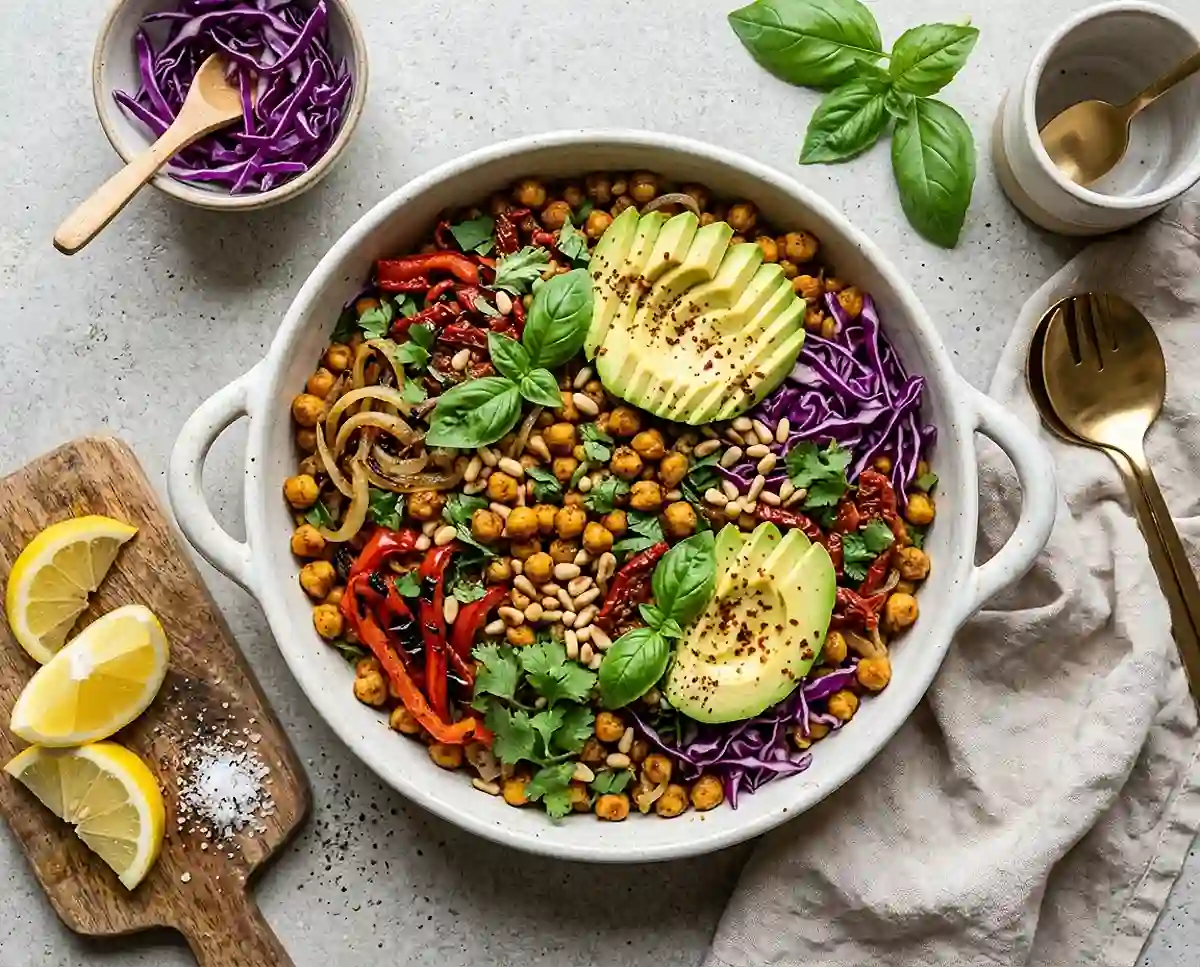
This Turkish Chickpea Salad features spiced chickpeas, fresh vegetables, and bright lemon. Perfect for salads recipes lunch, hot days, and easy meal prep!
The first time I made a Turkish Chickpea Salad, I was honestly just trying to use up a lonely can of chickpeas and some wilting red cabbage before they went to waste. What happened instead was one of those happy kitchen accidents — the kind where you take a bite, stop mid-chew, and think, “Wait, I actually made this?”
The warm spices hit first, smoky and golden, followed by the crunch of red pepper, the tang of lemon juice, and this gorgeous herbaceous wave of cilantro and basil that made the whole bowl feel alive.
Well… I’ve made this salad at least a dozen times since then, including a massive batch for our Thanksgiving appetizer spread last November that completely stole the show from the cranberry sauce. It’s one of those food ideas for hot days that works just as beautifully served warm on a chilly evening — truly a year-round favorite.
Whether you’re building a collection of salads recipes lunch options or searching for your next Turkish chickpea obsession, this recipe meets you wherever you are. It’s naturally vegan, packed with plant protein, and comes together in about twenty minutes with ingredients you probably already have on hand.
According to Harvard’s research on the nutritional benefits of legumes, chickpeas are an excellent source of fiber, protein, and essential minerals — so every forkful of this salad is genuinely doing something wonderful for your body.
Table of Contents
Ingredients
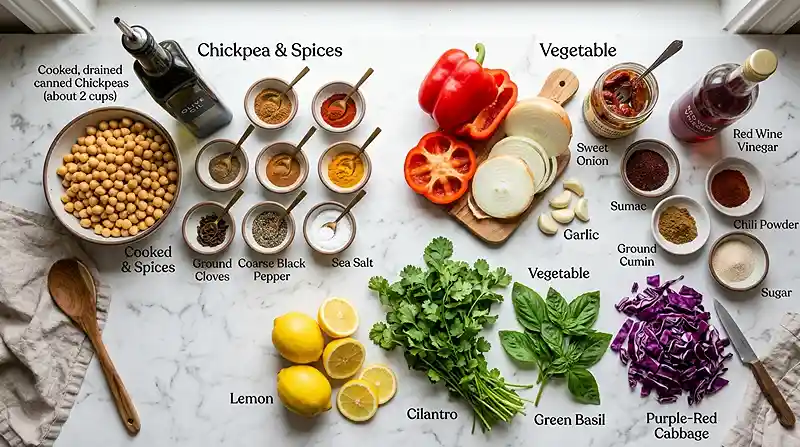
For the Chickpeas
| Ingredient | Amount | Notes |
|---|---|---|
| Olive oil | 4 tbsp, divided | 2 tbsp for chickpeas, 2 tbsp for vegetables |
| Chickpeas, cooked | 15 oz (1 can) | Drained and rinsed well |
| Garam masala | 1 tsp | The warm backbone of the spice blend |
| Smoked paprika | 1 tsp | Adds gorgeous color and smokiness |
| Ground cinnamon | ½ tsp | A subtle, unexpected warmth |
| Salt | ½ tsp | Adjust to taste |
| Turmeric | ¼ tsp | Golden color and earthy depth |
| Ground cloves | ¼ tsp | A tiny bit goes a long way |
| Black pepper | ¼ tsp | More or less to your preference |
For the Vegetables
| Ingredient | Amount | Notes |
|---|---|---|
| Sweet onion, thinly sliced | 1 | Vidalia or any mild sweet variety |
| Garlic cloves, minced | 4 | Freshly minced for best aroma |
| Red bell pepper, thinly sliced | 1 | Crisp, sweet, and colorful |
| Sun-dried tomatoes in oil, finely chopped | 2 tbsp | Adds concentrated umami depth |
| Sumac | 1 tbsp | Tangy, citrusy, and beautifully crimson |
| Salt | ½ tsp | Adjust after tasting |
| Red wine vinegar | 1 tbsp | Brightens everything up |
| Chili powder | ½ tsp | Gentle heat |
| Cumin | ½ tsp | Earthy, warm, essential |
| Vegan sugar | ½ tsp | Optional; balances acidity |
| Red cabbage, chopped | 1 cup | Adds stunning purple crunch |
| Fresh cilantro, chopped | 1 cup | Substitute parsley if preferred |
| Fresh basil leaves, chopped | 5–6 leaves | Bright and aromatic |
| Fresh lemon juice | 2 tbsp | Always freshly squeezed |
Instructions
Step 1: Toast the Spiced Chickpeas
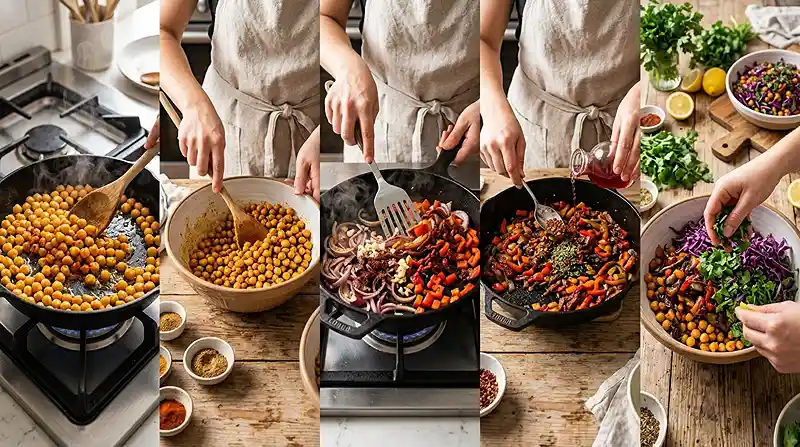
Heat two tablespoons of olive oil in a large skillet over medium heat until the oil shimmers and just begins to ripple. Add the drained chickpeas and stir to coat them evenly in the warm oil for about one minute — you’ll hear a gentle sizzle as the moisture on the surface meets the heat.
Sprinkle in the garam masala, smoked paprika, cinnamon, salt, turmeric, ground cloves, and black pepper. Cook for five minutes, stirring occasionally, until the chickpeas turn a deep, burnished red-gold and the spices release an aroma as warm and inviting as walking into a spice market on a cool morning. Scrape the chickpeas and every bit of those fragrant spices from the pan into a large mixing bowl and set aside.
Step 2: Sauté the Onions, Garlic, and Peppers
Return the same skillet to medium heat and add the remaining two tablespoons of olive oil. Drop in the thinly sliced sweet onion and minced garlic, stirring frequently for three to four minutes until the onions soften and turn translucent and the garlic becomes deeply fragrant without browning.
Add the sliced red bell pepper, finely chopped sun-dried tomatoes, one tablespoon of sumac, and half a teaspoon of salt. Stir everything together and cook for another two minutes — the peppers should still have a bit of snap, and the sumac will tint the vegetables with a gorgeous dusty-rose hue. The kitchen will smell absolutely incredible at this point, layers of smokiness, tang, and sweetness all swirling together.
Step 3: Combine and Finish the Turkish Chickpea Salad
Remove the skillet from the heat and let the vegetable mixture cool for a couple of minutes — just enough that it’s warm rather than searing hot. Stir in the red wine vinegar, chili powder, cumin, and optional sugar directly into the skillet, mixing well so the residual heat helps the spices bloom one final time.
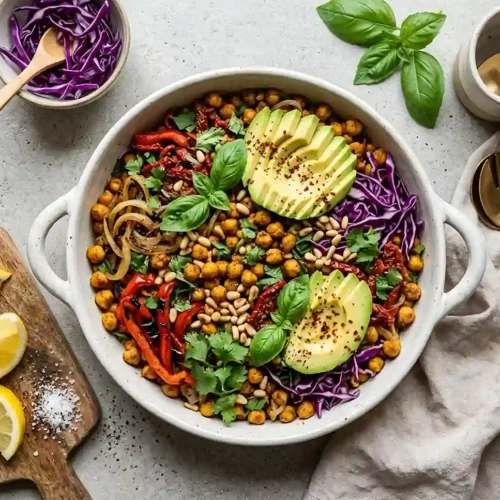
Pour the seasoned vegetables over the chickpeas in the large bowl. Add the chopped red cabbage, cilantro, basil leaves, and fresh lemon juice, then toss everything together until the colors and textures are beautifully distributed — every scoop should have a little bit of gold, red, purple, and green. This Turkish Chickpea Salad is wonderful served warm right now, or you can let it chill in the refrigerator for an hour and enjoy it cold as one of the best food ideas for hot days you’ll find all summer.
Substitutions
Chickpea alternatives: If you prefer a different legume, white cannellini beans or butter beans absorb the Turkish spice blend beautifully and create a creamier, more delicate texture. Lentils — especially French green lentils — also work wonderfully and hold their shape through the cooking process, keeping this salads recipes lunch option hearty and satisfying.
Sumac swap: Sumac has a uniquely tangy, lemony flavor that’s hard to perfectly replicate, but a combination of lemon zest and a tiny pinch of red wine vinegar comes reasonably close. If you’re exploring Turkish chickpea cooking for the first time and can’t find sumac at your local store, most Middle Eastern grocery shops carry it, or you can order it online — it’s worth having in your spice drawer.
Herb alternatives: Cilantro is polarizing — some people adore it, and others find it tastes like soap, which is actually genetic. Flat-leaf parsley is the most natural substitute and brings a similarly fresh, green brightness without any of that soapy quality. You could also use a mix of parsley and fresh mint for a slightly different herbal character that’s equally delicious.
Oil options: Extra virgin olive oil gives this Turkish Chickpea Salad its richest flavor, but avocado oil is a wonderful neutral alternative if you prefer something lighter. For anyone watching their oil intake, you can reduce the amount to one tablespoon per step and add a splash of vegetable broth to help the chickpeas and vegetables cook without sticking.
Heat adjustments: If you love spice, bump the chili powder up to a full teaspoon and add a pinch of cayenne or a few dashes of your favorite hot sauce after cooking. For a milder version that’s perfect for family dinners, simply reduce or eliminate the chili powder and black pepper — the garam masala, cinnamon, and sumac provide plenty of warm complexity on their own.
Troubleshooting
Chickpeas aren’t crispy enough: Make sure your chickpeas are thoroughly drained and patted dry before they hit the oil — excess moisture creates steam instead of that gorgeous toasted exterior. Keep the heat at medium and resist the urge to stir constantly; letting them sit for thirty-second intervals helps them develop color and texture.
Spices taste raw or gritty: Ground spices need a few minutes of direct heat to release their essential oils and develop depth — this process is called blooming. If your Turkish Chickpea Salad tastes flat or powdery, the spices likely didn’t cook long enough with the chickpeas. The full five minutes of stirring and toasting makes a noticeable difference in the final flavor.
Salad is too sour or acidic: Between the sumac, red wine vinegar, and lemon juice, this recipe has several acid sources that can occasionally tip the balance. Reduce the lemon juice to one tablespoon if you prefer a mellower tang, and include the optional half teaspoon of sugar to smooth out the edges. Taste and adjust after combining everything — a pinch of extra salt also helps round out excess acidity.
Red cabbage bleeding color into everything: Red cabbage naturally releases a purple pigment when it sits in acidic dressings, which can tint lighter ingredients. This is purely cosmetic and doesn’t affect flavor at all, but if you prefer a cleaner look, fold the cabbage in just before serving rather than during the initial mixing step. For salads recipes lunch prep, keeping the cabbage in a separate container is the simplest solution.
Vegetables are too soft: The peppers and onions should retain some bite even after cooking — they’re sautéed, not braised. Keep the total cook time to no more than five or six minutes for the vegetable step, and pull the skillet off the heat while the peppers still have a visible crunch. That textural contrast between tender chickpeas and snappy vegetables is what makes this bowl so satisfying.
Storage
Store leftover Turkish Chickpea Salad in an airtight container in the refrigerator for up to four days — the flavors actually marry and intensify beautifully as they sit, making day-two leftovers arguably the best bite. The herbs may darken slightly over time, so if you want to refresh the color, scatter a small handful of fresh cilantro or basil over the top before serving. Keep it well sealed to prevent the spices from absorbing other fridge odors.
Meal Prep
This recipe is perfectly built for batch cooking — the entire bowl comes together in about twenty minutes and portions into four generous servings that are ready to grab from the fridge all week. It’s one of the most reliable food ideas for hot days when you want a filling lunch without touching the stove again.
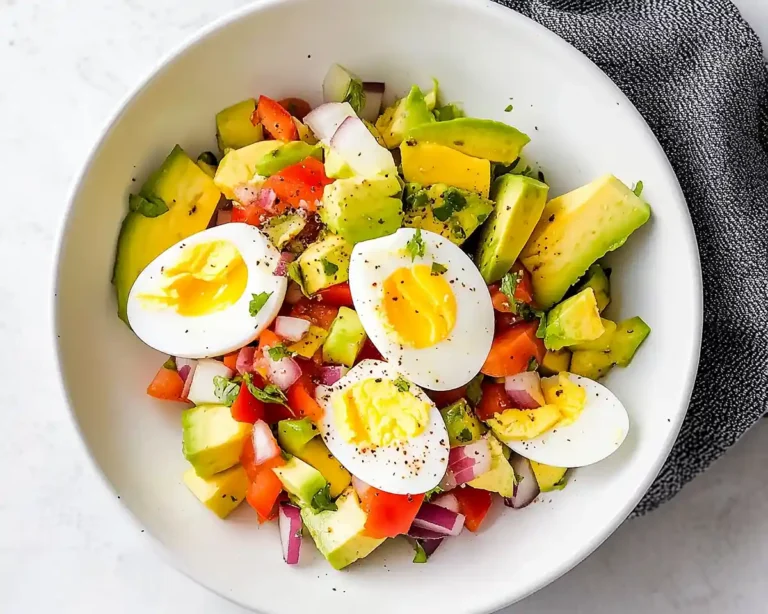
Store the salad in individual containers with tight lids, and consider keeping the fresh herbs and lemon juice separate to add right before eating for the brightest possible flavor. If you enjoy having several options prepped and ready, our classic egg salad with timeless flavors is another protein-rich lunch that complements this Turkish chickpea bowl beautifully in a weekly rotation.
Serving Suggestions
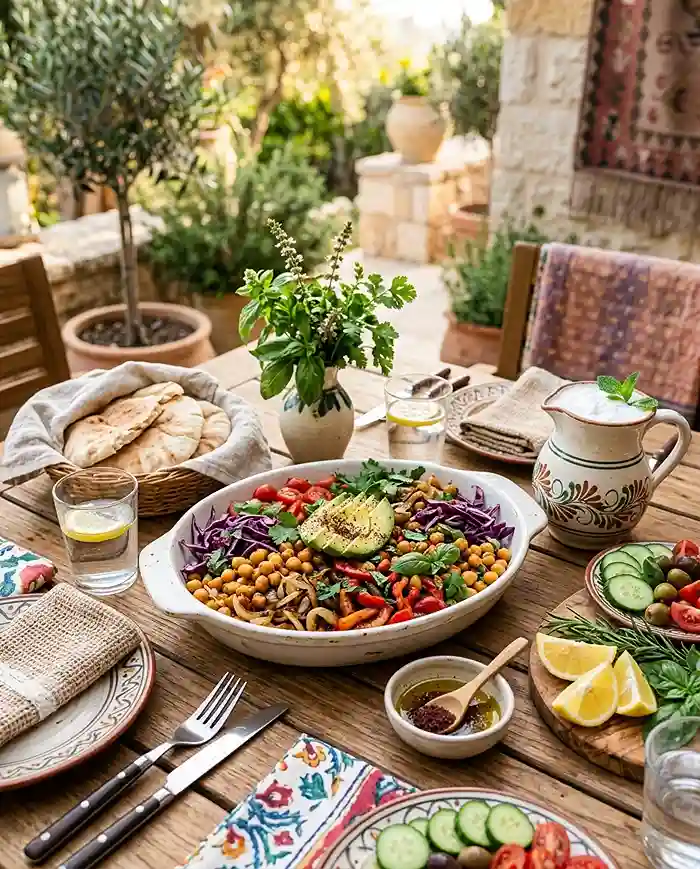
Serve this Turkish Chickpea Salad over a bed of fluffy couscous, warm rice, or tucked inside a soft pita pocket with a drizzle of tahini for a truly satisfying meal. It pairs gorgeously alongside grilled lamb, roasted chicken thighs, or a simple piece of seared fish — the smoky, warm spices in the chickpeas create a natural bridge to charred proteins.
For a lighter approach, scoop it over crisp romaine leaves or mixed greens to add a fresh, cool contrast against the warm-spiced vegetables. If you’re hosting a casual dinner or putting together a mezze-style spread, set this bowl out alongside hummus, warm flatbread, marinated olives, and a cucumber yogurt dip — it becomes the vibrant centerpiece of an effortless spread that feels far more impressive than the effort involved.
Variations
Mediterranean grain bowl: Spoon the spiced chickpeas and vegetables over a base of cooked farro, bulgur wheat, or quinoa for a heartier version that doubles as a complete lunch. Add a handful of crumbled feta and a few Kalamata olives on top, and you’ve transformed this Turkish Chickpea Salad into a filling grain bowl that’s perfect for salads recipes lunch prep.
Roasted root vegetable version: Oh my, this autumn twist is incredible — swap the red pepper for cubed roasted sweet potato and butternut squash, roast them with the same spice blend, and toss everything together with the chickpeas. The natural sweetness of the root vegetables against the smoky paprika and tangy sumac creates layers of flavor that feel like a warm hug on a cool October evening.
Extra-green power bowl: Double the herbs and add two generous handfuls of baby spinach or arugula, tossing them in while the vegetables are still slightly warm so they wilt just barely. This version leans into a lighter, more salad-forward Turkish chickpea experience that’s loaded with greens and still packed with all those gorgeous spices.
Spicy harissa kick: Stir one to two tablespoons of harissa paste into the vegetables during the sauté step for a smoky, fiery North African twist that takes this bowl to a completely different level. Goodness, the first time I tried this version I actually fanned my mouth and went back for another bite immediately — the heat is addictive, and a cool dollop of coconut yogurt on top balances everything perfectly.
Kid-friendly mild version: Scale back the spices to just smoked paprika, a pinch of cinnamon, and a tiny bit of cumin — skip the chili powder, cloves, and black pepper entirely. Serve the chickpeas alongside the raw vegetables instead of mixed together, and let little hands pick and choose what they want on their plate. Most kids enjoy chickpeas when they’re golden and lightly spiced, and this approach makes the whole meal feel approachable rather than overwhelming.
FAQs About Turkish Chickpea Salad
Can I use dried chickpeas instead of canned for this Turkish Chickpea Salad?
Absolutely — soak dried chickpeas overnight, then simmer them until tender before draining and using them exactly as you would canned. Dried chickpeas often have a slightly firmer, more satisfying texture after cooking, and they absorb the spice blend even more deeply. Just plan ahead since the soaking and cooking adds several hours to your prep time.
How do I make this salad ahead for a party or gathering?
Prepare the full recipe up to twenty-four hours in advance and store it covered in the refrigerator — the flavors will deepen and meld beautifully overnight. Hold back the fresh basil, a bit of cilantro, and the lemon juice, then add those right before serving to keep everything bright and vibrant. This make-ahead quality is one reason it’s such a standout among food ideas for hot days and summer entertaining.
What makes sumac essential in Turkish chickpea recipes?
Sumac is a deep crimson spice with a tart, almost lemony flavor that’s fundamental to Turkish and Middle Eastern cooking. It adds a tangy brightness that balances the warm, heavy spices like garam masala and cinnamon without the liquid that lemon juice introduces. Isn’t it fascinating how a single spice can completely shift the character of an entire dish?
Why do the chickpeas need to cook for a full five minutes with the spices?
That time allows the ground spices to bloom in the hot oil, releasing their essential oils and transforming from dusty, raw-tasting powders into deep, fragrant layers of flavor. Rushing this step is the most common reason homemade spiced chickpeas taste flat or one-dimensional. Patience here is genuinely the difference between a good bowl and an unforgettable one.
Best way to serve this as a complete weeknight dinner?
Pair it with a warm grain like couscous or rice, add a scoop of hummus and some warm pita bread on the side, and you’ve got a full, balanced meal in about twenty-five minutes. This approach turns one batch of Turkish Chickpea Salad into a satisfying dinner for four without any additional heavy cooking. For even more variety on your table, an easy egg salad sandwich for quick dinners rounds out the spread with a completely different flavor and texture.
Can I freeze leftover Turkish chickpea salad?
The chickpea and cooked vegetable base freezes reasonably well for up to two months in a sealed, freezer-safe container. However, the raw cabbage, fresh herbs, and lemon juice don’t survive freezing gracefully — they’ll wilt and lose their vibrancy once thawed. Your best approach is to freeze just the cooked components and add the fresh ingredients after reheating.
Turkish Chickpea Salad
Equipment
- Large skillet
- Large mixing bowl
- Cutting board
- Chef’s knife
Ingredients
For the Chickpeas
- 4 tbsp olive oil divided; 2 tbsp for chickpeas, 2 tbsp for vegetables
- 15 oz chickpeas, cooked drained and rinsed
- 1 tsp garam masala
- 1 tsp smoked paprika
- ½ tsp ground cinnamon
- ½ tsp salt
- ¼ tsp turmeric
- ¼ tsp ground cloves
- ¼ tsp black pepper more or less to taste
For the Vegetables
- 1 sweet onion, thinly sliced Vidalia or any mild sweet variety
- 4 cloves garlic, minced freshly minced for best aroma
- 1 red bell pepper, thinly sliced
- 2 tbsp sun-dried tomatoes in oil, finely chopped
- 1 tbsp sumac
- ½ tsp salt
- 1 tbsp red wine vinegar
- ½ tsp chili powder
- ½ tsp cumin
- ½ tsp vegan sugar optional; balances acidity
- 1 cup red cabbage, chopped
- 1 cup fresh cilantro, chopped substitute parsley if needed
- 5-6 fresh basil leaves, chopped
- 2 tbsp fresh lemon juice freshly squeezed
Instructions
- Heat 2 tablespoons of olive oil in a large skillet over medium heat. Add the chickpeas and stir to coat them evenly in the warm oil for about 1 minute.
- Add the garam masala, smoked paprika, cinnamon, salt, turmeric, ground cloves, and black pepper. Cook for 5 minutes, stirring occasionally, until the chickpeas turn a deep, burnished red-gold and the spices are fragrant. Scrape the chickpeas and all the spices from the pan into a large mixing bowl and set aside.
- Return the same skillet to medium heat and add the remaining 2 tablespoons of olive oil. Add the thinly sliced sweet onion and minced garlic. Stir frequently and cook for 3–4 minutes until the onions are slightly soft and the garlic is fragrant.
- Add the sliced red bell pepper, chopped sun-dried tomatoes, sumac, and salt. Stir together and cook for 2 minutes until the peppers are slightly tender but still have a bit of snap.
- Remove the skillet from heat and let cool slightly. Stir in the red wine vinegar, chili powder, cumin, and optional sugar directly into the skillet, mixing well.
- Add the seasoned vegetables to the chickpeas in the large bowl. Toss in the chopped red cabbage, cilantro, basil, and fresh lemon juice. Mix everything together well until the colors and textures are beautifully distributed. Serve warm or cold.